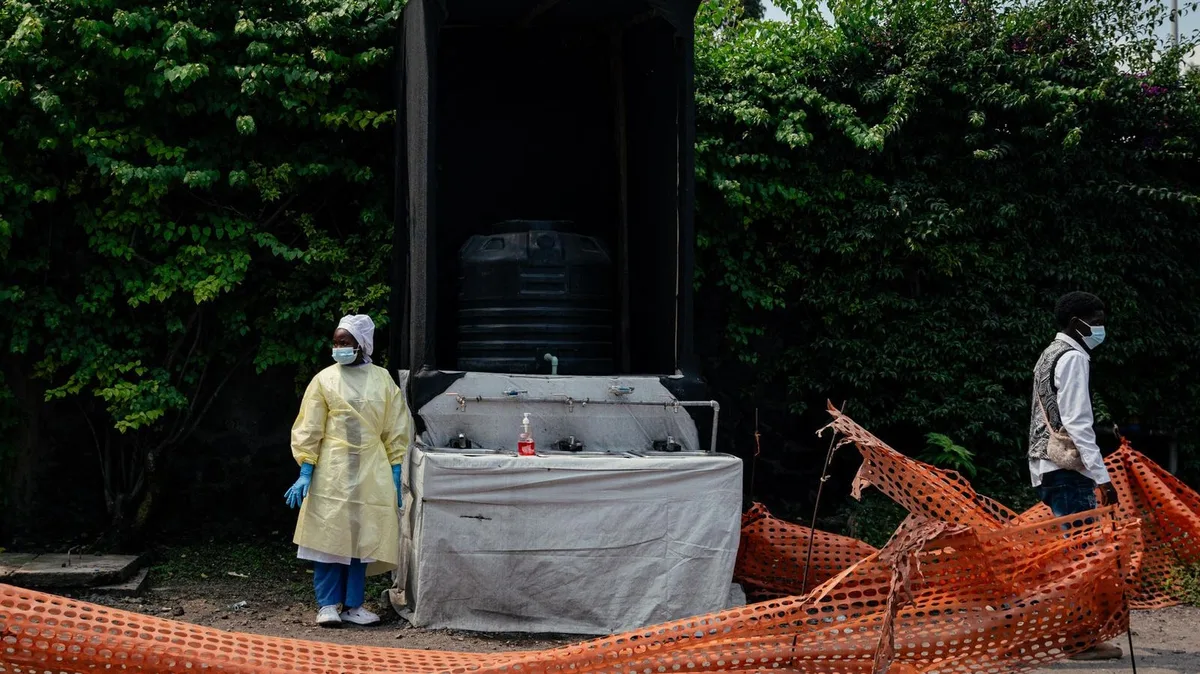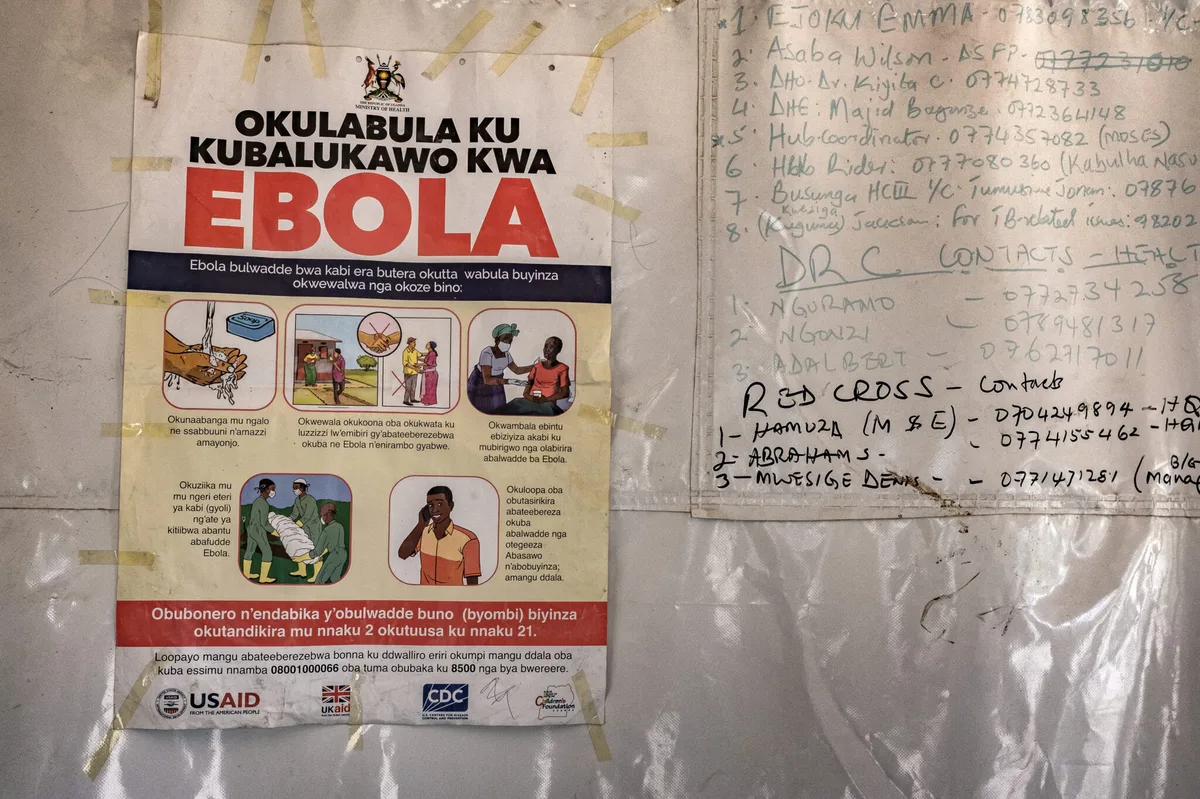
An Ebola outbreak first reported on May 15 in the Democratic Republic of the Congo has led the World Health Organization (WHO) to declare a public health emergency of international concern (PHEIC) on May 17 [1].
The outbreak is caused by the rare Bundibugyo strain of the Ebola virus, for which no clinically validated treatments or vaccines currently exist [1, 2]. As of May 17, there were 10 confirmed Ebola cases in DRC and two confirmed cases in neighboring Uganda, with multiple suspected cases in both countries [1]. The reported death toll as of that date includes 88 fatalities in DRC and one in Uganda, though some sources report more than 100 deaths overall, including 65 in the Ituri province alone [1, 2]. These figures reflect the severity of the outbreak in a region already challenged by insecurity and humanitarian issues.
WHO Director-General Tedros Adhanom Ghebreyesus highlighted factors driving the risk of spread, saying, "The ongoing insecurity, humanitarian crisis, high population mobility, the urban or semi-urban nature of the current hotspot, and the large network of informal healthcare facilities further compound the risk of spread" [1].
The Africa Centers for Disease Control and Prevention (Africa CDC) reported 395 suspected cases overall, with 246 cases centered in Ituri province, indicating a concentrated outbreak in that area [2]. This differs slightly from WHO numbers, which list 336 suspected cases in DRC [1, 2]. The 2007 Bundibugyo strain outbreak had a reported mortality rate of about 32 percent, highlighting the potential deadliness of the current spread [2].
In response, the U.S. government has imposed enhanced travel restrictions and health screenings on travelers arriving from affected countries including the Democratic Republic of the Congo, Uganda, and South Sudan [2]. Several Americans exposed to the virus are under monitoring or have been evacuated. An American doctor infected with Ebola in DRC was moved to Germany for treatment as of May 18 [2].
Efforts continue to monitor cases and prevent further spread as authorities work under difficult conditions due to political instability and the region's complex healthcare landscape. Tracking and response operations remain underway in affected areas.
The WHO emergency declaration on May 17 triggered international coordination to contain the outbreak. Monitoring and restrictions remain in place as health agencies prepare for possible further cases.