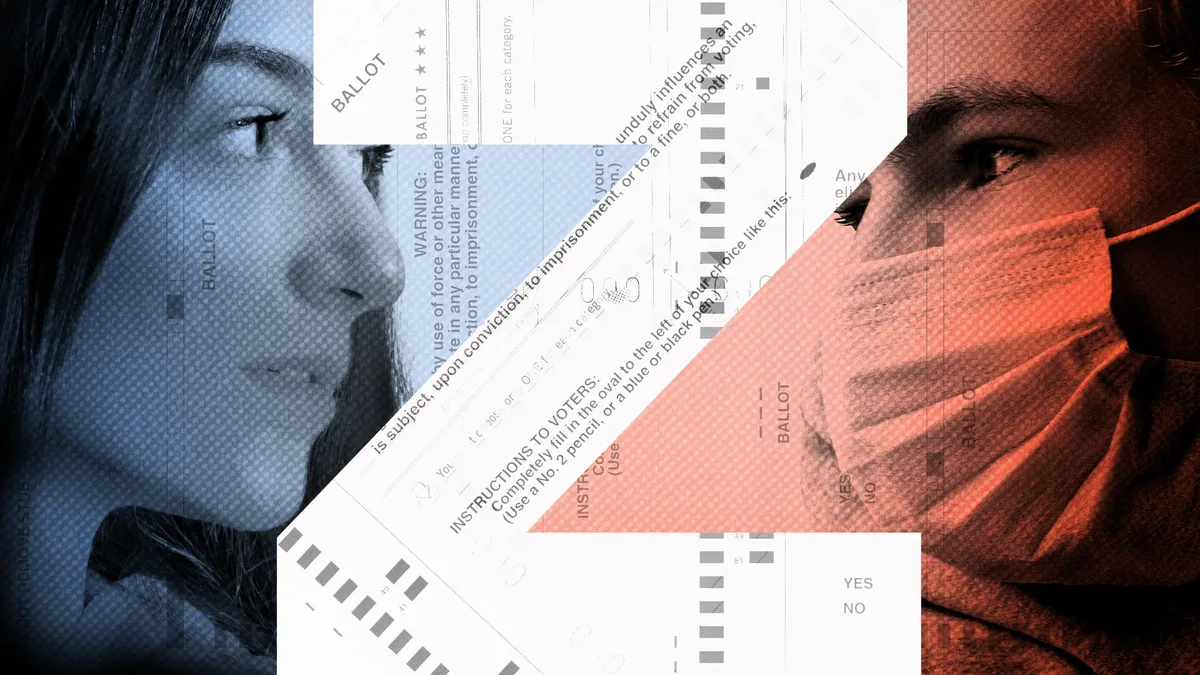
Gen Z is split into two distinct sub-generations divided by the COVID-19 pandemic, with notable political differences emerging, according to Yale's spring 2026 youth poll [1]. The first sub-generation, Gen Z 1.0, graduated high school before the pandemic and grew up without TikTok. The second, Gen Z 2.0, experienced pandemic masking, quarantines, and remote learning during their formative years [1].
The Yale poll found 52% of voters aged 18 to 22 favored Democrats in spring 2026, reversing a nearly 12-point Republican lead among the same group a year earlier [1]. This shift marks a significant change from 2024, when young men in particular swung rightward. Analysts attribute that earlier tilt to rebellion and frustration, not true conservatism, Amanda Edelman said. "Gen Z 1.0 came of age during Trump's first term and rebelled against the right. But, with 2.0, 'there has been a tremendous backlash,'" Edelman added [1].
Men aged 18–22 were the only youth demographic moving away from Democrats in the latest poll. The youthful rightward turn in 2024 reflected discontent with the status quo rather than conservative ideology, Edelman noted. The youngest voters (18–22) also have a larger undecided share at 18%, leaving room for poll numbers to shift further [1].
"No other generation in modern history had been through this once-in-a-lifetime pandemic. And, no other generation has had the core mode of communication and culture shift as quickly as ours," said Rachel Janfaza [1].
The clear partisan split between the pandemic-era sub-generations emerged by 2024. Gen Z 1.0 broadly rejected right-wing politics during their youth, while Gen Z 2.0 is trending more strongly toward Democrats after their unique pandemic experiences shaped their views [1].
The Yale youth poll is one of the most detailed snapshots of Gen Z political realignment. The growing divide between pre- and post-pandemic cohorts highlights how social upheaval and cultural shifts influence voting trends.
The next major youth poll results will be closely watched to see if the undecided voters and young men shift the balance again before the 2026 midterm elections.