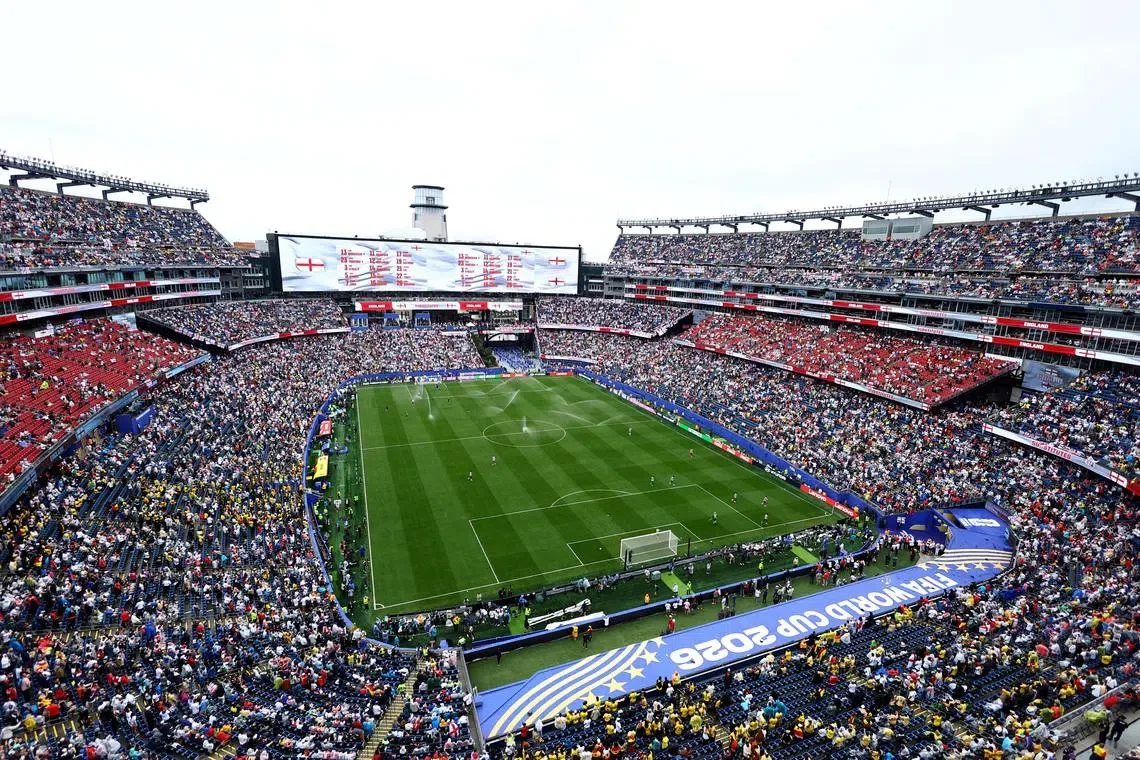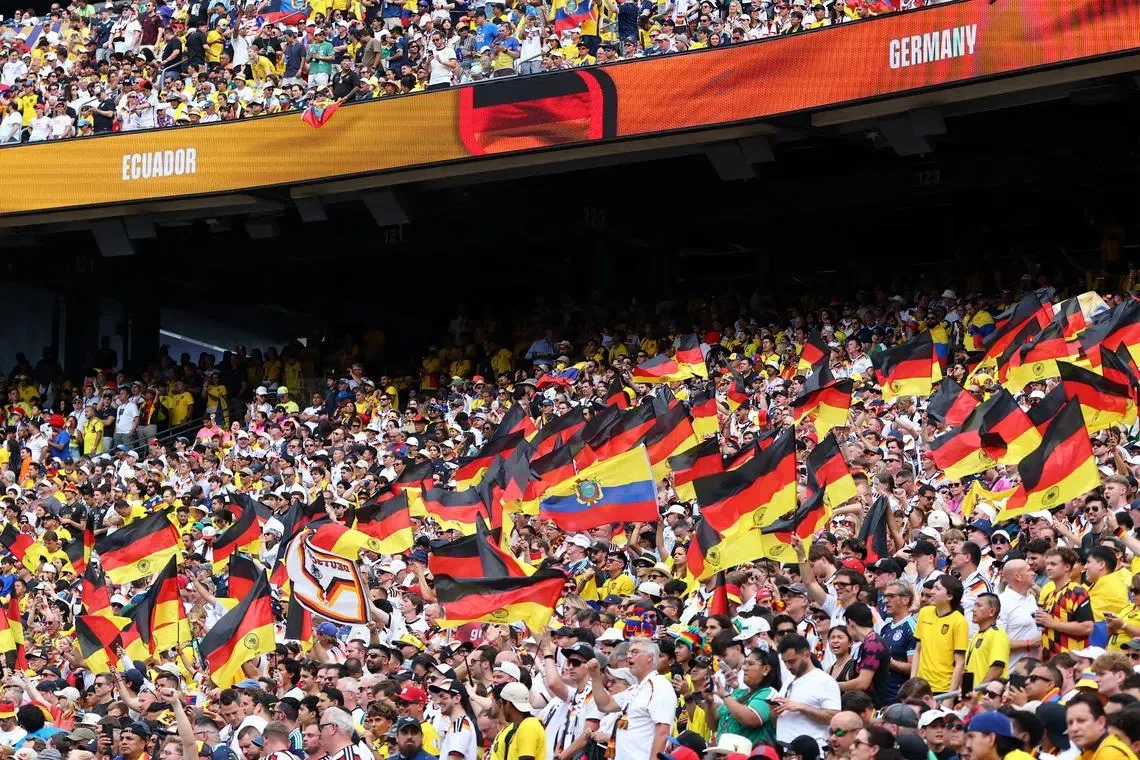
The 2026 FIFA World Cup surpassed all previous attendance records with a total of 3,605,357 spectators as of June 25, announced during the Germany vs Ecuador match [1, 2, 3, 4]. This total overwhelms the previous record set during the 1994 US-hosted World Cup, which saw roughly 3.5 to 3.6 million attendees over 52 games [5, 1, 6, 2, 3, 4, 7, 8].
This year’s tournament is the largest ever held, featuring 104 matches, compared to 64 matches in past tournaments [5, 6, 7, 8]. Despite the expanded schedule, stadiums have filled at an average occupancy rate of about 99.6 percent, one of the highest rates in World Cup history [5, 1, 6, 2, 7, 8]. Attendance after 44 matches crossed 2.85 million, with an average of 64,110 fans per game recorded after 36 matches [9, 10, 5, 11, 12, 6, 7, 8].
Experts credit strong attendance partly to Americans’ affinity for large-scale events and spectacle rather than only pure soccer fandom. Dan Rascher of the University of San Francisco said, "Americans like big events. They want to be there for the big moments" and "never want to miss out on witnessing historic big moments" [5, 1, 4]. Victor Matheson of the College of the Holy Cross added, "Part of it is that we have these gigantic stadiums," suggesting venue size supported high numbers [5]. John Grady from the University of South Carolina noted, "The American consumer is willing to pay for what they perceive to be a premium sporting event" [6].
Ticket prices reflect high demand, with last-minute tickets costing around $450 USD and resale averages near $798 USD [5, 6, 7, 8]. FIFA applied a dynamic pricing model to match market demand and optimize sales, releasing about 130,000 tickets at a lower $60 USD price point [6, 7, 8]. Despite concerns about travel restrictions under the Trump administration limiting attendance from some countries, as well as visa access, safety, and cost issues, initial skepticism about American interest proved unfounded [9, 10, 5, 1, 11, 6, 2, 4, 8].
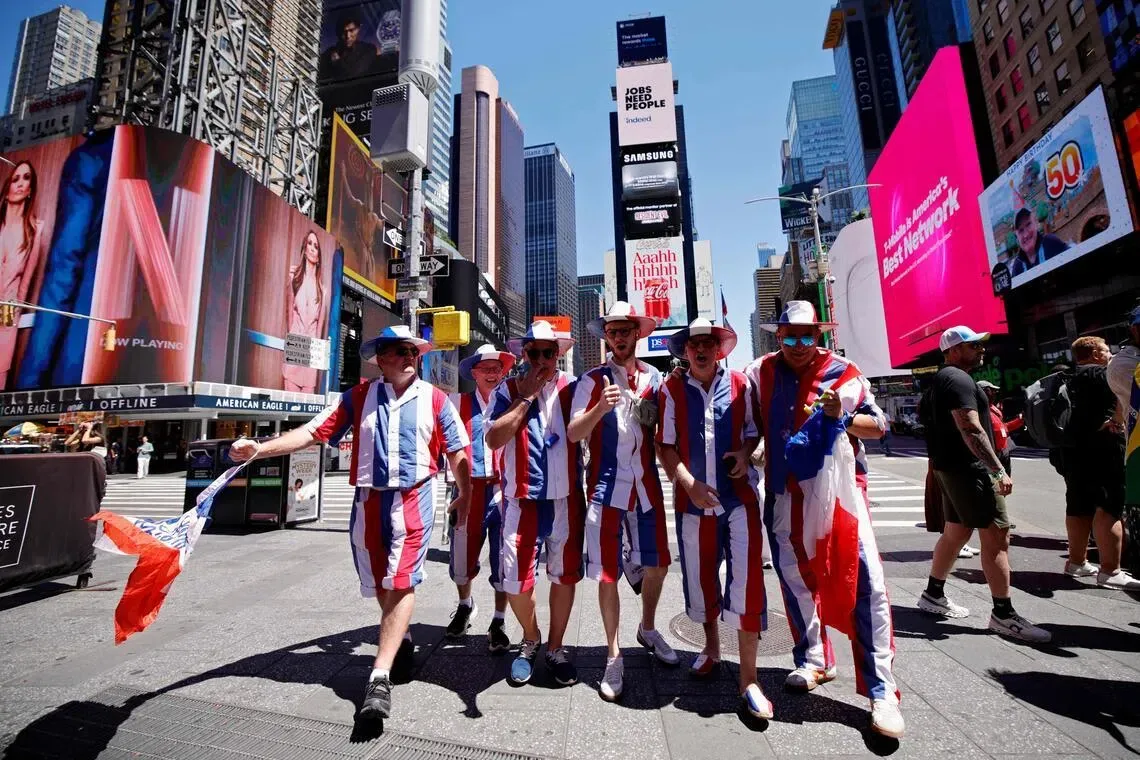
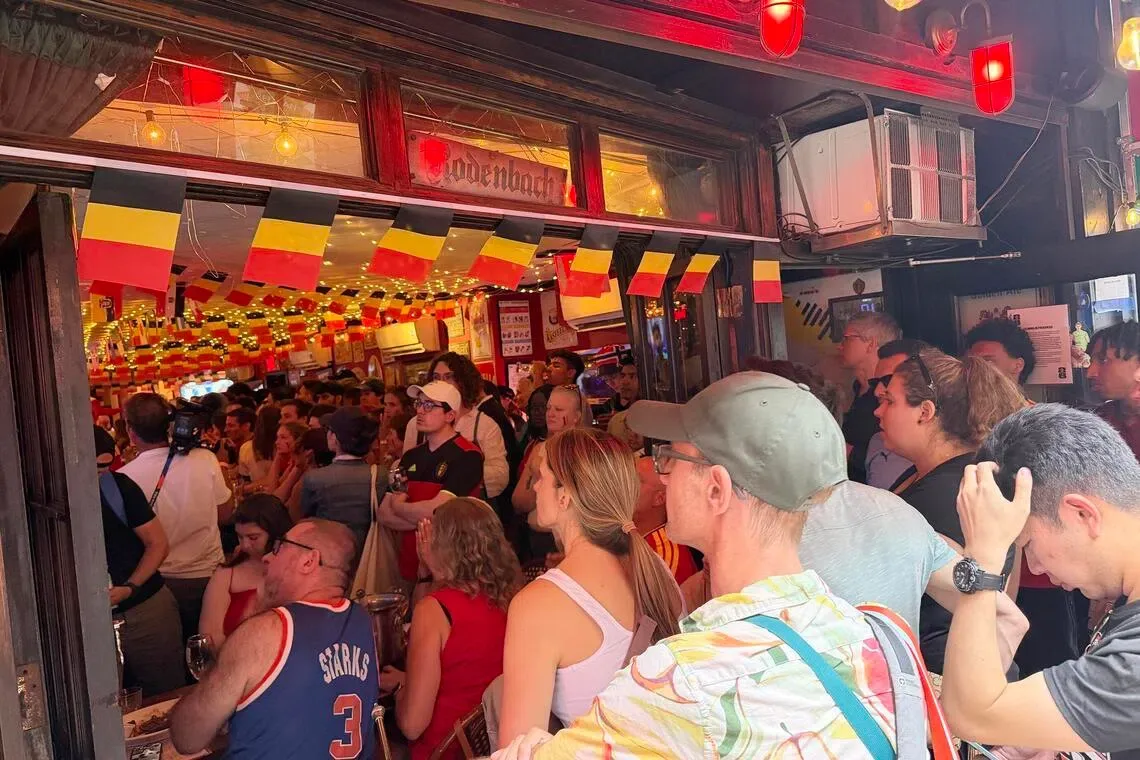
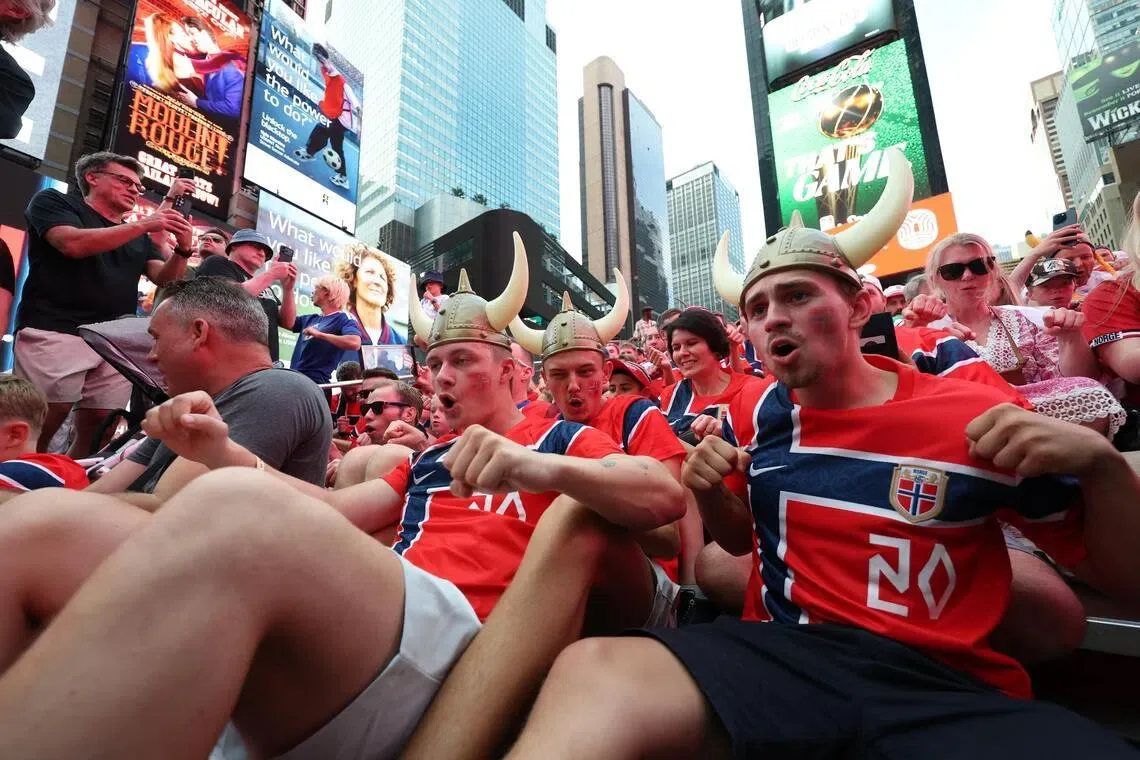
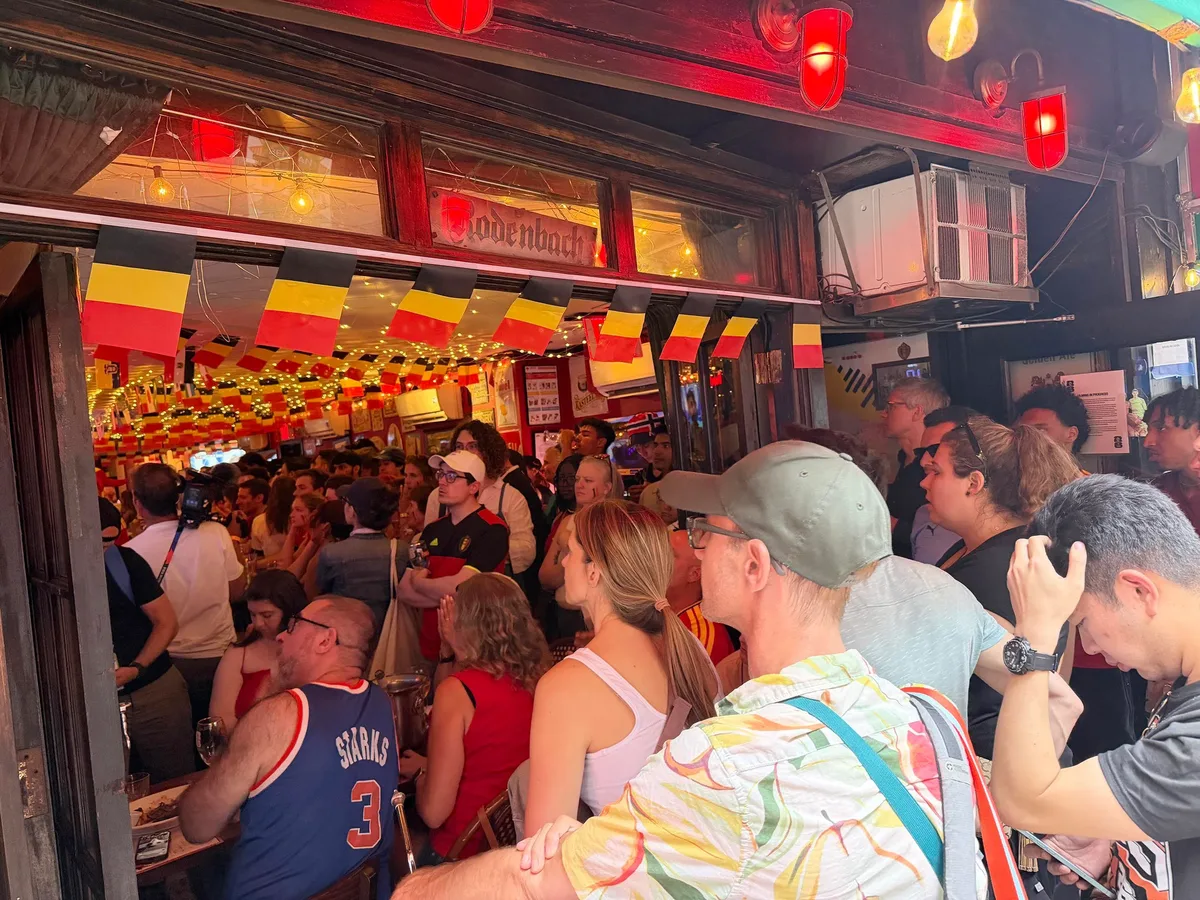
Fans have embraced the World Cup atmosphere nationwide. Public gatherings have been common in Times Square, bars, airports, and restaurants, where moments like Norway fans performing the "Viking Row" went viral [9, 10, 11, 12]. On June 21, the Belgium vs Iran match drew intense attention across US public spaces [9, 10, 11, 12].
The tournament continues through July with a packed schedule of matches across multiple US cities and co-host nations. Attendance and engagement levels remain high, setting up a historic World Cup in the United States.