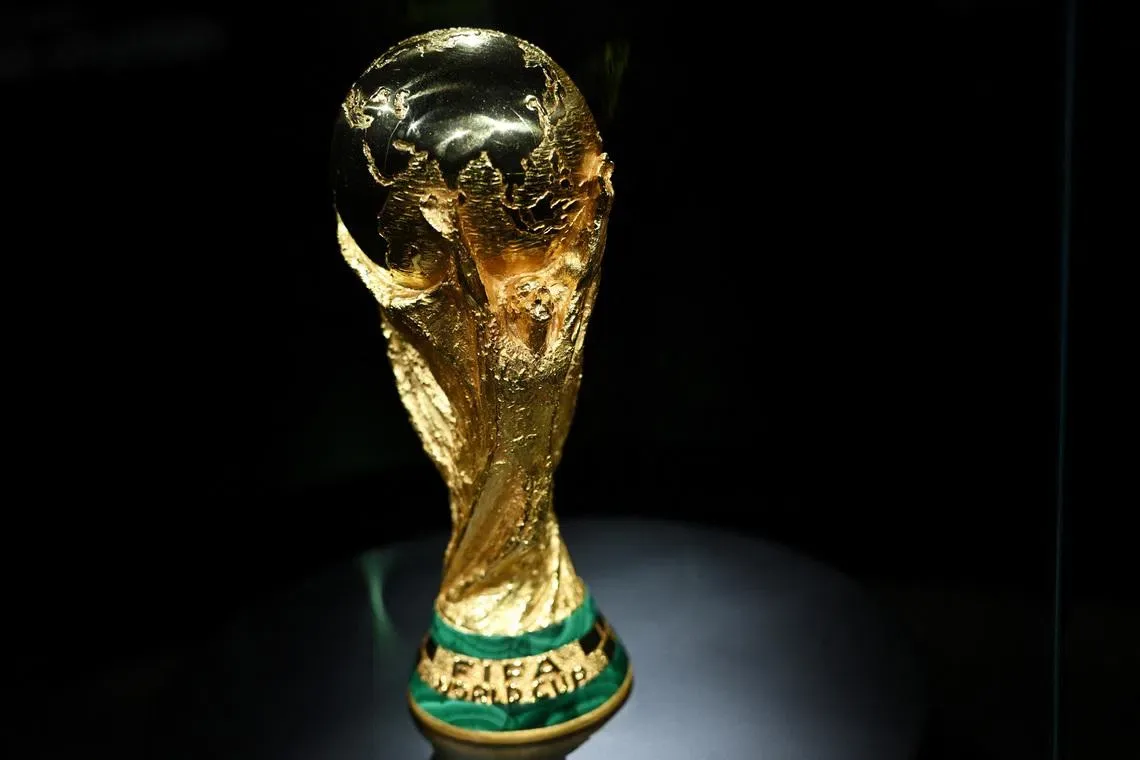
The 2026 FIFA World Cup, featuring 48 nations and 104 matches, is forecast to generate over $50 billion in global sports wagers, exceeding the $35 billion wagered during the 2022 tournament [1, 2, 3]. The expanded format and a nearly six-week schedule provide significantly more betting opportunities than previous four-week editions [4].
A key factor driving this surge is the tournament being partly hosted in the United States, where legal access to sports betting has expanded from 40% of the population in 2022 to 65% today [1, 2]. Flutter Entertainment, one of the largest global betting companies, projects about 10 million customers on its platforms during the World Cup, with peak betting volumes reaching 100,000 bets per minute [1, 2, 3]. A company spokesperson said, "We're expecting the World Cup to be the biggest betting event of all time given the extended format as well as the benefit of it being partly hosted in our key market, the U.S." [1]
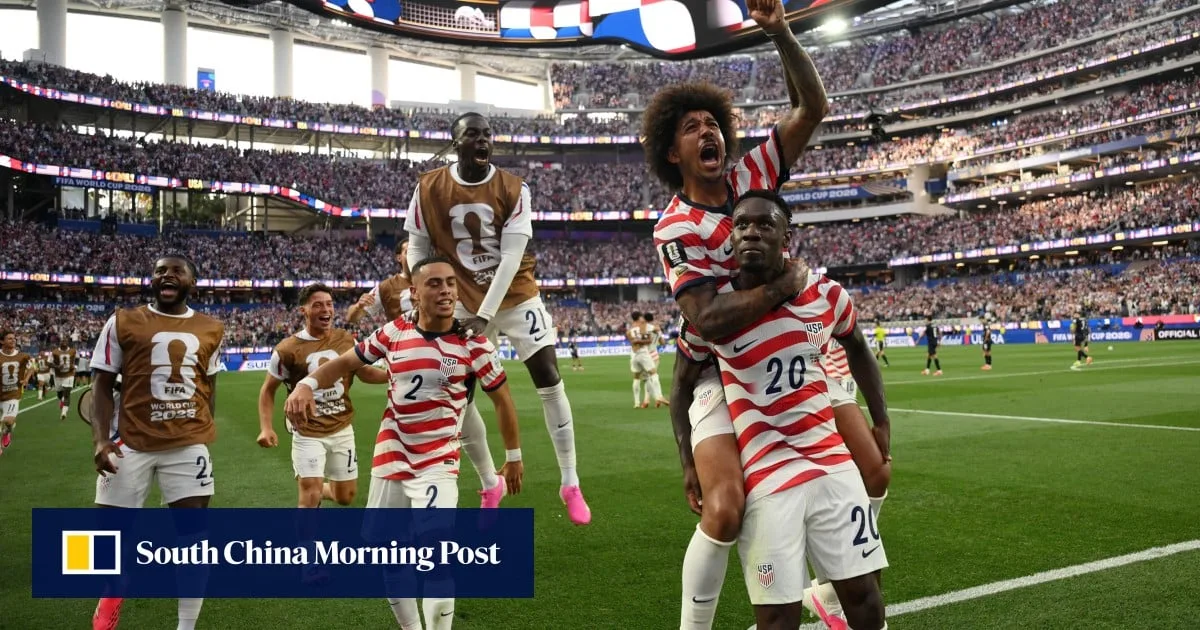
Major U.S. operators like FanDuel and DraftKings have already reported record activity. The opening matches involving the U.S. and Brazil set new benchmarks for active customers and betting handle on both platforms [1, 2]. DraftKings saw a threefold increase in first-time customers compared to the early stages of the 2022 Qatar World Cup. Greg Karamitis, DraftKings executive vice president, noted, "We've seen a 3x increase in first-time predictions customers and an increase in betting volume compared to early stages of Qatar World Cup." [1]
The increase in matches and favorable kickoff times have also contributed to betting growth [1, 2, 3]. The longer duration of nearly six weeks allows more opportunities to place bets than previous tournaments [4].
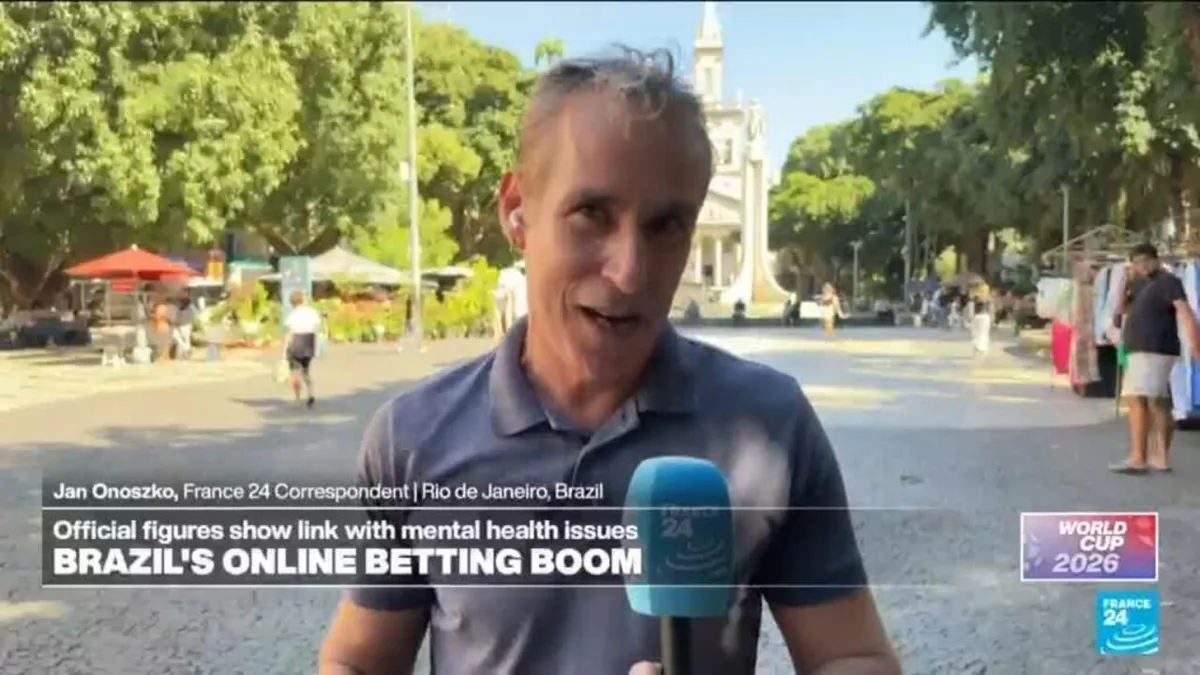
Behavioral experts caution bettors to approach gambling as entertainment and manage risks carefully. Mark Griffiths, a professor of behavioral addiction, advised, "You have a budget, and you stick to that budget. It's all about not spending more than you can afford to lose." [4]
Reports on June 25 indicate that betting volumes and participation are already breaking records prior to the knockout stages, underscoring the scale of engagement so far [1, 2, 3].