The 2026 World Cup has introduced extensive advanced technology to aid referees and officials in making accurate calls. The system includes 16 high-resolution cameras, sensors, and computer vision software to monitor players and key in-game events, up from 12 cameras used in the 2022 tournament [1].
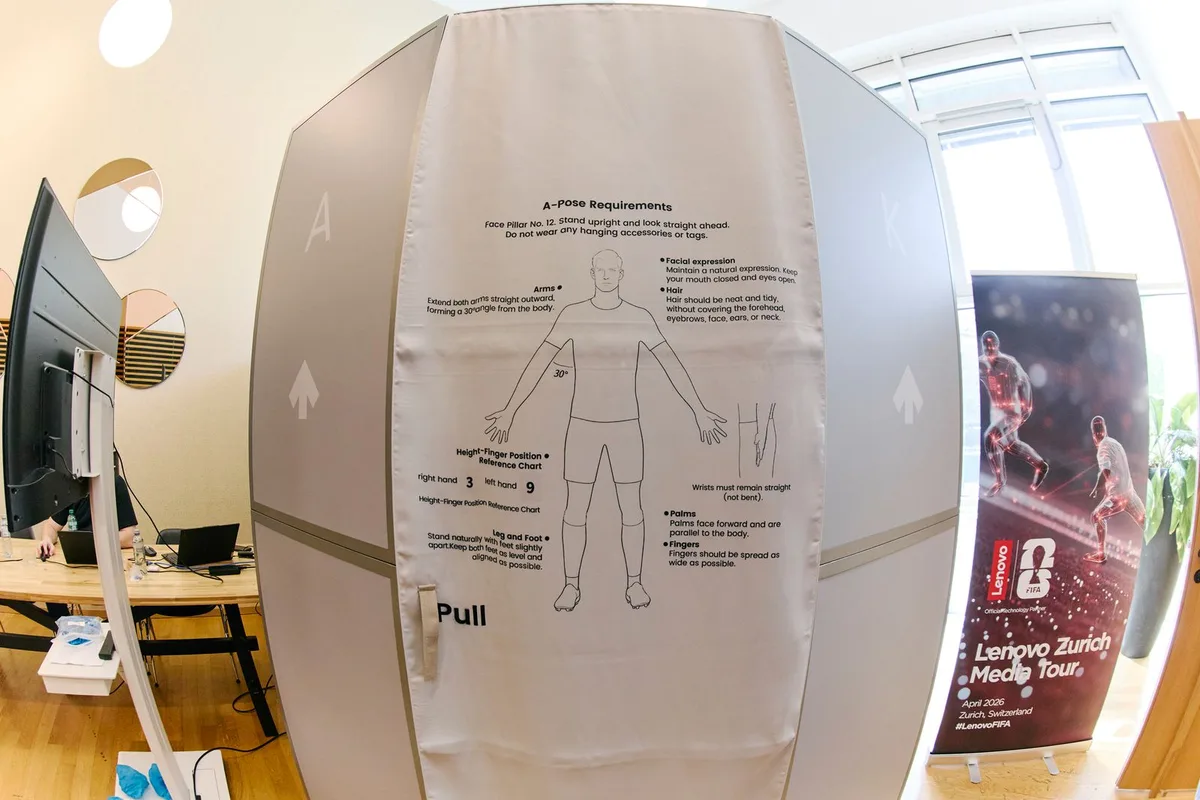
Each player underwent detailed body scans to create precise digital twins reflecting their height, limb length, and shoe size. These digital twins enable virtual simulations that provide exact positional data relative to the ball, field lines, and other players to support referees' decisions [2, 1].
The video assistant referee system (VAR) and semi-automated offside technology (SAOT), both established tools in soccer officiating, have been significantly enhanced for the 2026 World Cup [2, 1]. The technology tracks over two dozen skeletal points on each player to deliver refined oversight.
Despite the technological advances, human referees remain central to officiating. They rely on tech to confirm or overturn calls when challenged, maintaining a balance between human judgment and machine precision [2, 1]. The systems focus primarily on catching major errors like offside calls that influence goals but are also capable of reviewing minor infractions [2, 1].
FIFA and other soccer organizations stress the importance of minimizing both significant mistakes and disputes over small margins measured in inches [1]. The expanded camera setup and detailed player data reflect efforts to uphold fairness and accuracy during the games.
The 2026 World Cup’s deployment of multiple cameras, sensors, and digital player replicas marks a step forward from the 2022 setup and aims to reduce controversy in critical match decisions [2, 1].