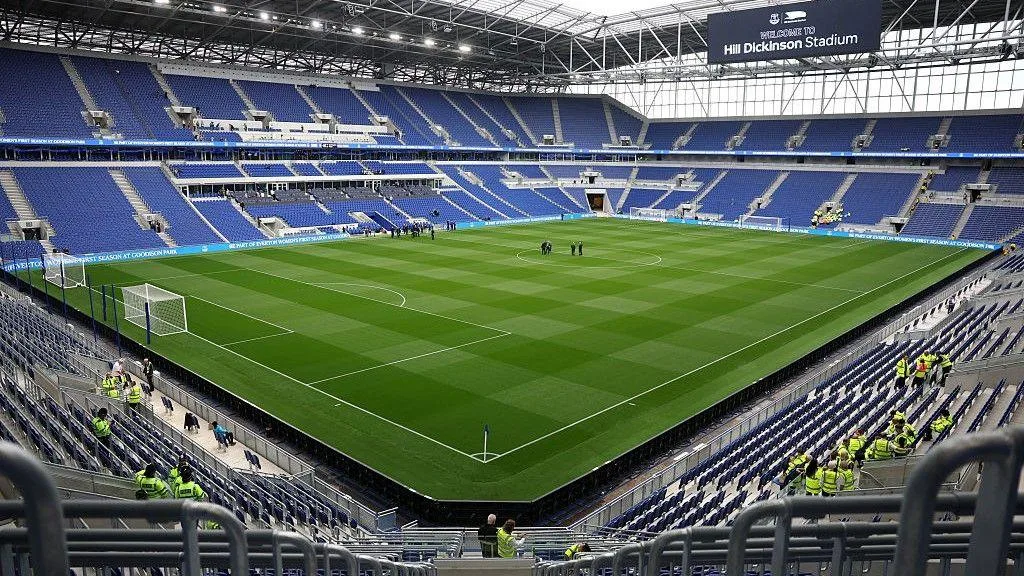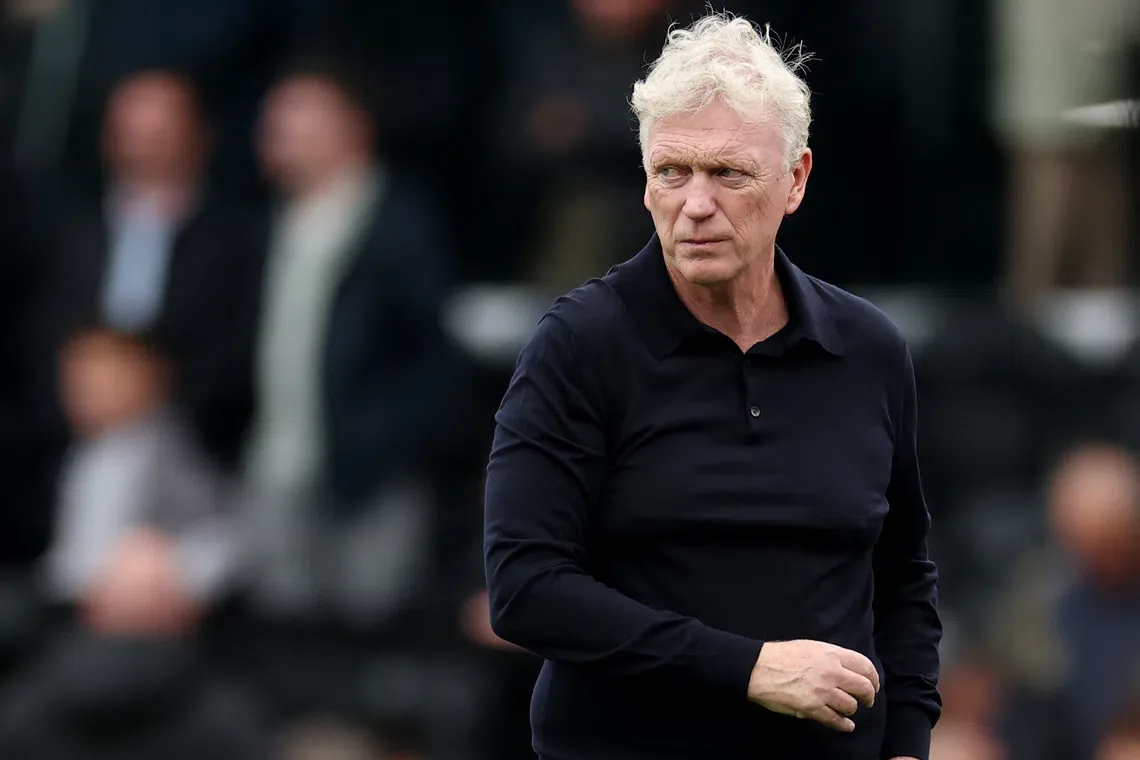
Everton manager David Moyes voiced disappointment over the club's transfer window on September 4, saying the team was left with a "real small squad" after failing to complete key deals and spending less than hoped [1, 2].
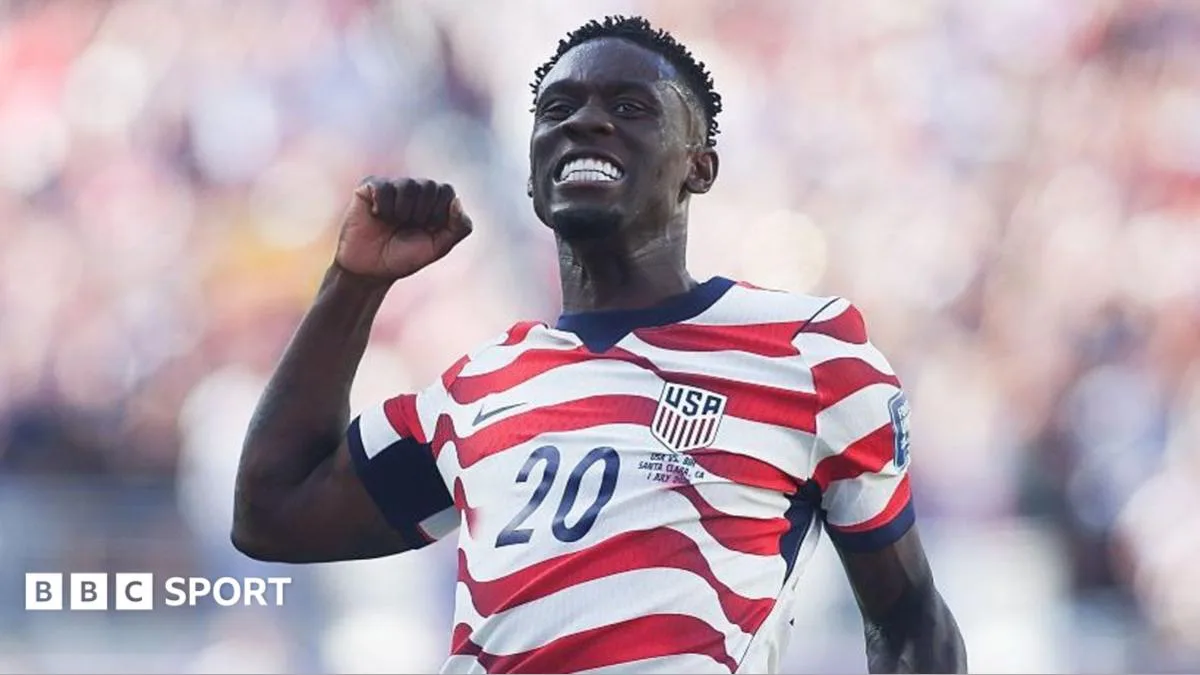
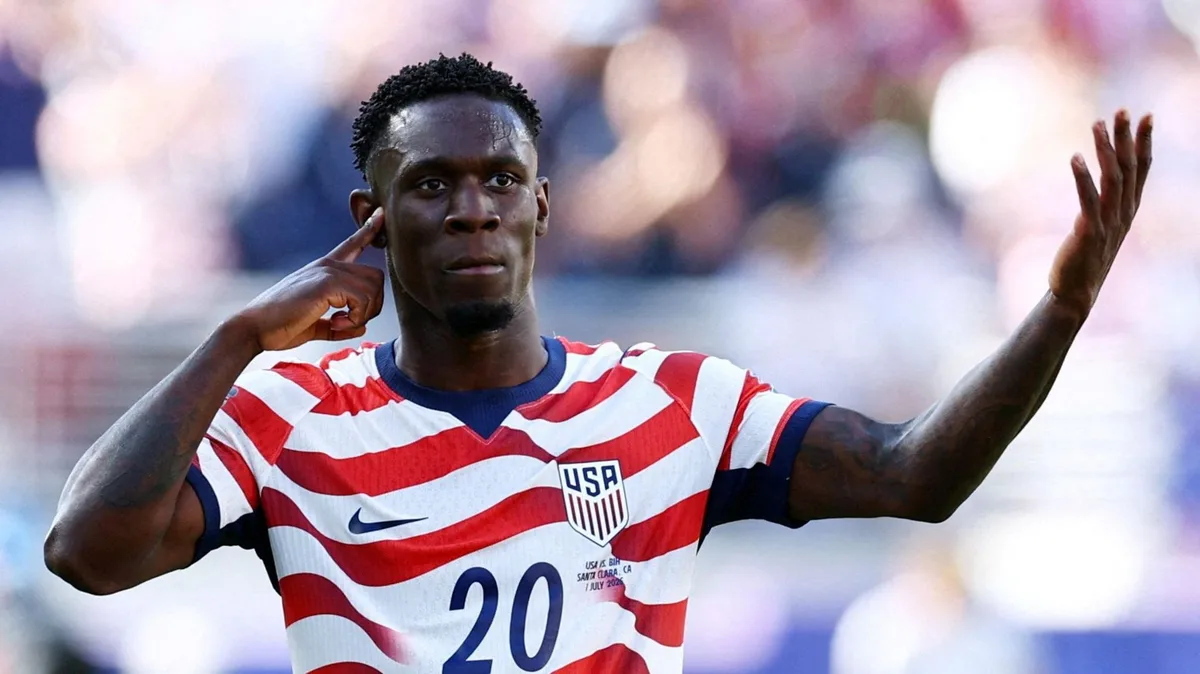
Everton’s late effort to sign 25-year-old United States striker Folarin Balogun collapsed after issues with his medical. The clubs had reached an initial agreement worth £40 million and signed a deal sheet to extend the process beyond the deadline, but Balogun withdrew due to concerns about his health. Moyes said, "The player had a problem in his medical and that was simply it. There's no other story behind it" [3, 1]. AS Monaco CEO Thiago Scuro added, "Everton raised concerns over Balogun's medical late on deadline day and that the U.S. international pulled out because he was uncomfortable with the doubts raised by the Merseyside club over his health" [1].
Everton also failed to secure full-back Kenny Tete, despite targeting him during the window [3].
In contrast, Everton sold midfielder Iliman Ndiaye to Manchester City for £65 million on September 2. Moyes said the sale was not desired but partly necessary to fund new signings [3]. The club secured Jack Grealish on a season-long loan from Manchester City and signed Ainsley Maitland-Niles from Lyon for £3 million but these moves did not relieve Moyes’ concerns about the squad size [3].
Fans expressed frustration over Everton’s transfer strategy, criticizing the last-minute activity and failure to sign key targets [1, 2]. Moyes pointed to academy players as possible solutions to the small squad, saying, "It gives opportunities to some people who have not had them … Let's see if some of them can do that" [2].
The transfer window closed on September 1 with Everton’s limited signings finalized. Moyes promised to move forward despite the setbacks, saying, "Sometimes in football you have to live with disappointments and move on, and we will" [3, 1].