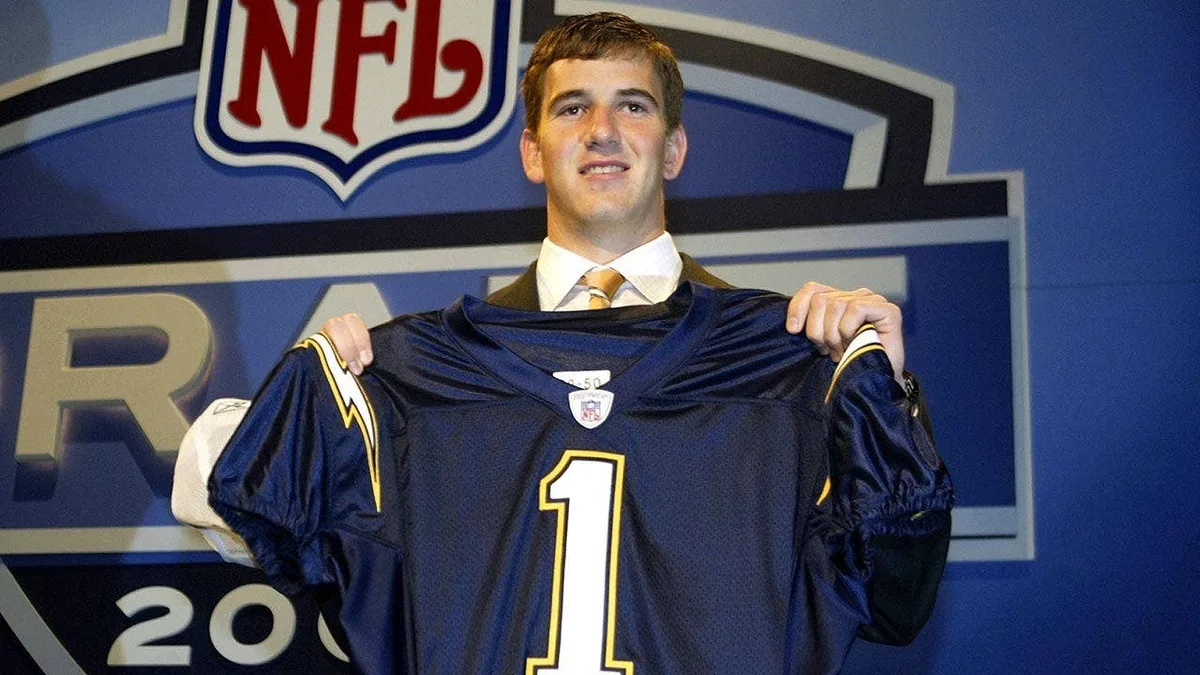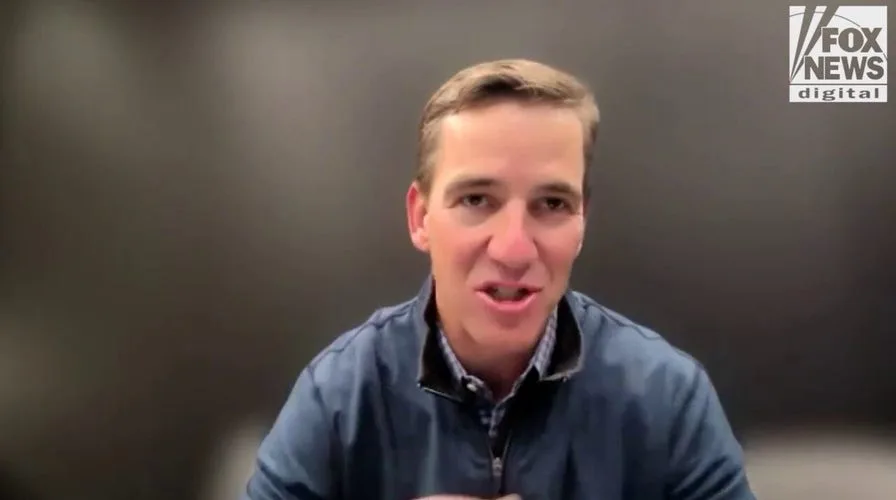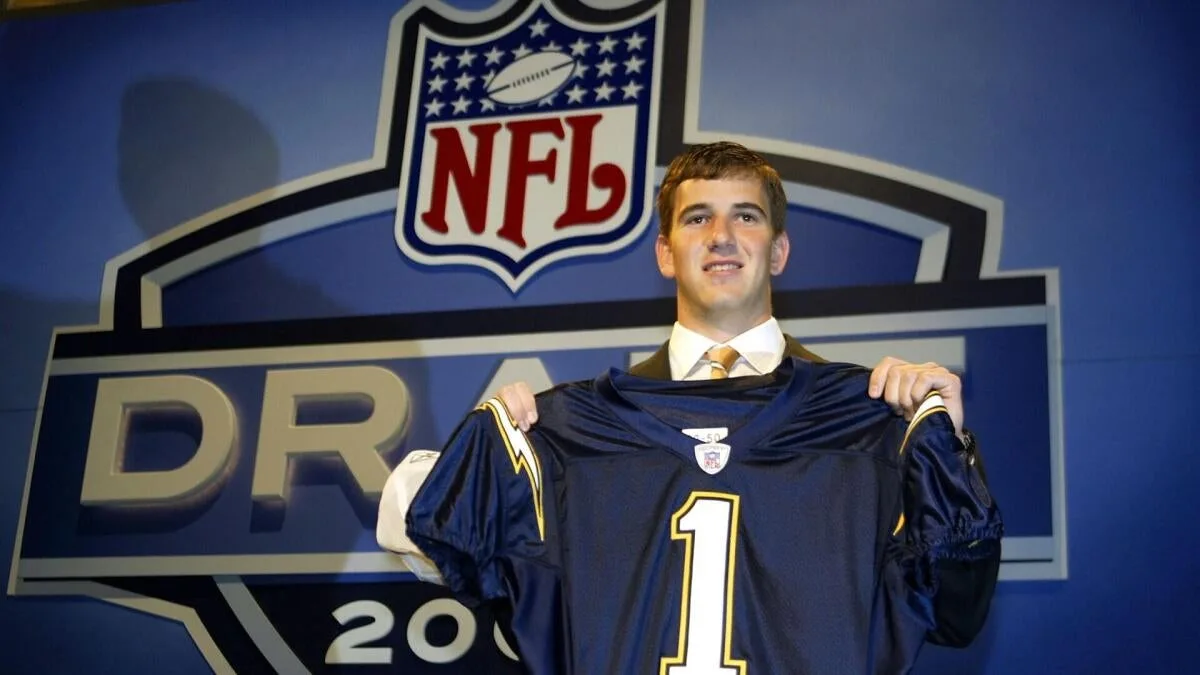
Eli Manning was selected No. 1 overall in the 2004 NFL Draft by the San Diego Chargers but never played a down for them [1, 2]. During a pre-draft visit in New Orleans, Manning observed the Chargers' organization in disarray. He witnessed head coach Marty Schottenheimer, general manager A.J. Smith, and the Spanos family owners arguing loudly during dinner at a Marriott restaurant [1, 2]. Manning said, "Marty Schottenheimer was the head coach, who was awesome. Had great respect for him. But... they are all yelling — kind of like fighting... It just didn’t seem there was a lot of agreement on things and they were committed to building a great winning franchise at that moment" [2].
Manning felt the Chargers were not sufficiently committed to winning at that time [1, 2]. Despite his respect for Schottenheimer, the organizational infighting made him decide he would rather not play professional football than join that team under those conditions [1, 2]. Manning’s parents initially did not support his decision to avoid playing for the Chargers but eventually allowed him to follow his own choice [2].
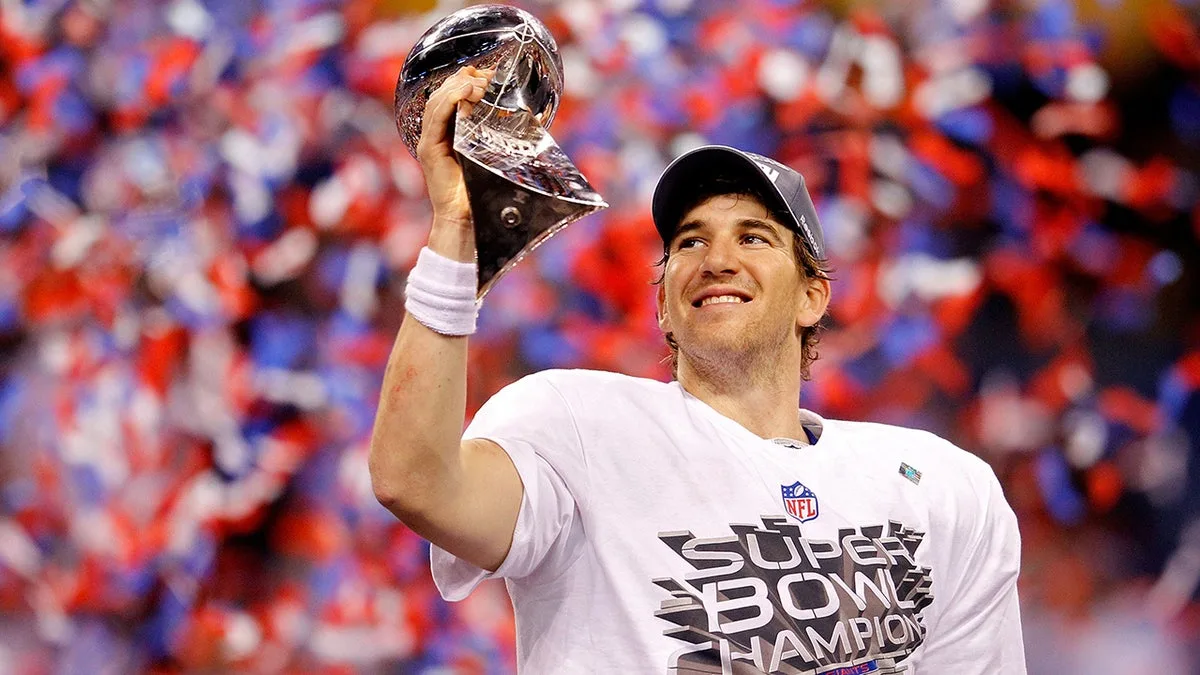
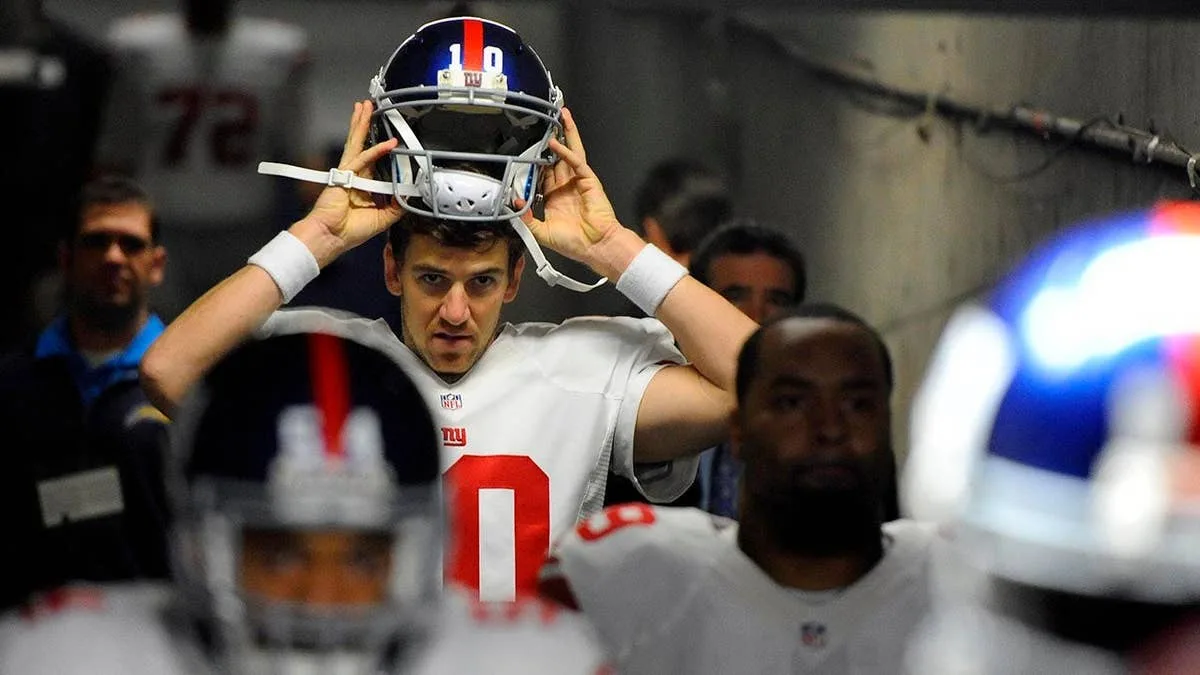
Shortly after the draft, the Chargers traded Manning to the New York Giants in exchange for quarterback Philip Rivers [2]. Manning spent his entire career with the Giants, winning two Super Bowl titles and earning two Super Bowl MVP awards during the 2000s and 2010s [2]. He finished his career with 366 touchdown passes and 57,023 passing yards, ranking 11th all-time in both categories [2]. Manning was selected to four Pro Bowls and is awaiting induction into the Hall of Fame [2].
Meanwhile, the Chargers have not appeared in a Super Bowl since the 1994 season [2]. Manning's decision to reject the Chargers set the stage for his successful career in New York. His legacy continues as his Hall of Fame eligibility approaches.