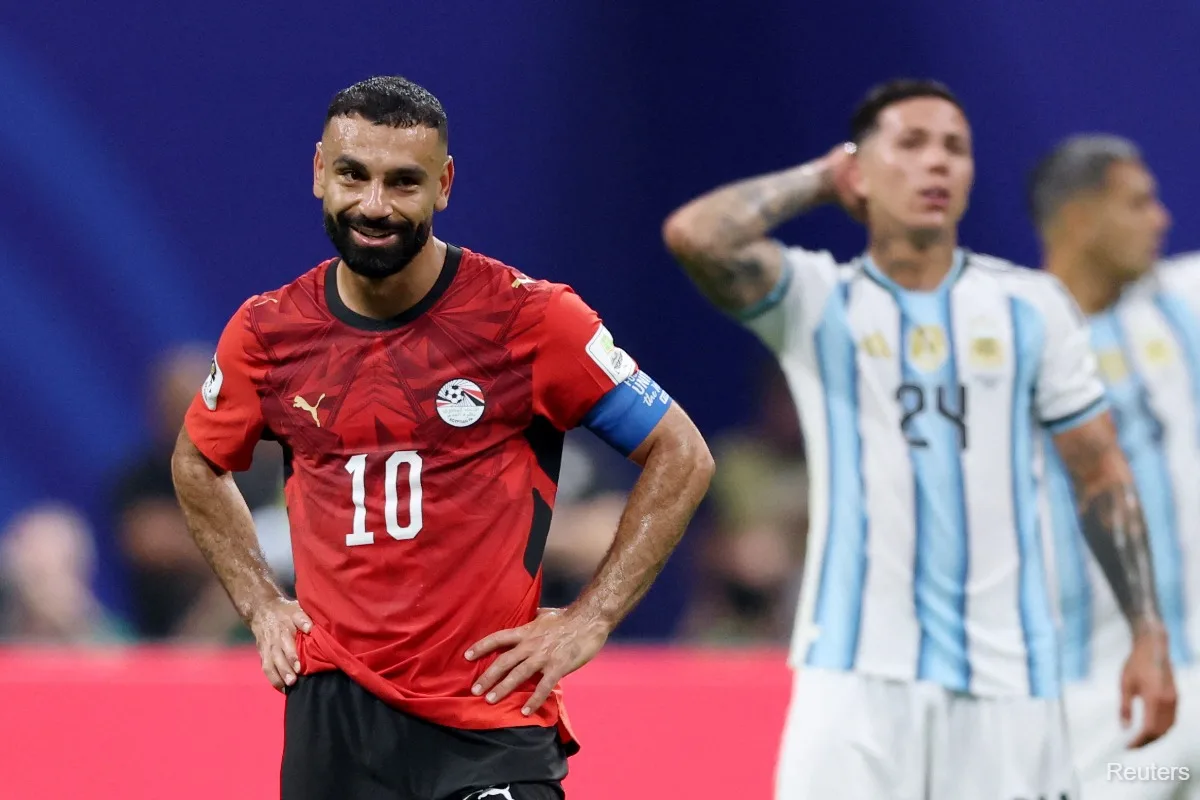
Argentina overcame a 2-0 deficit with 11 minutes remaining to defeat Egypt 3-2 in the World Cup round of 16 on July 9, with Enzo Fernandez scoring the stoppage-time winner [1, 2, 3, 4]. The match sparked controversy as Egypt protested key refereeing decisions such as the disallowing of Mostafa Zico’s 62nd-minute goal and an unpenalized challenge on captain Mohamed Salah [1, 4]. Egypt’s coach Hossam Hassan said, "We were cheated out of a place in the quarterfinals," implying pressure on referees to favour Argentina’s progression [1, 4]. The Egyptian Football Association also criticized VAR and refereeing consistency, labeling the officiating unfair [1, 4].
FIFA refereeing chief Pierluigi Collina responded by firmly rejecting allegations of bias. He said officials acted independently and said, "Nobody can question the integrity of the FIFA World Cup match officials ... Nobody can claim that FIFA refereeing can be influenced by anyone, not even by the FIFA president [Gianni Infantino]" [1, 4]. Collina explained VAR was correctly used to overturn Zico’s goal after identifying a foul by Egypt’s Marwan Attia. He added, "Constructive discussion about decisions will always be part of football, but unfounded allegations have no place in our sport," noting such claims risk threats against referees and their families [1, 4].
Argentina defender Lisandro Martinez dismissed refereeing controversy, telling media: "No, absolutely nothing. I think they are doing an excellent job. That's something for you (the media), who sometimes generate the controversies" [2, 3]. Defender Cristian Romero said the team focuses on improvement regardless of the opponent, stating, "Whatever the opponent's name or where they are from, we always focus on ourselves and on correcting the mistakes we have" [2, 3].
Argentina is set to face Switzerland in the World Cup quarter-finals on July 11 in Kansas City following their victory over Egypt [2, 3].