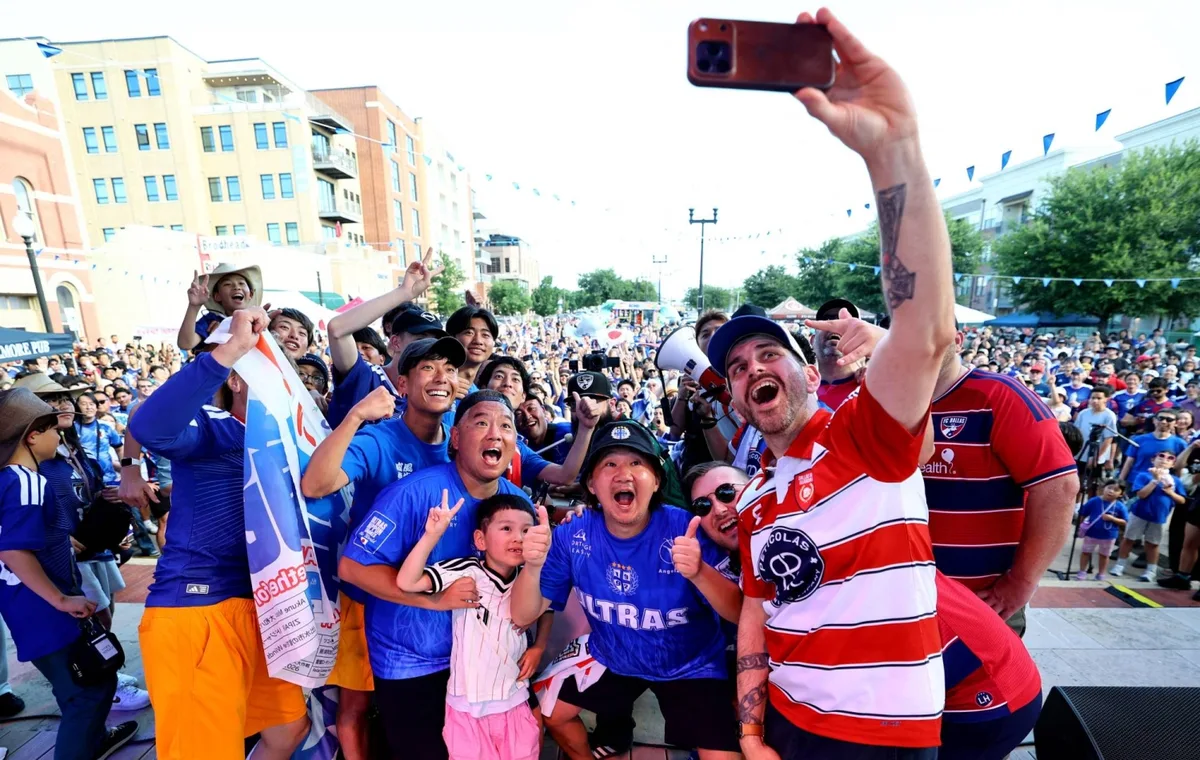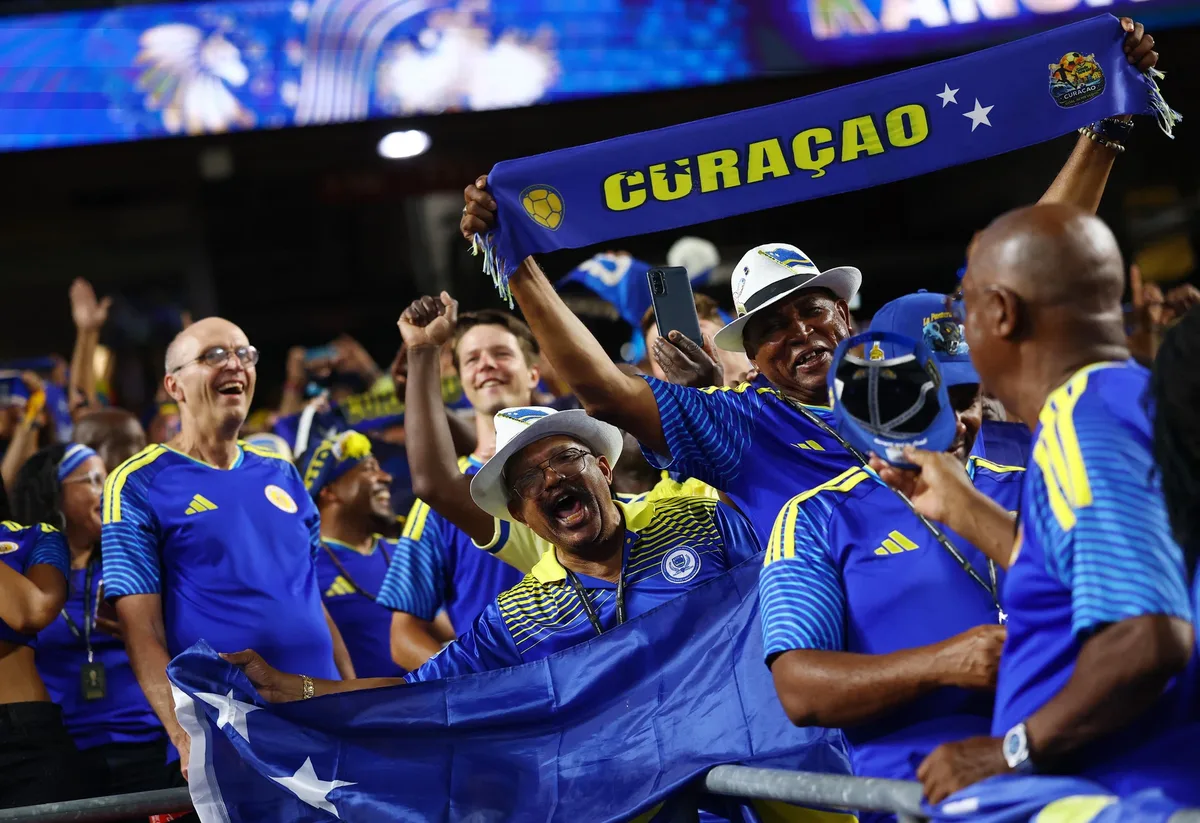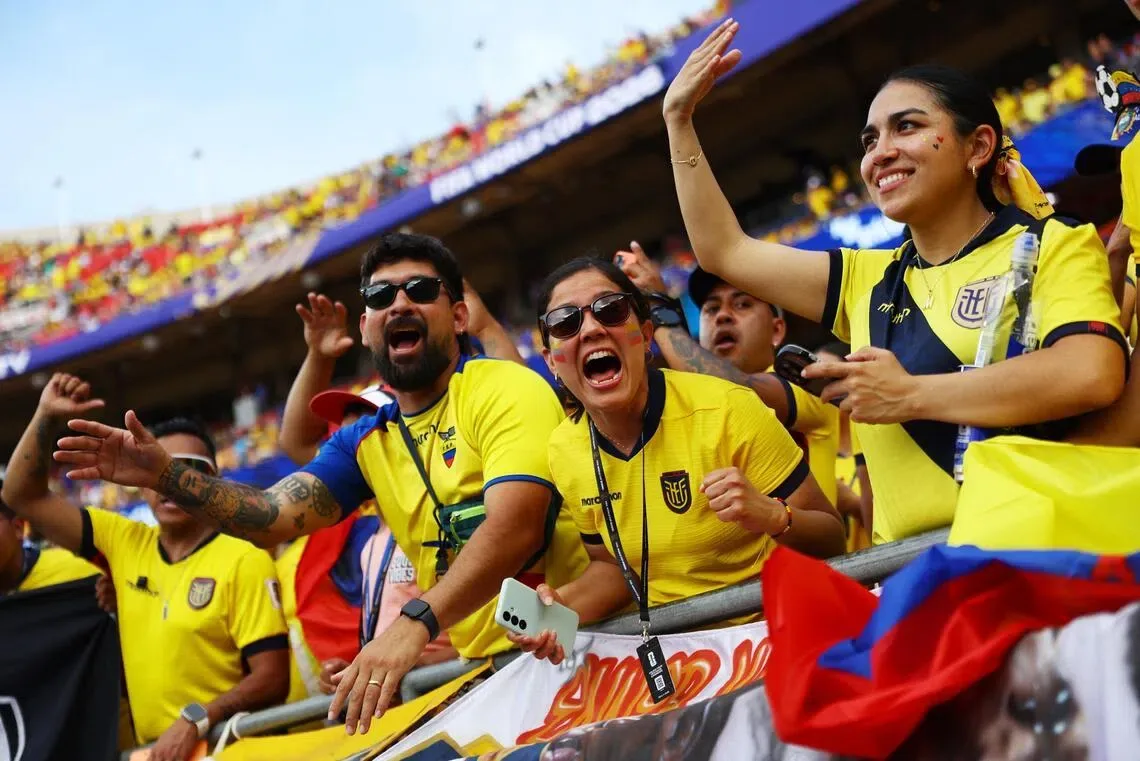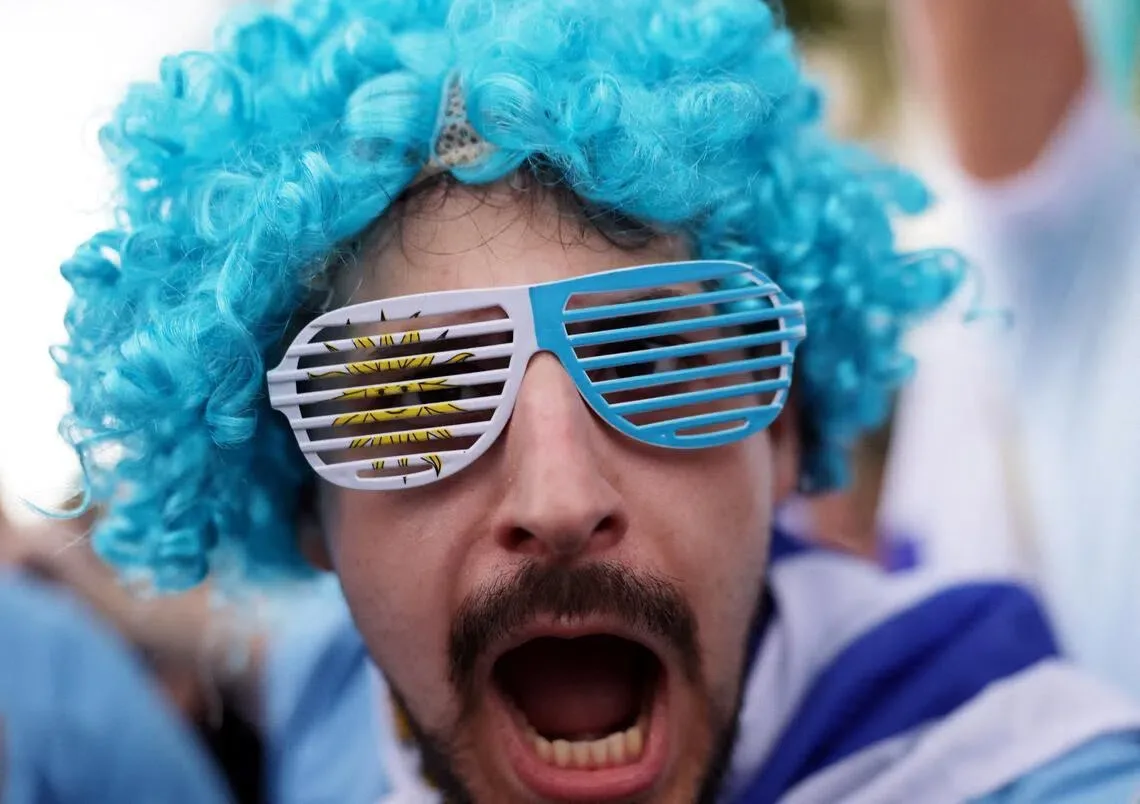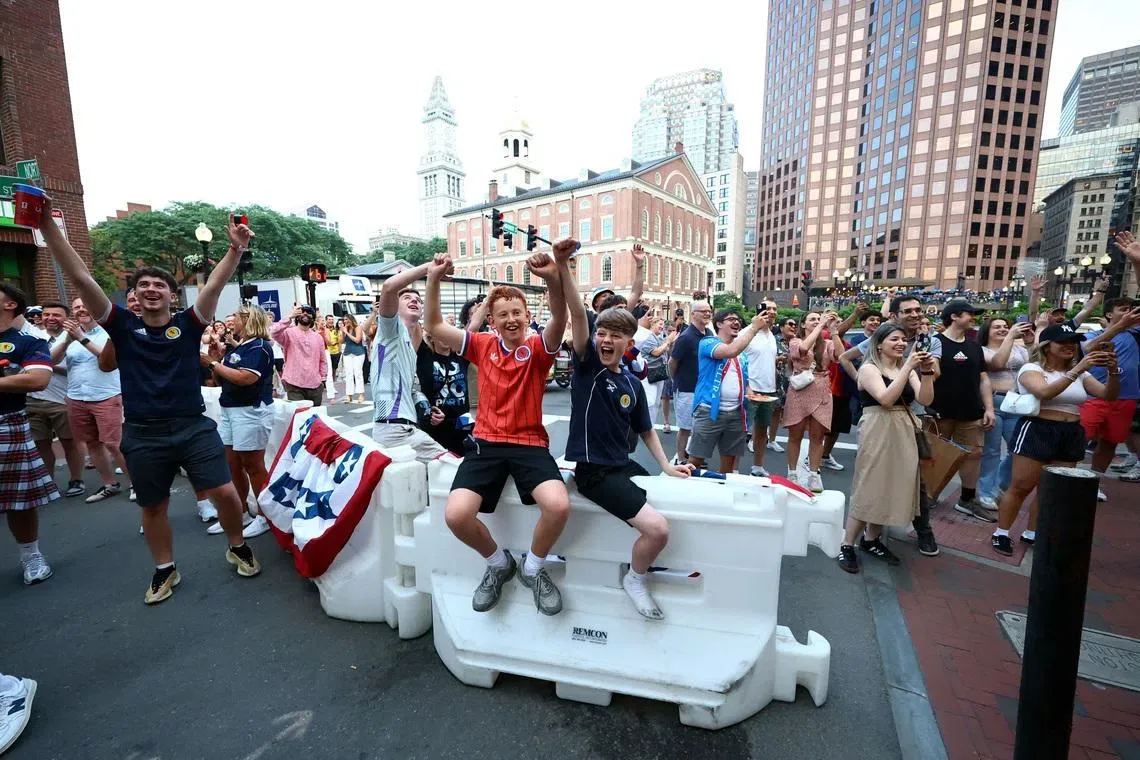
Before the 2026 World Cup, many international fans were skeptical about the US as a co-host due to worries over visa access, costs, gun violence, and low local interest in soccer [1, 2, 3, 4]. Despite these concerns, social media is filled with positive posts from first-time visitors praising the warm welcome, 24-hour retail culture, free soda refills, and local foods like chicken wings with ranch dressing [1, 2, 3, 4].
Scottish fan Gail Nicholl recounted her experience at a Boston pub ahead of Scotland’s opening game against Haiti on June 14. "I met these two gorgeous girls from Boston. It was her birthday, she was having cocktails. I bought her another one and they kept saying 'welcome to Boston, Massachusetts!' They loved us, we loved them ... Everyone is so friendly, so nice," she said [1, 4].
A Swiss fan from Zurich wrote on Reddit, "Something new for me is how friendly and outgoing everyone is," reflecting similar sentiments expressed by others [1]. Argentine fans trying Kansas City’s “dry rub” barbecue found it different but enjoyable compared to their traditional "asado" [1, 2, 3, 4].
Experts note that hosting major sports events like the World Cup provides visitors with a first strong emotional impression that can challenge stereotypes. Darin White commented, "The front porch of your house is the first thing a visitor experiences before they ever step inside. Sports serves that same function for cities, states, and countries. It is often the first meaningful, emotionally charged encounter someone has with a place they might otherwise never have thought much about" [1].
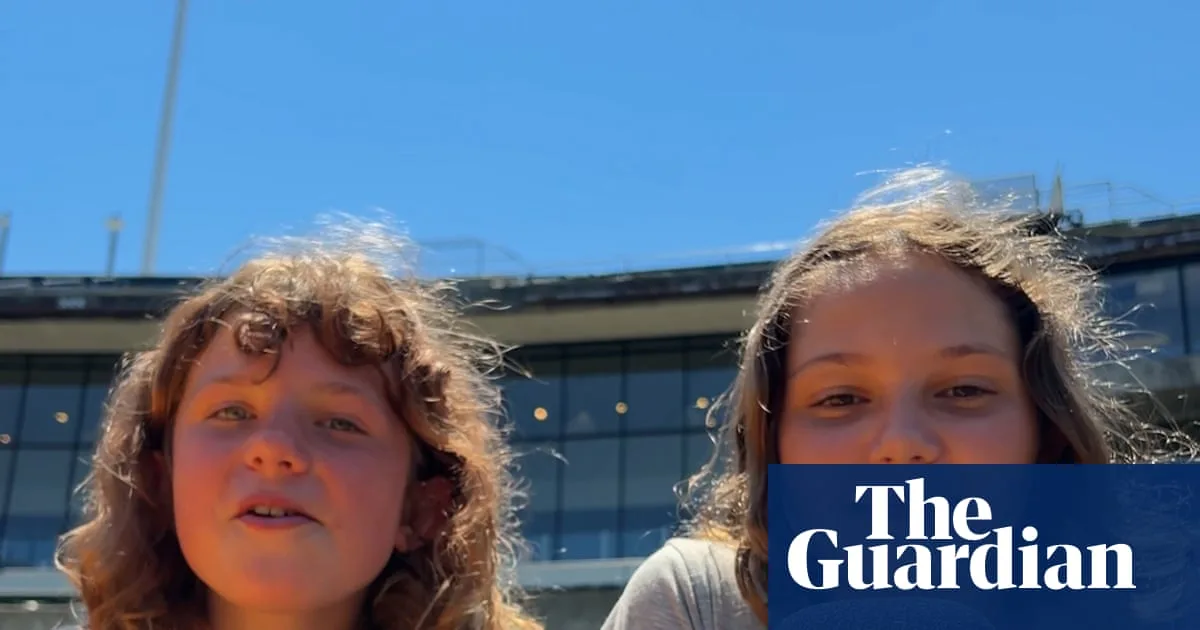
The tournament has taken fans beyond traditional US tourist hubs, showcasing cities like Kansas City, Atlanta, and Houston [1, 2, 3, 4]. However, soccer remains less popular than the NFL, basketball, and baseball in the US. The Guardian noted on June 19 that World Cup enthusiasm resembles temporary spikes in interest similar to the Olympics, with young US soccer players often facing stereotypes that soccer is "weak" compared to American football [5].
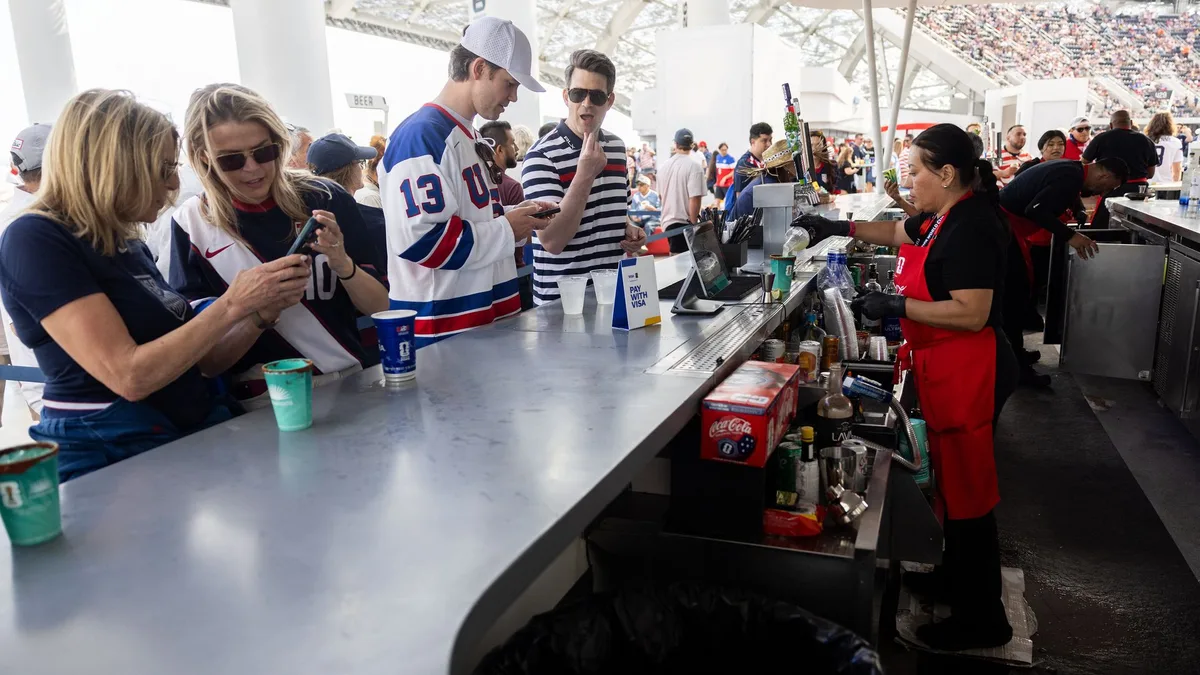
Many foreign visitors are encountering US tipping culture for the first time. Some restaurants have added automatic 20% gratuities to bills during the tournament to help servers, who typically earn a federal minimum wage as low as $2.13 per hour plus tips to reach $7.25 total. This system traces back to exploitative labor practices, as Saru Jayaraman explained, "Restaurants wanted to be able to continue to access free Black labor. So they mutated tipping from being an extra bonus on top of the wages... to becoming a replacement for wages" [6].
Despite automatic gratuities, some foreign fans leave very low tips. Server Jessica Ordeñana said, "They left like a $4 tip, and that was really, really disgusting. We depend on [tips], but unfortunately we cannot depend on them, because of how low they are." Teneshia Murray Butler, a restaurant manager, said, "My servers are everything. They're like the quarterback to the rest of the team. Doing this makes the server see that I'm putting them first ... and I care about them and their money" [6].
Reports on June 20 and 21 from New York and other US cities continue highlighting positive international fan experiences and the warm welcome at the World Cup, alongside ongoing challenges like tipping culture [1, 2, 3, 6].