The 2026 FIFA World Cup has produced a prolific scoring rate, reaching 96 goals so far with nearly 30% scored in the final 15 minutes of matches. Twenty-eight of those goals, about 29.2%, came between the 76th minute and full-time, making the closing stage the most productive period of play [1].
Switzerland exemplified the late scoring trend when they netted four goals after the 70th minute in their match against Bosnia and Herzegovina on June 18, leaving Bosnia only the third team in World Cup history to concede four or more goals so late in a match [1]. Johan Manzambi, a substitute, contributed two of those late goals.
The tournament has also featured mandatory hydration breaks around the 22nd minute and 67th minute, which might be linked to increased scoring just after those pauses [1]. Goalkeepers face challenges from the Adidas 'Trionda' ball used in this edition, which reportedly moves faster and contributes to more long-range goals, according to England goalkeeper Joe Hart, who said, "Goalkeepers are struggling to get to grips with the Adidas 'Trionda' ball rushing quicker than expected" [2].
The scoring pace is historic. The tournament hit 100 goals in just 33 games, the fastest milestone since 1958 when the World Cup reached this mark in 20 matches [2]. Current statistics show an average of 3.09 goals per game, putting the tournament on track to surpass 300 total goals overall [2]. Germany’s 7-1 win over Curacao on June 14 and the Netherlands’ milestone 100th tournament goal, scored by Cody Gakpo on June 20, are among the high-scoring highlights [2].
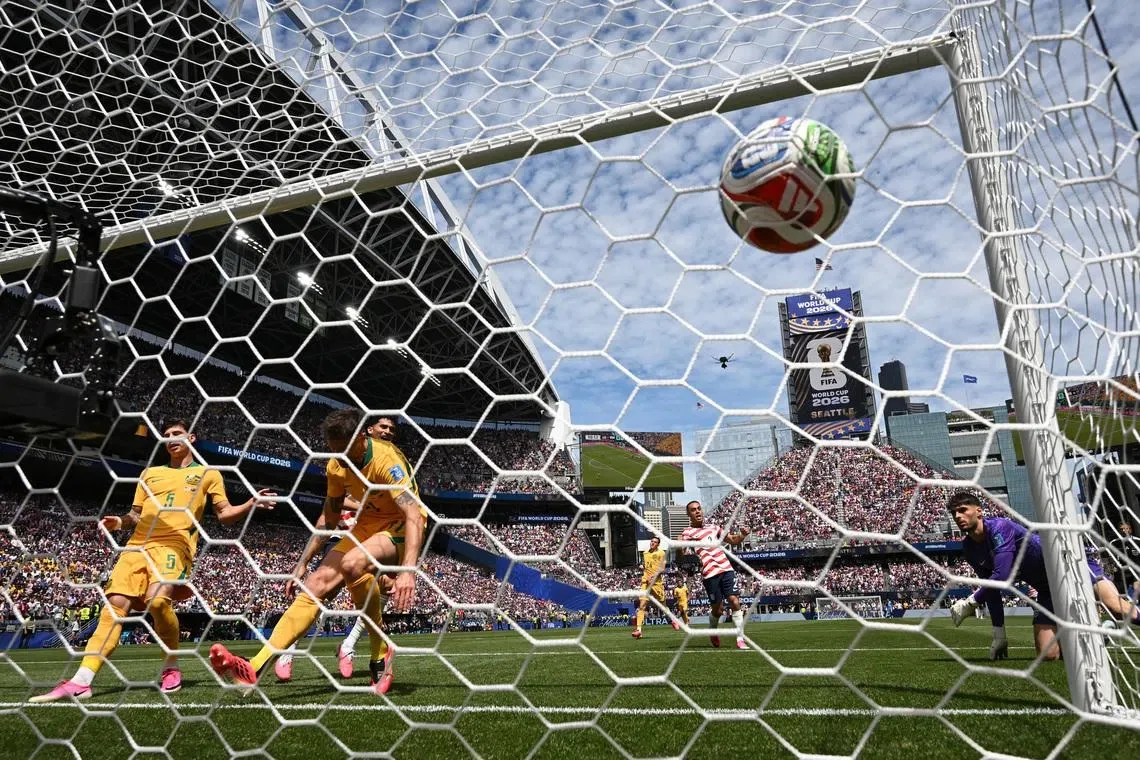
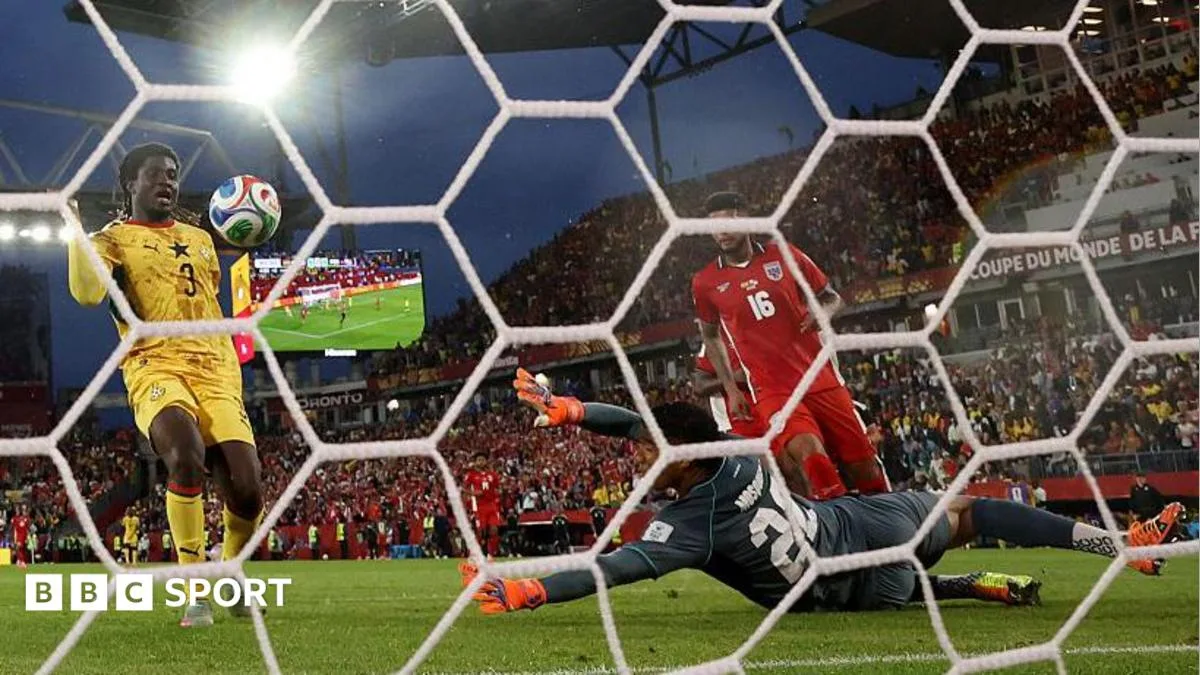
Own goals have also climbed sharply. Seven own goals have been recorded—second only to the 12 own goals scored in 2018 [3, 4]. Notable own goals came from Paraguay’s Damián Bobadilla, Australia’s Cameron Burgess, Switzerland’s Miro Muheim, Qatar’s Mohamed Manai, Egypt’s Mohamed Hany, Iraq’s Aymen Hussein, and Jordan’s Yazan Al-Arab [3, 4]. Aymen Hussein joined an elite group of World Cup players by scoring at both ends in a single match [3, 4].
The United States has benefited from two own goals so far, matching the joint record for most own goals favoring one team in a single tournament, previously held by France in 2014 and 2018 [3, 4]. Historically, Mexico holds the record for most own goals scored by a team with four, while France has benefited from the most own goals in their favor with six [3, 4].
Top individual scorers continue to chase records. Lionel Messi has tied Miroslav Klose’s all-time World Cup goals record at 16 and may break it during this tournament [5]. France's Kylian Mbappe is close behind with 14 World Cup goals, while Harry Kane has tied England legend Gary Lineker’s scoring record with 10 goals across three World Cups [5].
England’s Ellen White described the tight gameplay in some high-scoring matches: "Probably the most compact and tactically tight game I've seen so far was Netherlands versus Japan - and even that had four goals" [2].
The tournament continues, with many matches still to come. The World Cup remains on course for a record-breaking goal tally as key players push individual milestones and teams navigate late-game surges and defensive lapses.