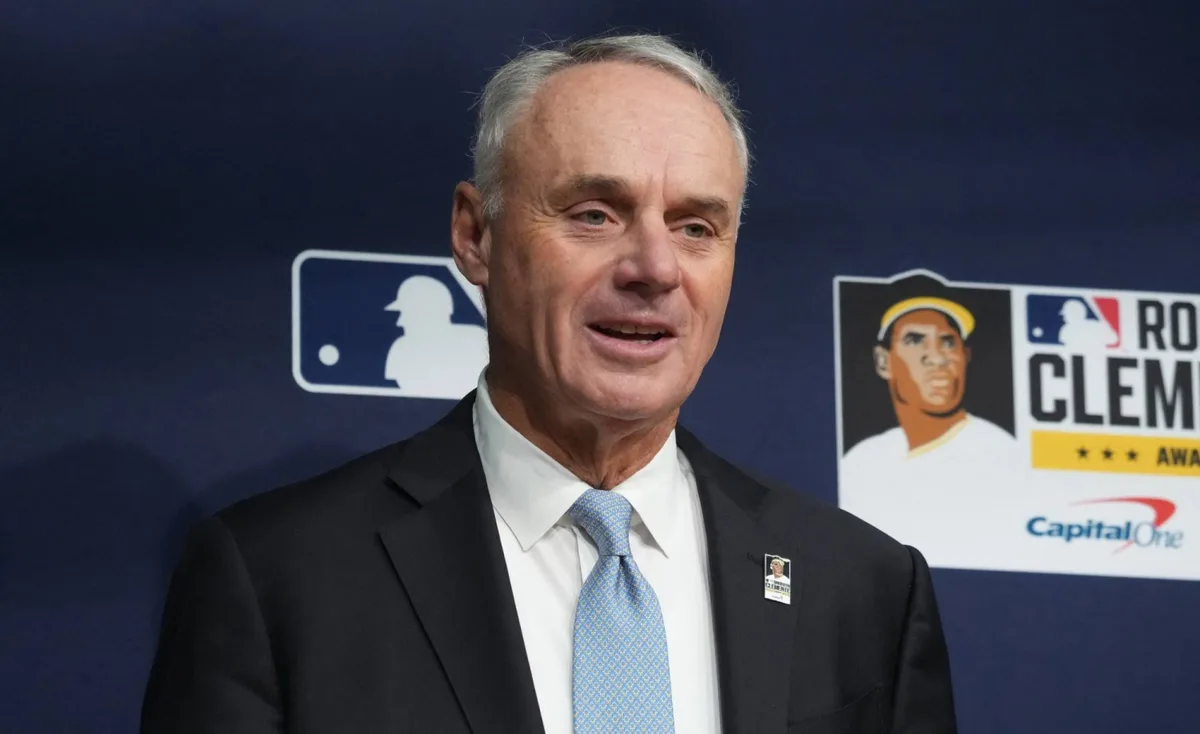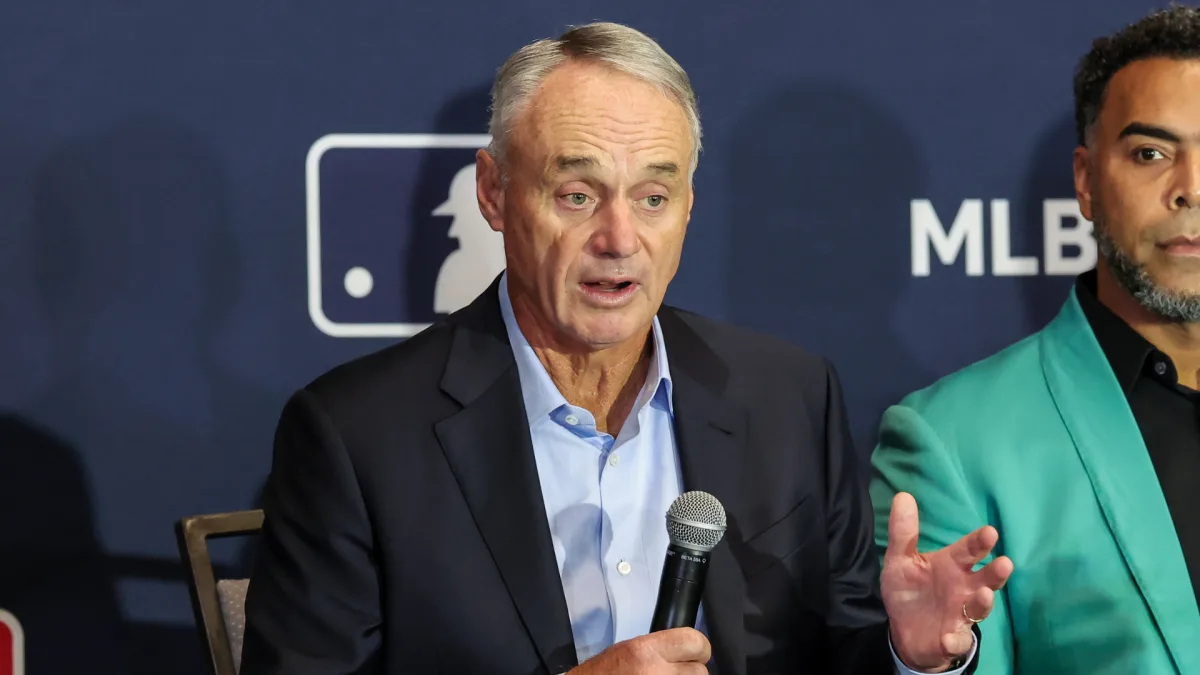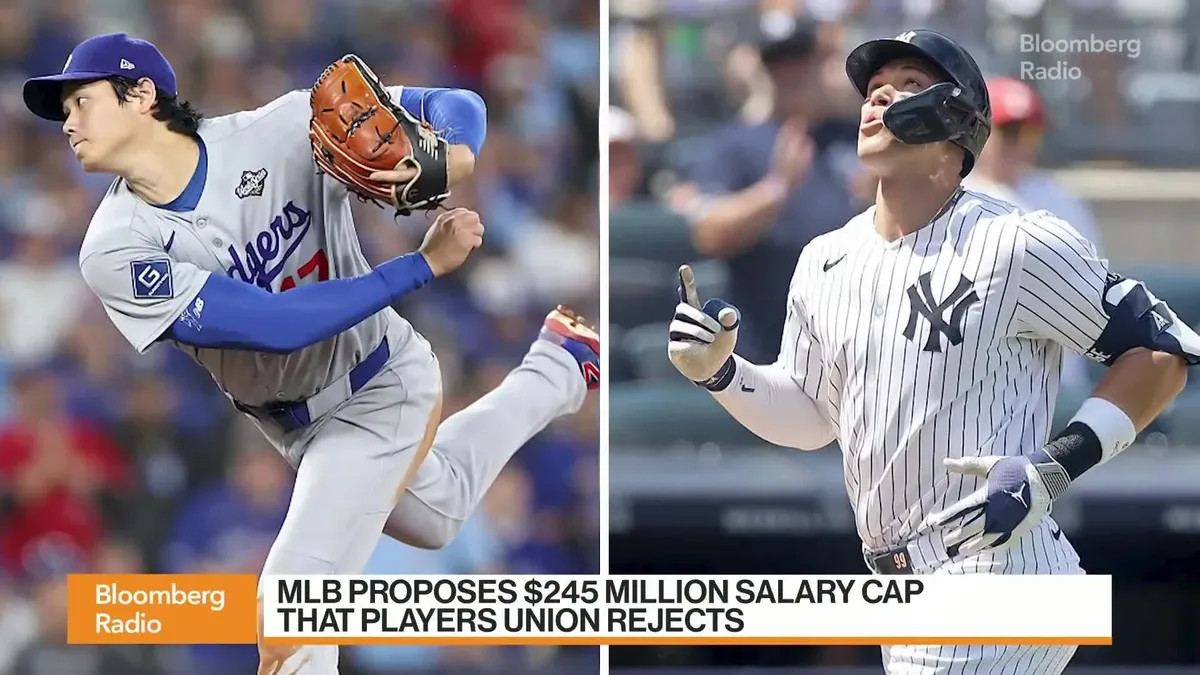
Major League Baseball owners unveiled a salary cap proposal of approximately $245 million, paired with a $171 million salary floor, marking the first hard salary cap suggestion since 1994 [1, 2, 3, 4]. The proposal includes a seven-year agreement duration if ratified [4]. This move comes as the current collective bargaining agreement between MLB and the players is set to expire in December 2026 [1, 2, 5, 3, 6, 4].
The MLB Players Association swiftly opposed the salary cap, labeling it a step backward. The union released a comprehensive economic plan on May 27 that counters the cap with a "competitive integrity tax" on teams that spend below a roughly $150 million minimum payroll threshold [5, 3, 7, 6]. They also propose raising the minimum salary from $780,000 to $1.5 million starting in 2027, as well as increasing the luxury tax threshold from $244 million to $300 million and removing nonmonetary penalties like draft-pick consequences [5, 7, 6].
The union criticized the owners as "billionaire owners" and warned that the last time a salary cap was pushed, it triggered the 1994-95 strike that canceled World Series games [3]. Their statement underscored that "The owners responded today with a demand for a salary cap system, something generations of players have fought against. The last time the owners made such an explicit push for a cap — over 30 years ago — it led to the longest work stoppage in MLB history" [3].
Owners argue their salary cap and floor "levels the playing field while sharing baseball revenue" [4]. They propose centralizing local media revenue equally among all 30 teams and instituting a 50-50 split with players, replacing the current revenue-sharing plan [4]. The Players Association counters with a revenue sharing plan guaranteeing small-market clubs at least $240 million annually, with conditions to spend on improving performance [5, 7, 6]. Bruce Meyer, MLBPA Interim Executive Director, said, "Our goal is to preserve and improve baseball's market system, rewarding competition on and off the field. Additionally, the players' proposals provide increased revenue sharing initially guaranteeing every small market club a minimum of $240m in revenue every season." [5]
High-spending clubs like the New York Mets, Los Angeles Dodgers, New York Yankees, Philadelphia Phillies, Toronto Blue Jays, and Boston Red Sox currently exceed the proposed salary cap [2, 4]. Conversely, teams such as the Miami Marlins, Cleveland Guardians, Tampa Bay Rays, Pittsburgh Pirates, and Chicago White Sox fall below the salary floor and would need to raise payroll [7, 6, 4].
Negotiations began in New York City with initial proposals exchanged, but sources say a work stoppage or lockout after the 2026 season appears likely [1, 5, 3, 6, 4]. The focus now shifts to ongoing bargaining sessions ahead of the December contract expiration.