More than 50% of US adults said they are unlikely to watch any of the 104 games of the FIFA World Cup 2026 tournament on TV at home, according to a late May poll by Morning Consult surveying about 2,000 US adults [1, 2]. Only 13% said they were absolutely certain to watch the tournament games. [1, 2]
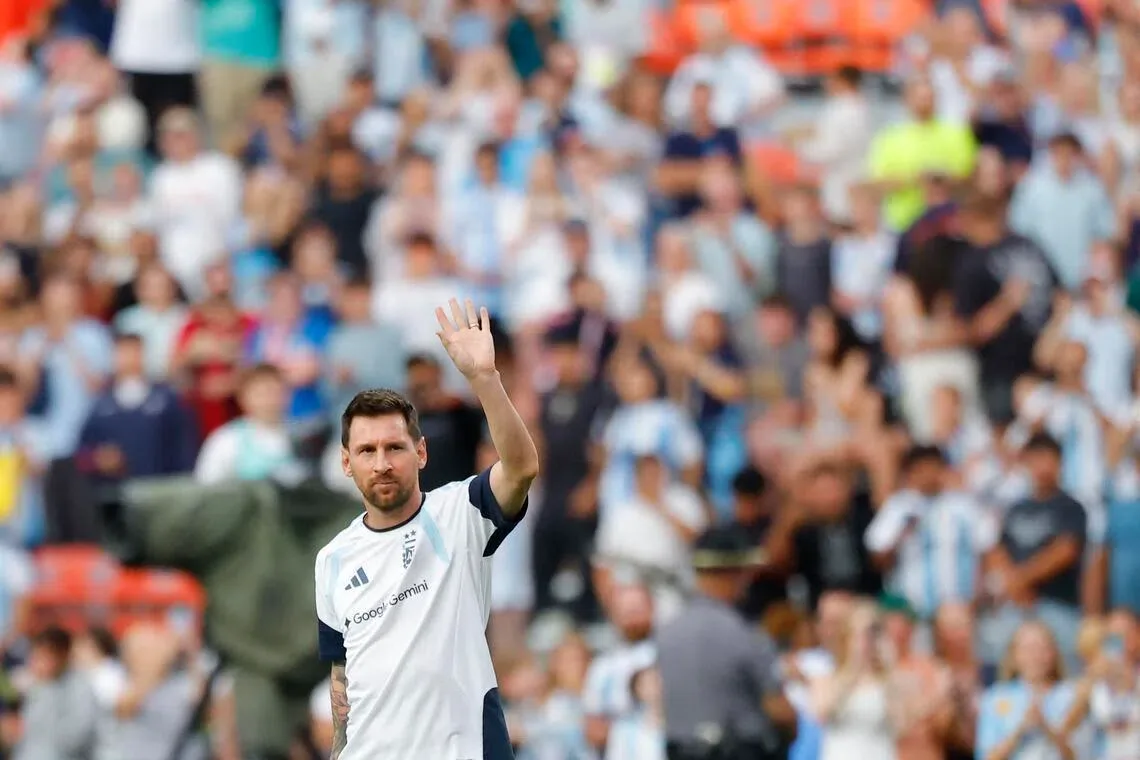
Generation Z showed the most enthusiasm for the event among age groups, while about 75% of baby boomers said they were not football fans. About half of the baby boomer respondents had never heard of Lionel Messi, a global soccer star [1, 2].
Awareness of the World Cup 2026 was relatively low overall. Only about a quarter of respondents said they had learned quite a bit or more about the tournament [1, 2]. Nearly 40% said the World Cup had not come across their radar at all. [1, 2]
Around 30% of US respondents were aware of the high ticket prices, which have sparked backlash including state investigations and congressional calls to lower costs [1, 2]. Opinion was divided on FIFA awarding US President Donald Trump its first peace prize, with 31% strongly opposing and 16% strongly approving. [1, 2]
Major corporate sponsors investing heavily in World Cup 2026 advertising include McDonald's, Verizon, Coca-Cola, Nike, and Adidas [1, 2]. Coca-Cola is the most recognized sponsor among respondents, having advertised at World Cups since 1950 and sponsoring again in 2026 [1, 2]. Nike ranked second in sponsor awareness but is not an official FIFA partner; it sponsors teams such as France, England, and the US [1, 2]. Adidas is a longtime official FIFA partner and supplier of the official match ball for 2026 but ranked slightly behind Nike in brand awareness [1, 2].
The FIFA World Cup 2026 will begin on June 11, hosted by the United States, Mexico, and Canada [1, 2].