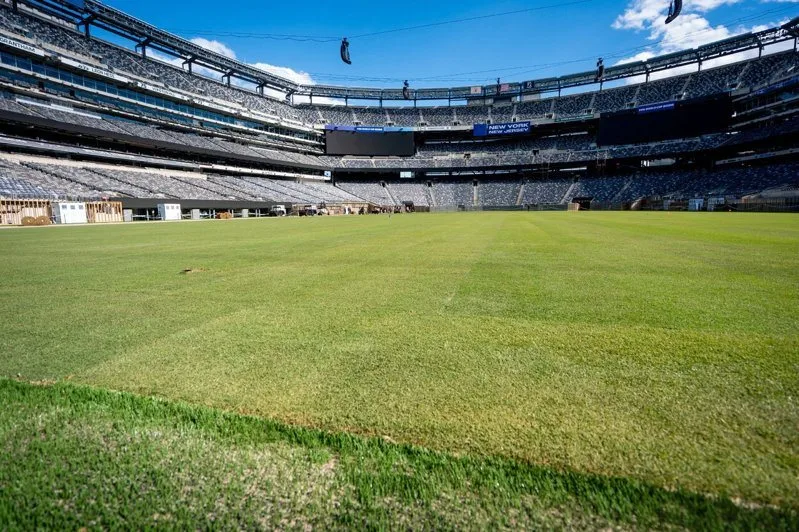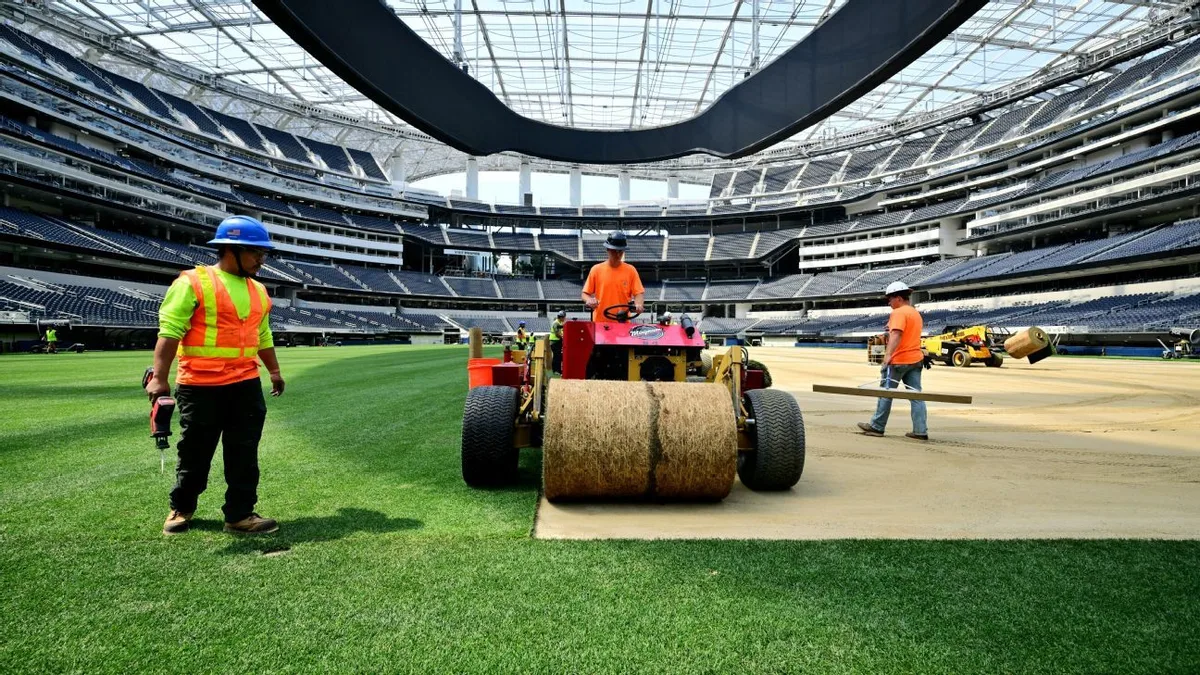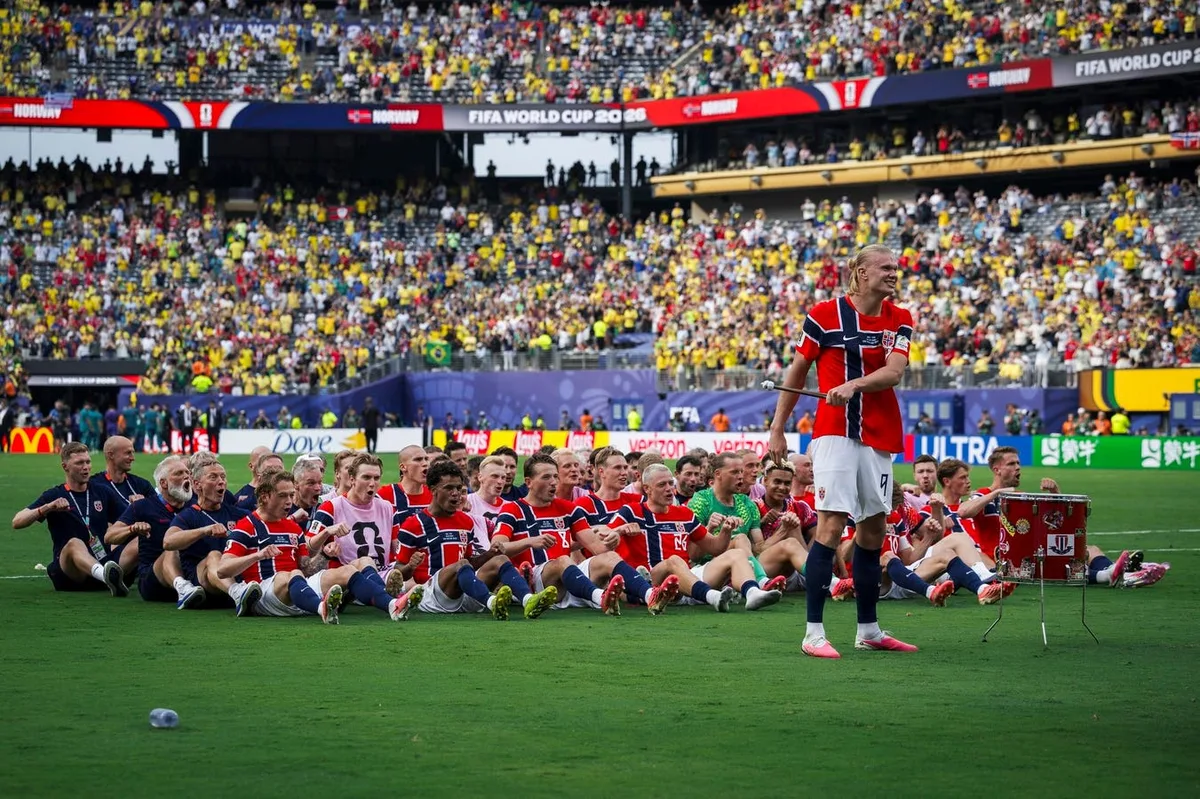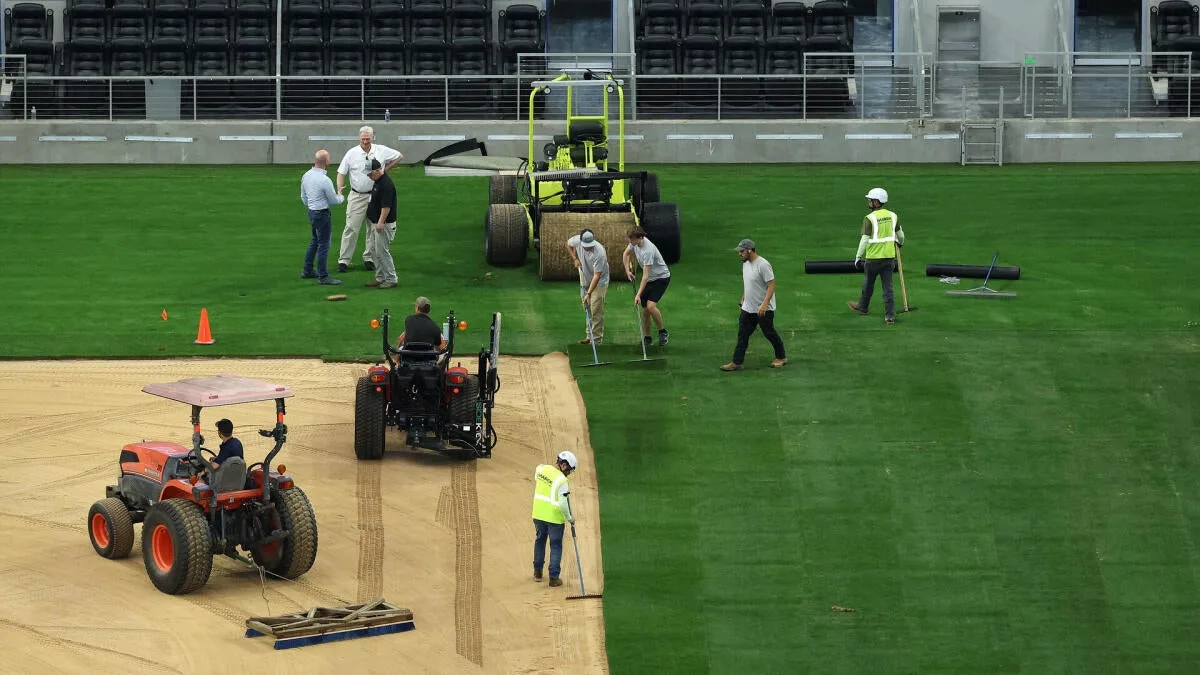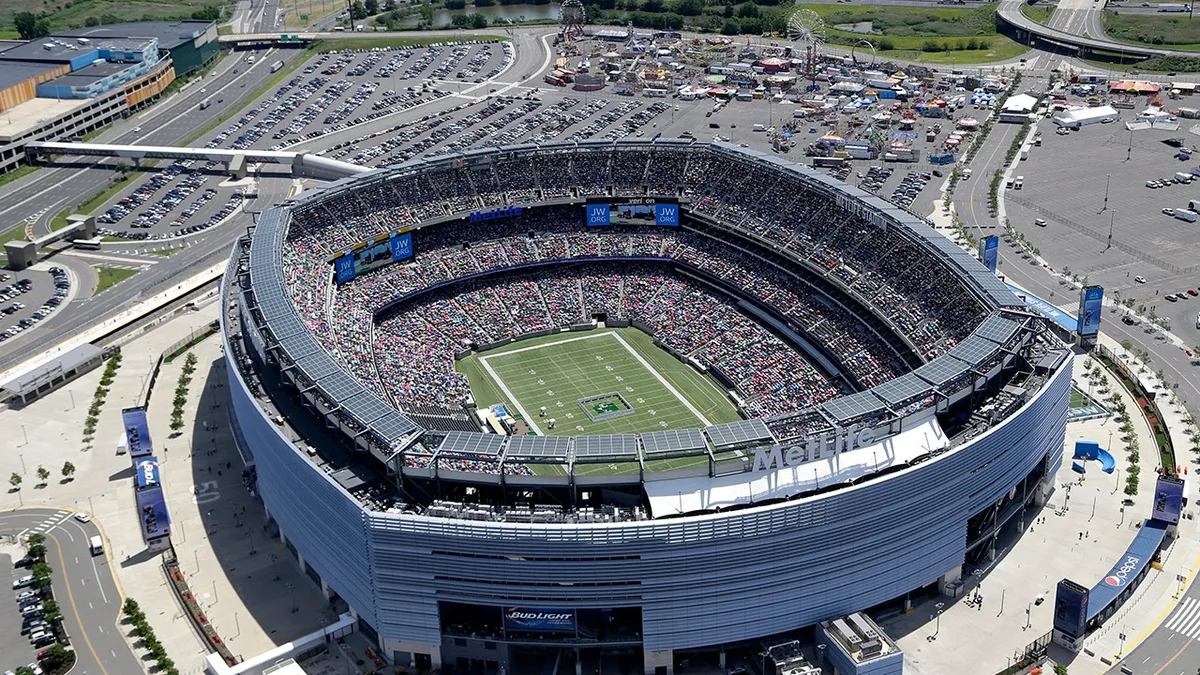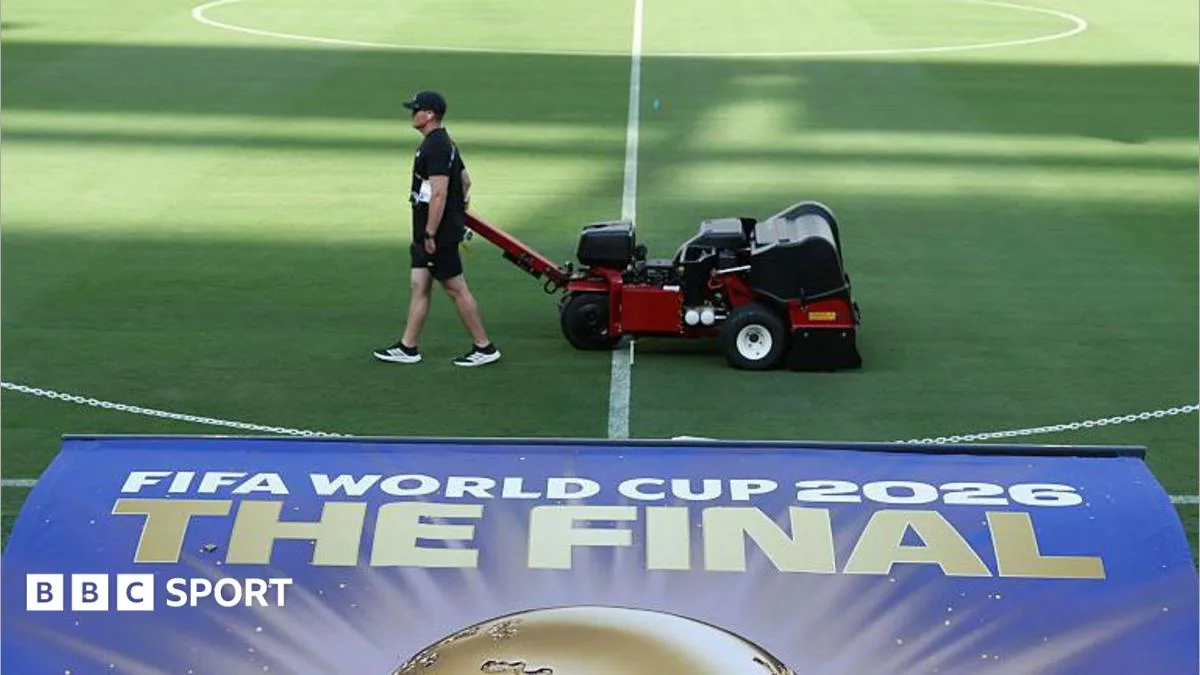
Seven NFL stadiums replaced artificial turf with natural grass to meet FIFA requirements during the 2026 World Cup, held from July 8 to August 5 across 11 stadiums in the U.S. and Canada [1, 2, 3, 4]. Among these, six stadiums used North Carolina Bermuda grass, including MetLife Stadium, which hosted the final where Argentina defeated Spain on August 5 [5, 6, 4].
After the World Cup ended, these stadiums began removing the temporary natural grass and reinstalling artificial turf for the upcoming NFL season [5, 6, 4]. Despite this, 92% of NFL players strongly prefer natural grass over artificial turf, according to an NFL Players Association (NFLPA) survey [1, 2, 3]. Players argue that natural grass reduces injury risk, citing data showing higher injury rates on turf surfaces [1, 3, 7].
Leading voices among players have taken a public stance. Caleb Williams asked, "Why can't we have this too?" while Jonathan Taylor said, "Natural grass isn't out of reach. Prioritizing players shouldn't be either" [1]. Zaire Franklin added, "The cost of doing nothing is paid for by players’ bodies. Make grass mandatory" [1]. Laremy Tunsil noted, "If stadiums can make grass work for the World Cup, they can make it work for NFL players. We're #WorthTheCost" [2]. George Kittle stated, "We've made it clear that we prefer grass fields. We know it's better on our bodies. And clearly, we know it's possible based on everything that went into putting down grass fields for the World Cup in each stadium" [2].
The NFLPA launched a social media campaign using the hashtag #WorthTheCost to advocate for permanent natural grass fields [1, 2, 3, 7, 4]. The association issued a statement on August 1 ahead of the World Cup final, highlighting that "the technology exists, the expertise exists and the resources exist" to provide high-level grass fields that players overwhelmingly prefer [1].
Currently, about 15 NFL stadiums use natural grass regularly, while roughly half use artificial turf [1]. Implementing permanent grass league-wide would raise costs for teams due to higher maintenance demands and reduced flexibility for other stadium uses [5, 6, 4]. A source from the NFLPA said in Chinese that asking for natural grass means giving up something, often money, and players may need to accept lower salaries or share costs of installation and upkeep as part of collective bargaining negotiations [5].
The NFLPA is considering formally including a demand for league-wide natural grass fields in the next collective bargaining agreement after the current one expires in 2031 [5, 6, 4]. The final outcome will depend on negotiations but players and the union have made their position clear.
The NFL season is set to begin later this month, with stadiums currently switching back to artificial turf following the World Cup run. The next major deadline for the league and players union will be the 2031 collective bargaining agreement talks, where the push for natural grass fields could gain official leverage.