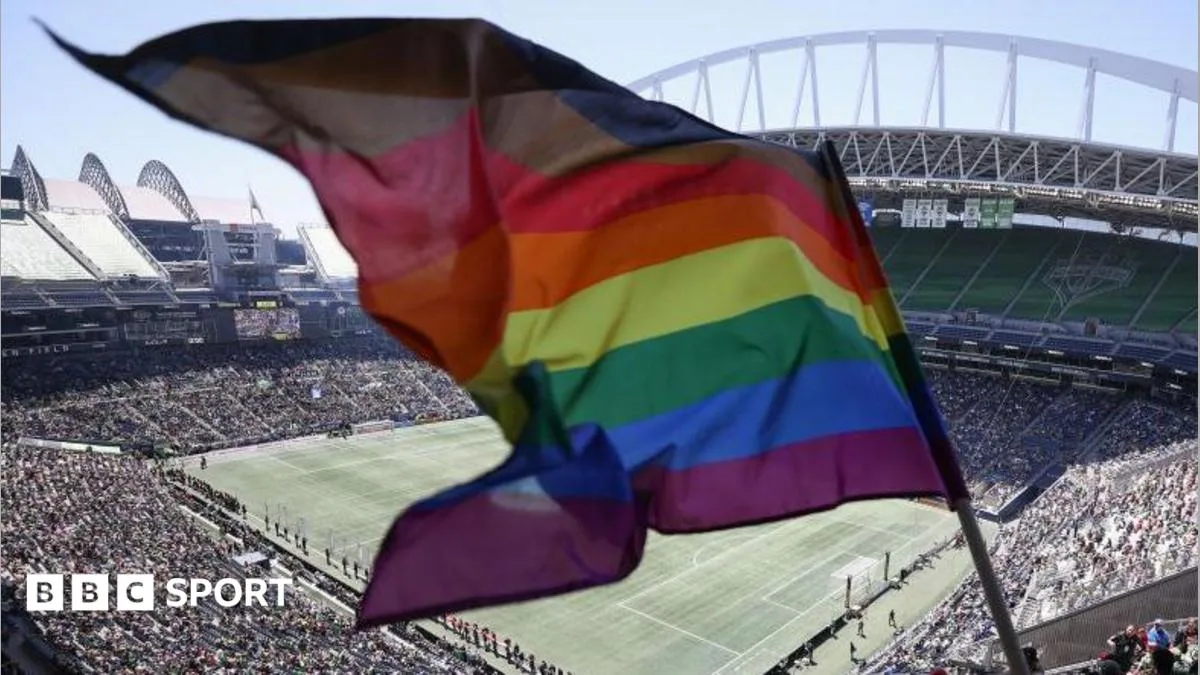
Egypt and Iran faced off in the final Group G match of the World Cup on June 26, 2026, in Seattle. The game was designated as Seattle’s "Pride Match," coinciding with the city's Pride weekend celebration, a tradition held for over 50 years [1, 2, 3, 4, 5, 6]. Despite objections from both teams over the Pride-related festivities due to cultural and religious values that criminalise homosexuality in their home countries, the local organizing committee confirmed that the match would proceed as planned independent of FIFA [1, 2, 3, 4, 5, 6].
FIFA stated that fans could bring rainbow flags inside the stadium but distanced itself by saying it was not a "FIFA Pride Match," calling the tournament an inclusive event welcoming people of all sexual orientations and gender identities [3, 4]. Seattle Pride event organizers emphasized the timing was to celebrate local identity, not to provoke [4, 5]. Hedda McLendon of Seattle Pride said, "The World Cup is going to come and go in three weeks. The Pride celebration ... has happened on this weekend for 50-plus years" [1].
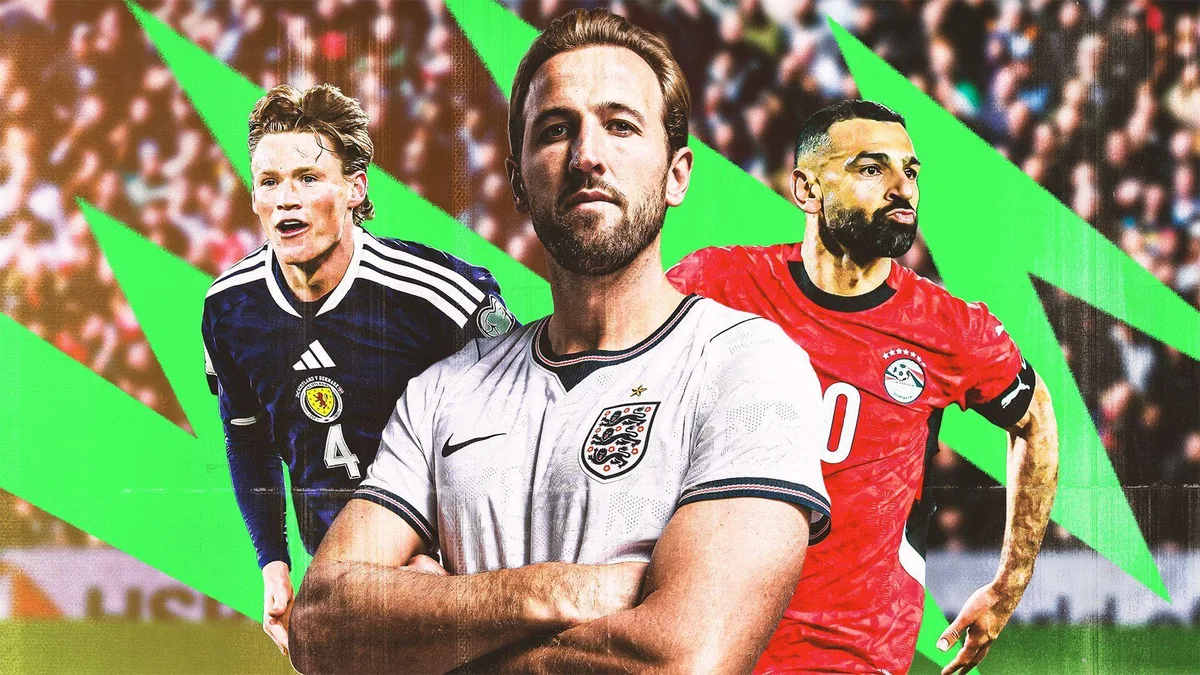
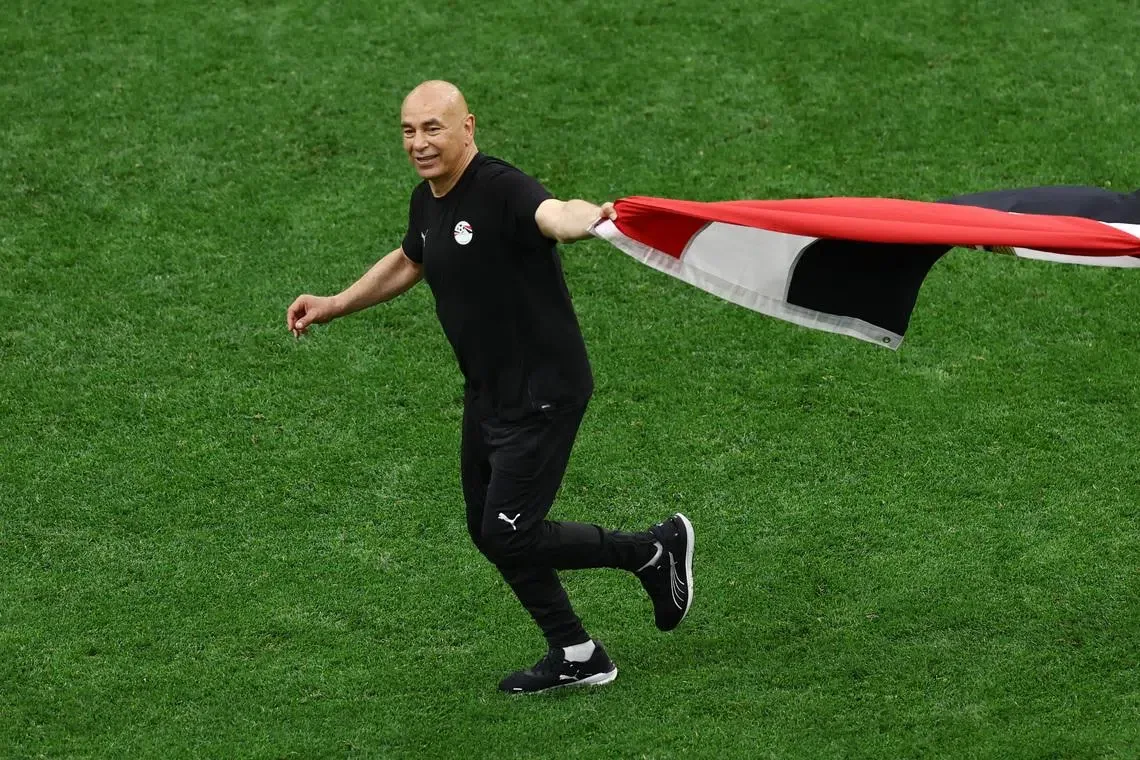
Egypt entered the match leading Group G after winning their first World Cup game earlier in the tournament. Mohamed Salah was noted for playing in a new creative role, one goal shy of Egypt’s all-time scoring record, with coach Hossam Hassan focusing purely on the football, saying, "We are concerned with football on the pitch ... respect and fair play as rules for everyone to abide by" [2, 7, 6].
Iran had drawn their two previous matches against Belgium and New Zealand. A win would have given them an outside chance to top the group [2, 8, 6]. The team faced significant challenges arriving in the US due to ongoing geopolitical tensions. The US initially restricted Iran’s arrival to only one day before their matches at the World Cup, but later eased this to two days before the Seattle game [2, 9, 10, 8, 11]. Iran’s coach Amir Ghalenoei said, "The host country treated us very unfairly ... Had the host nation allowed us to arrive two weeks earlier, to be more prepared ... we would have been in better shape" [10]. Captain Mehdi Taremi added, "FIFA, they have to solve every problem here but unfortunately they couldn't stop, since the beginning" [9].
The match ended in a 1-1 draw. Iran appeared to score a late winner that was disallowed after a VAR offside review [9, 8, 11]. After the game, Iran left a handwritten note thanking Seattle for its hospitality but lamenting the need for fairness and honor in football, stating "Fairplay is not just a line in football's rules, it is the soul of the game" [11].
Both teams said they were focused only on football. Ghalenoei declined to speak on Pride celebrations, saying, "We are here to play football, not for other things... we only talk about the match" [12, 4]. Some members of Seattle’s local LGBTQ+ community saw hosting the Pride Match as an opportunity to promote acceptance despite mixed feelings [1, 5].
The World Cup draw in December 2025 had designated the June 26 match in Seattle as the Pride Match before the teams were known [1, 2, 3, 6]. FIFA and Seattle organizers confirmed rainbow flags would be allowed inside the stadium on June 25, a day before the game, reflecting the event’s inclusive intentions [3, 4].
Iran’s post-match thank-you note was released on June 27, reflecting on the experience amid controversy [11].