The Southeastern Conference (SEC) began playing a 9-game conference football schedule starting this fall, increasing the difficulty and consistency of conference matchups across the league [1, 2]. The shift from the previous 8-game schedule followed six years of debate and was finally approved last fall after extensive discussions among coaches [1, 2].
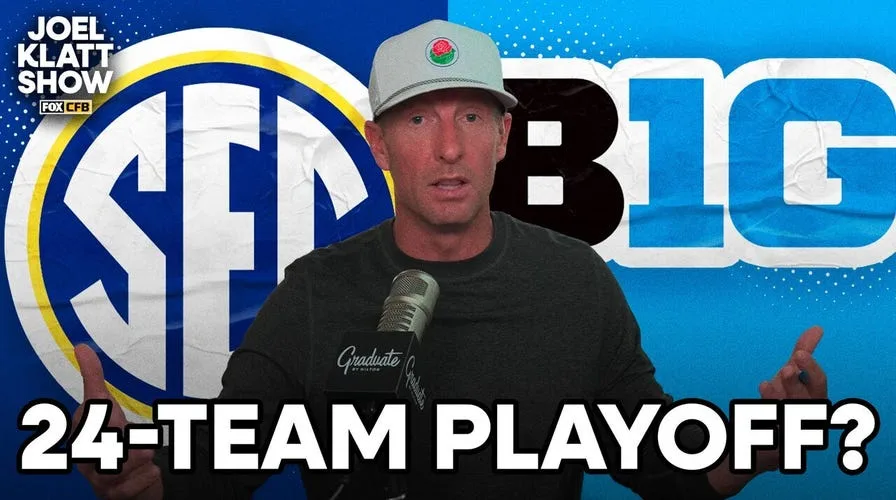
Coaches largely supported the 9-game schedule expecting it would push the College Football Playoff (CFP) to expand from 12 to 16 teams. However, the playoff field has remained at 12 teams, with disagreements between the SEC and Big Ten slowing any proposed expansion [1]. At the SEC spring meetings on August 16, College Football Playoff executive Rich Clark updated the selection committee processes, but coaches continued to express frustration [1].
Jon Sumrall, an SEC coach, said, "Talking to the other coaches, they felt like by going to nine games, they felt like it would shift the playoff model (to 16 from the current 12), but it didn’t. They felt misled" [2]. Eli Drinkwitz recalled the long process: "It took us six years to get to nine games. Shoot, I remember last year we were told if we went to nine games the Big Ten would vote for a 16-team playoff in 2026 and, I think, we’re still at a 12-team playoff" [2].
The expanded 9-game conference schedule is designed to create tougher schedules and allow more consistent comparisons between conferences [2]. Lane Kiffin, formerly at Ole Miss, was known for using the previous 8-game conference slate combined with four non-conference games to strategically schedule easier opponents and start seasons 4-0 [2]. Georgia coach Kirby Smart supports the 9-game schedule but criticizes the playoff system for not adequately recognizing strength of schedule. He said, "Now, you could say there may be regret in there going to nine. I'm not blaming the committee, I'm blaming the system, because I don't know that they can recognize and acknowledge, truly, and say strength of schedule matters" [1].
As the 2026 football season unfolds under the new 9-game SEC conference format, coaches and officials continue monitoring College Football Playoff discussions amid hopes for future expansion or reform.