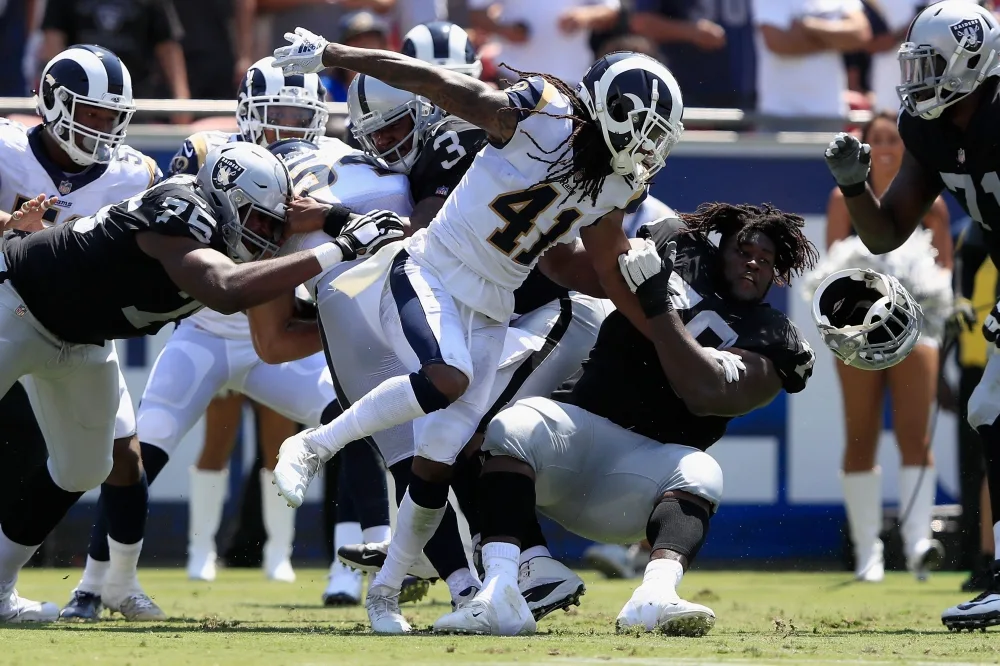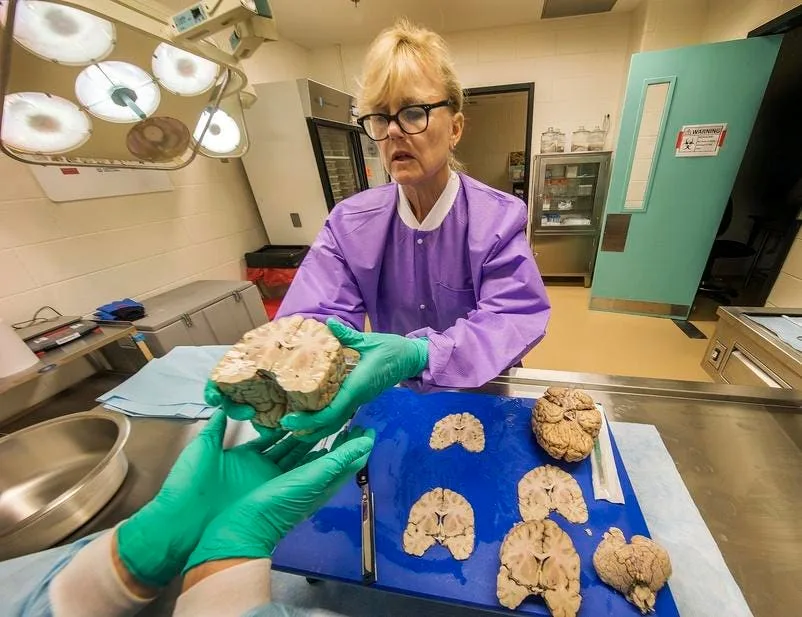
A retrospective cohort study published on August 25, 2026, in the British Medical Journal found that among 878 former NFL players who died between 2016 and 2021, at least 24.5% showed evidence of chronic traumatic encephalopathy (CTE) at death [1, 2, 3]. The study analyzed personal and cause of death information as well as brain examinations from 235 players, confirming CTE in 215 of those brains [1, 3, 4].
CTE is a progressive neurodegenerative disease caused by repeated head trauma. It can only be definitively diagnosed after death through brain examination [1, 3, 4]. Common symptoms include memory loss, emotional instability, difficulty walking, and elevated suicide risk [3, 4].
The researchers noted that among all brains donated by NFL players studied over a longer period, about 93% showed CTE [2, 5]. They estimated a theoretical maximum prevalence approaching 97% in the 2016-2021 cohort, with the true figure likely between the minimum 24.5% and this maximum [1, 2, 3].
There was a strong link between severe stage IV CTE pathology and clinical dementia diagnoses before death in former players [2, 3]. The study authors stated, "Together, these findings indicate that NFL players have a higher prevalence of CTE at death than has been previously shown in multiple community-based studies" [3].
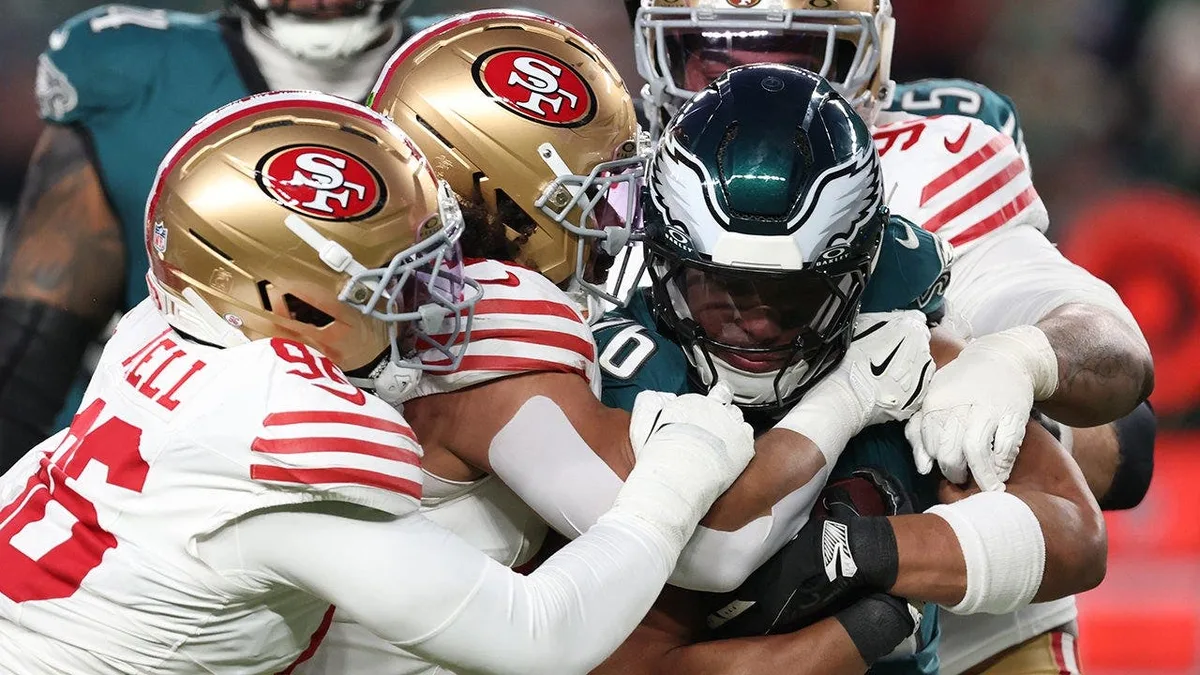
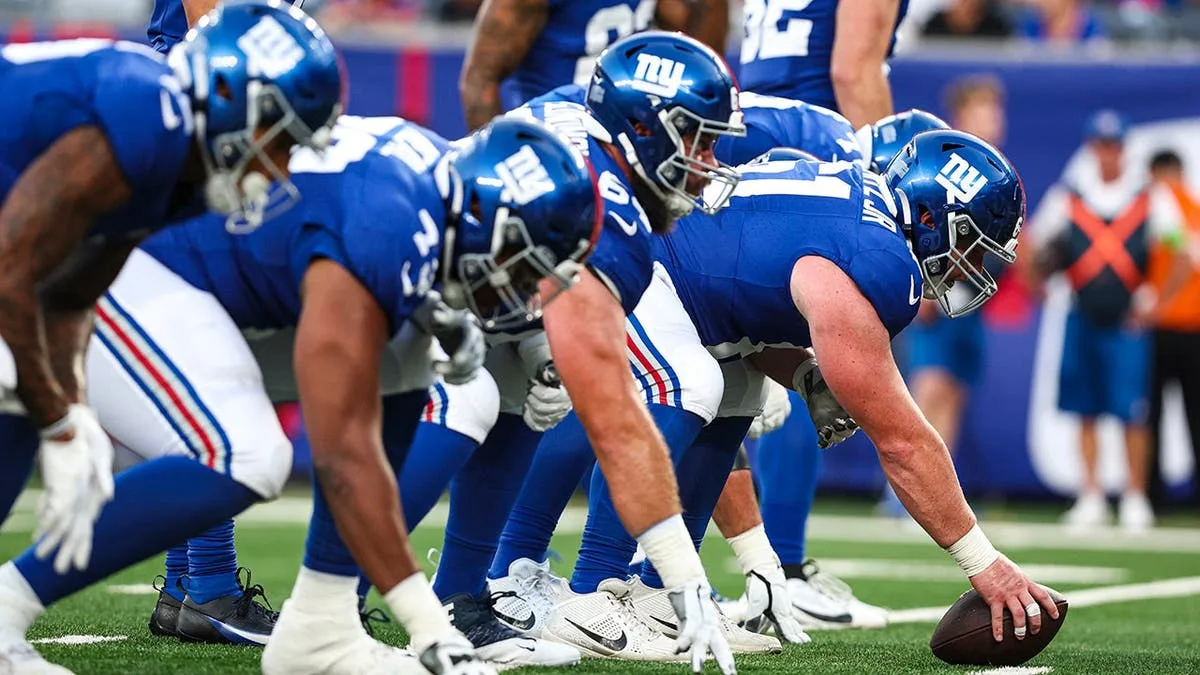
CTE has been linked to contact sports, notably American football and boxing, where repeated head impacts are common [1, 3, 4]. Based on current NFL rosters of 1,696 active players, the study suggests roughly 415 could develop CTE during their lifetimes, though this estimate has medium confidence [4].
The study’s findings underscore significant health risks linked to repeated head trauma in professional football. The research analyzed a cohort of deaths and brain donations from 2016-2021, the period with the highest brain donation rates for CTE examination among former NFL players [1, 3, 4].