FIFA announced on July 28, 2026, its plan to create a $20 billion subsidiary responsible for managing the World Cup and other events, offering up to a 20% stake to external investors [1, 2]. This move marks one of FIFA’s largest efforts to monetize its assets beyond traditional revenue streams.
Despite FIFA President Gianni Infantino’s efforts to build relations with U.S. political figures, including awarding Trump FIFA’s inaugural Peace Prize in December 2025 [2], President Donald Trump publicly denied any discussions with Infantino about the investment plan. On July 31, 2026, Trump responded with a simple "No." when asked if he had spoken with Infantino on the matter [2].
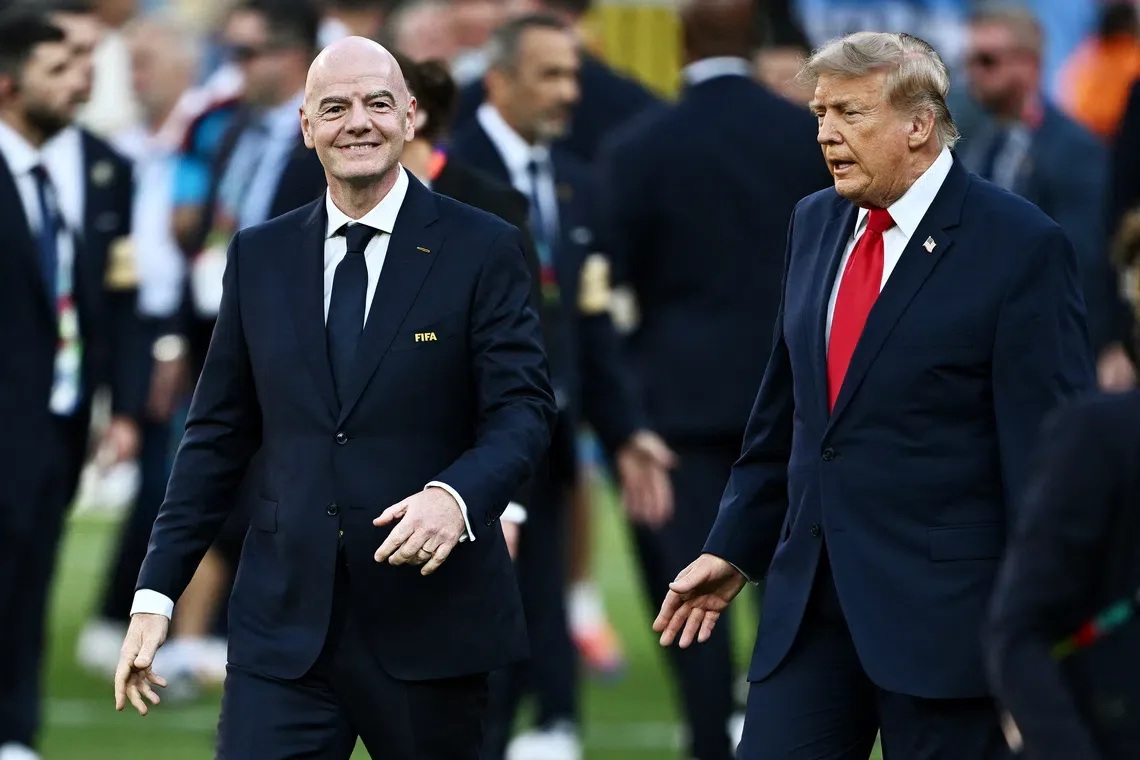
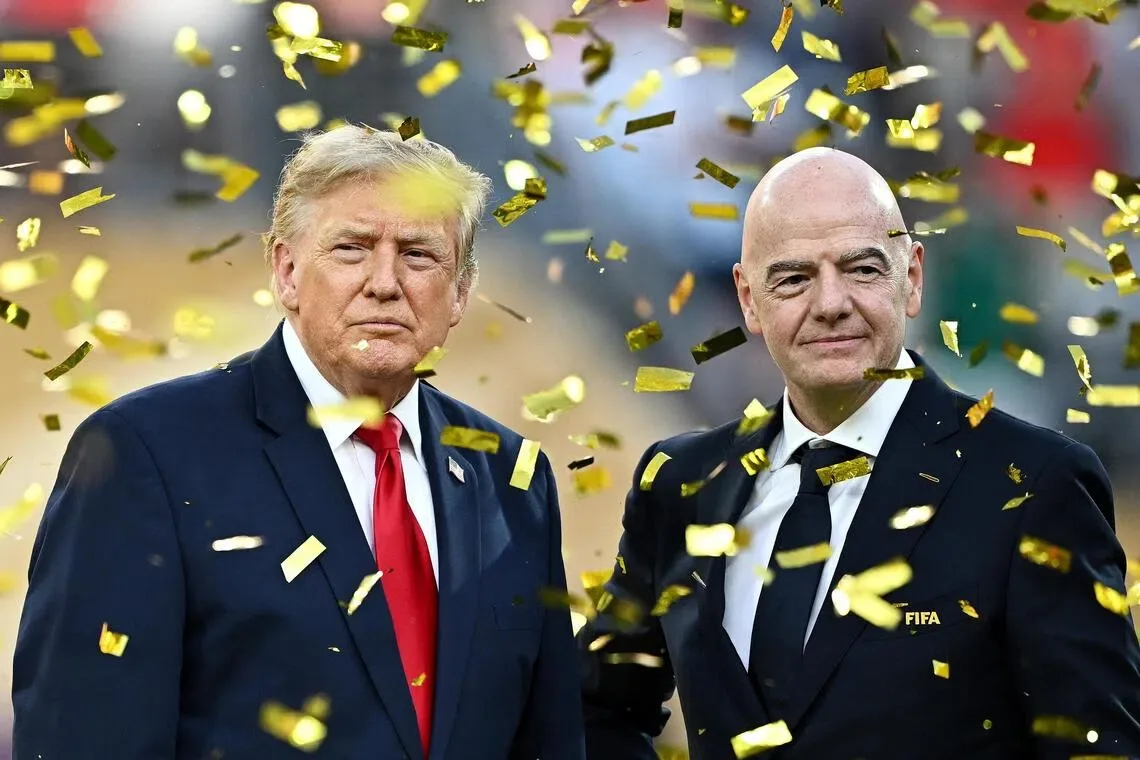
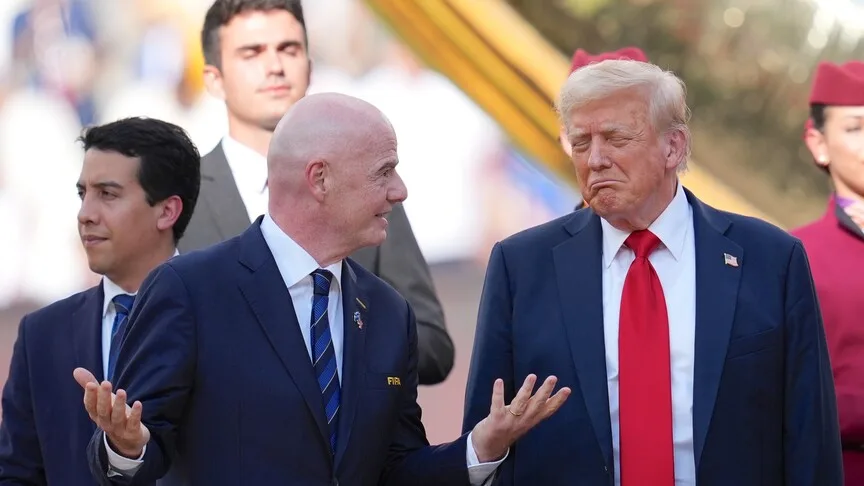
Trump and Infantino share a close relationship following the 2026 FIFA World Cup held in the United States, which helped raise the profile of both figures internationally [3, 4, 1, 2]. The connection between the two was partly fueled by Infantino’s outreach efforts throughout 2026.
A separate aspect of the deal involves a vehicle founded by Joshua Kushner, brother of Jared Kushner, who is Trump’s son-in-law. This vehicle is expected to lead the group of investors interested in acquiring a stake in the new FIFA subsidiary [3, 4, 1].
The creation of the subsidiary and its partial opening to outside capital underscores FIFA’s intent to leverage its assets in new ways by bringing private investment into its operations [3, 4, 1, 2]. With stakes offered up to 20%, investors will have a significant role in the subsidiary’s future revenue streams tied to FIFA events.
Following Trump’s denial, FIFA has yet to comment publicly on any direct talks between its president and the former U.S. leader. The next key event will be the formal launch of the subsidiary’s investment process, expected in the upcoming months as FIFA seeks to finalize its investor roster [3, 4, 1].