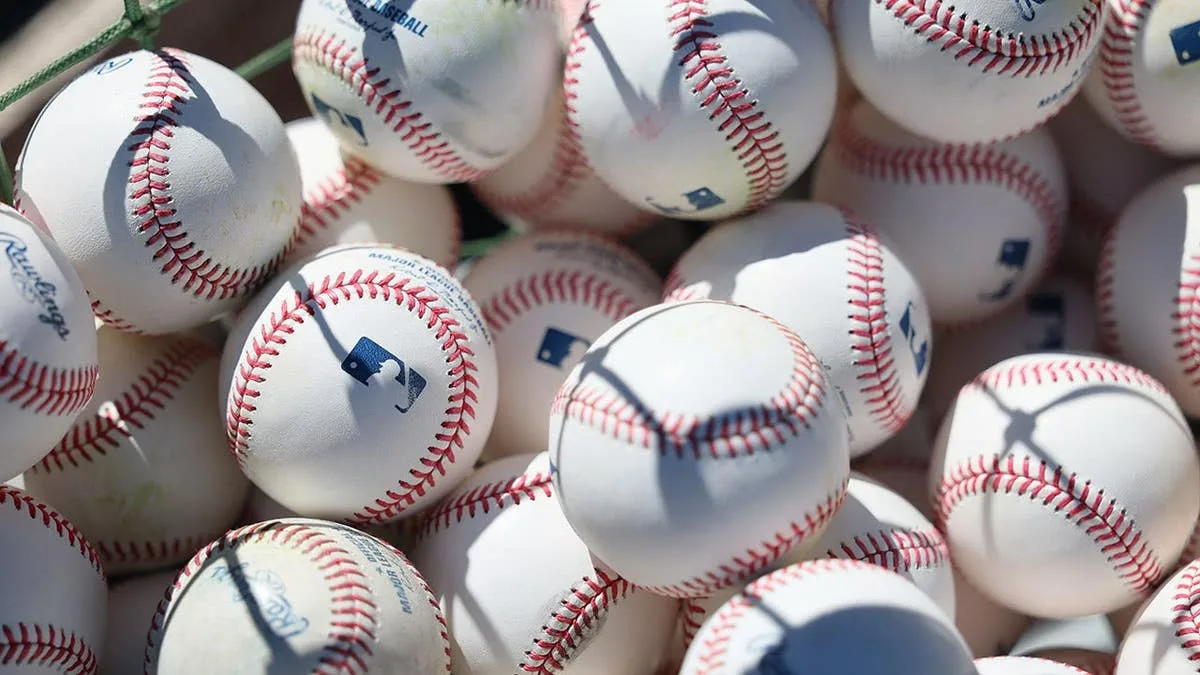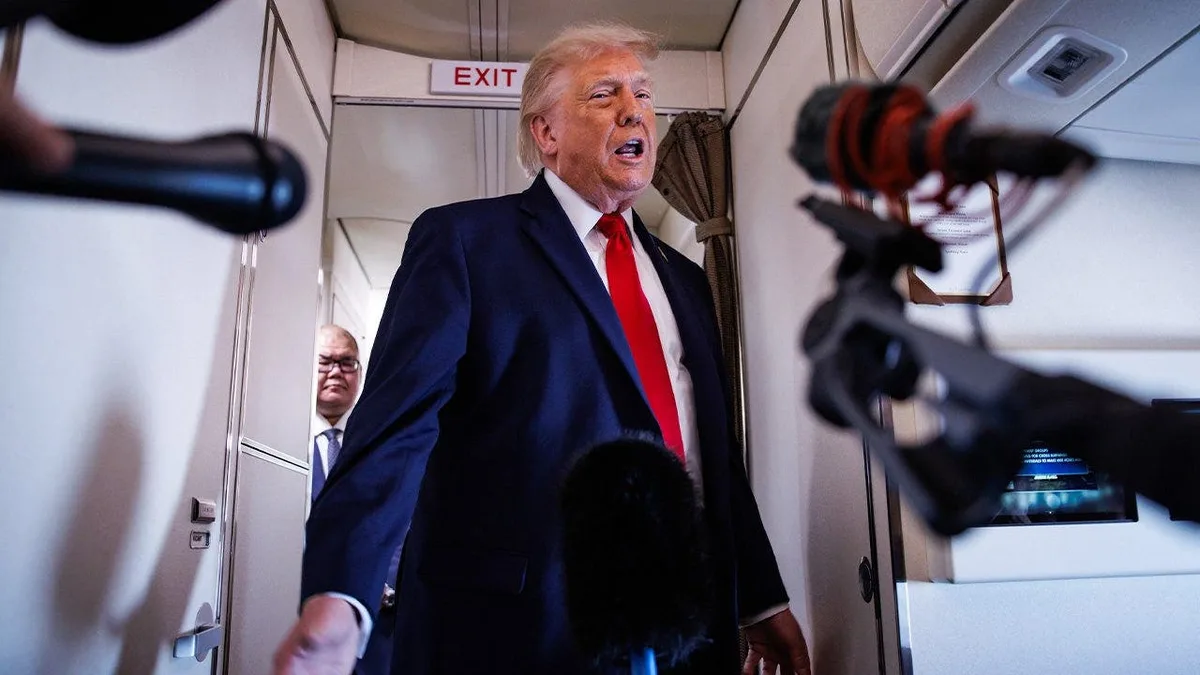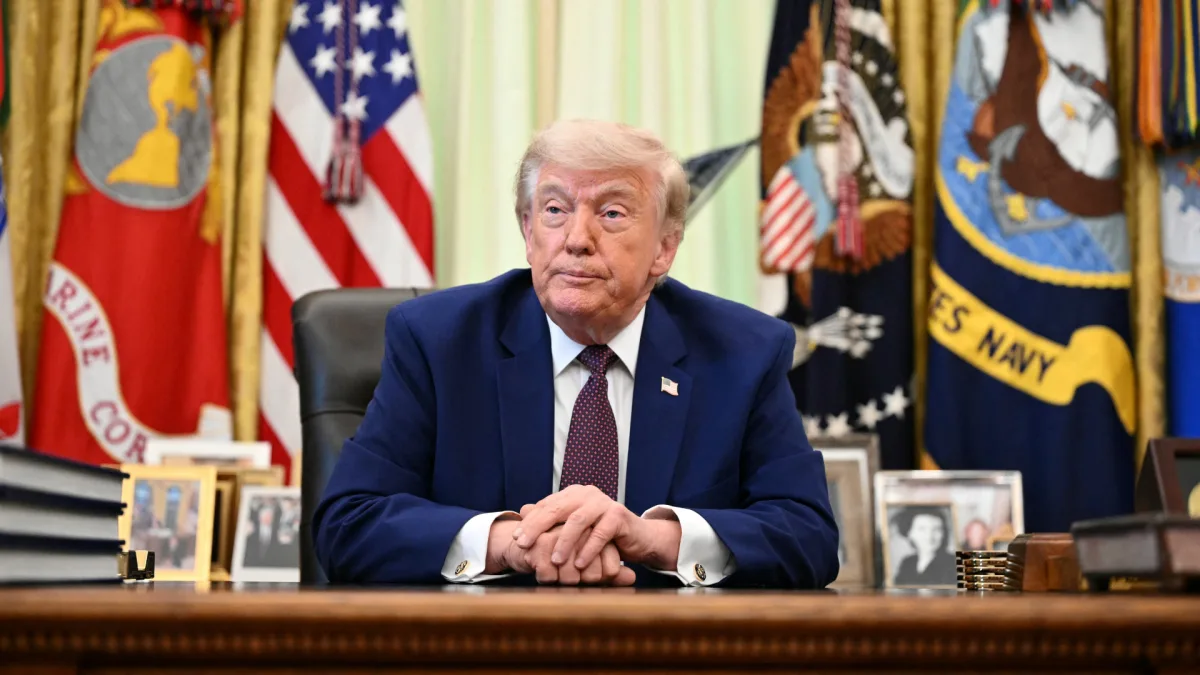
President Donald Trump urged Major League Baseball to institute a salary cap, saying, "If you don't have a salary cap, you don't have a sport, because they can't help themselves. Football has a salary cap. They should have done it a long time ago." He compared MLB unfavorably to leagues like the NFL, NHL, and NBA, which have salary caps in place [1, 2].
Trump called it "shocking" that MLB did not establish a salary cap years ago despite having opportunities, adding, "They had a chance to do a cap, and they blew it" [2]. His comments come as the current MLB collective bargaining agreement is set to expire following the 2026 season, with salary cap negotiations expected to be one of the key issues during the offseason talks [1].
The MLB league has proposed implementing a salary cap of $245.3 million starting in the 2027 season [2]. Under this proposal, a salary floor of $171.2 million would also be set. Currently, nine teams exceed the proposed cap, while 12 are below the floor. For example, the Los Angeles Dodgers have the highest Opening Day payroll for the 2026 season at $415.2 million, compared to the Miami Marlins’ $81.8 million [1, 2].
MLB generated estimated revenues of approximately $12.5 billion in 2025, highlighting the financial scale behind the salary cap debate [1].
The MLB Players Association opposes a hard salary cap, advocating instead to maintain the market-driven system and increase revenue sharing. Bruce Meyer, interim executive director of the MLBPA, said, "Our goal is to preserve and improve baseball's market system, rewarding competition on and off the field. Additionally, the players' proposals provide increased revenue sharing initially guaranteeing every small market club a minimum of $240m in revenue every season" [1].
The expiration of the current collective bargaining agreement in the 2026 offseason sets the stage for potentially contentious negotiations over the proposed salary cap and other economic structures of MLB contracts [1].