The US men's soccer team finished first in Group D at the 2026 World Cup with victories over Paraguay and Australia, scoring more goals than in any previous tournament. They lost their final group match 3-2 to Turkey but still secured the top spot in the group stage [1, 2, 3]. Head coach Mauricio Pochettino stressed the group win despite the setback, saying, "I need to remind everyone we won the group, sorry guys, we won" [1].
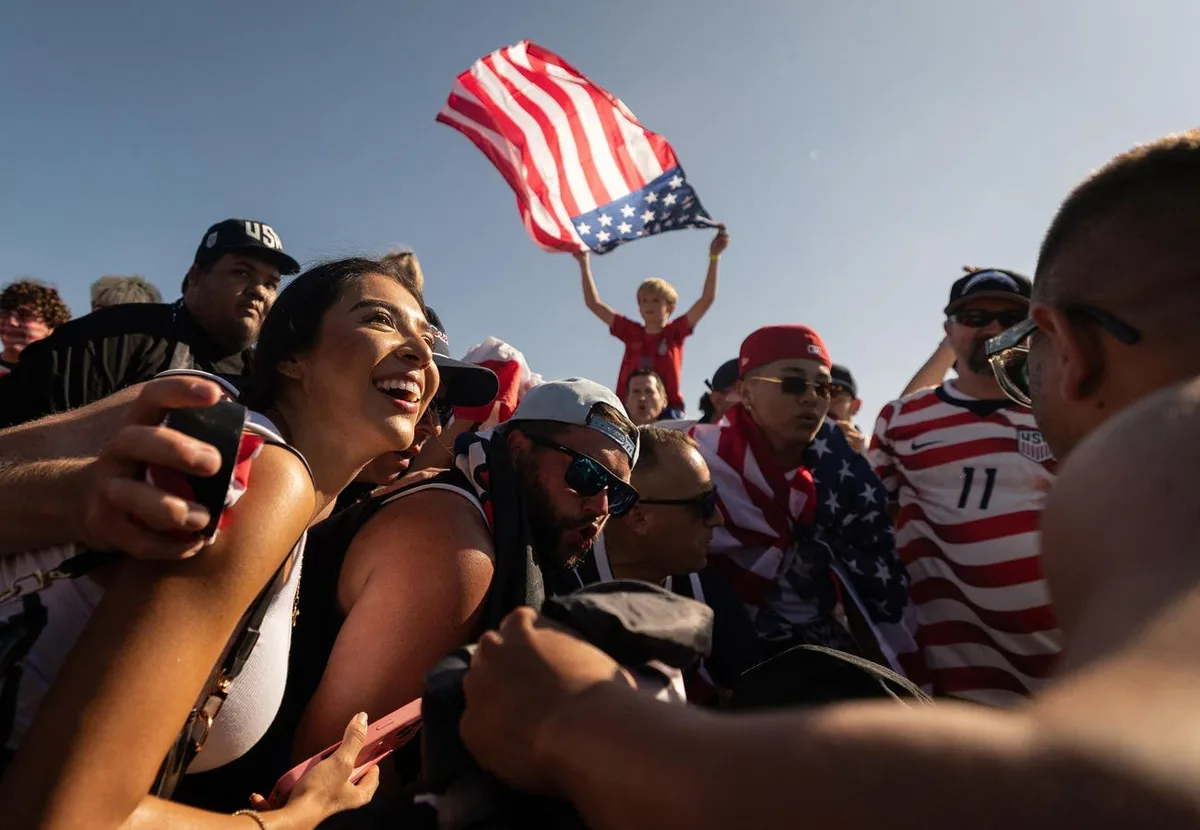
American soccer fans are showing increased enthusiasm for the sport as the national team’s more offensive style captivates audiences. Matt Movahhed, a business consultant, noted, "They play a more offensive style, and I think that makes me want to pay attention more – and it probably has the same effect on other Americans" [1]. Fans like Ian Bjerke, a physical therapist, described the game as "exciting" and "fast-paced," adding, "That just shows my commitment to this team. I’m usually more into baseball, and I have to say, it’s been fun to watch" [1].
The World Cup’s cultural impact extends beyond soccer itself. Viral moments involving fans from Scotland, Norway, and the Netherlands have energized local communities in US cities such as Boston, Miami, New York, and Kansas City, increasing engagement with the tournament [1, 2, 3]. Professor Amy Bass said the event is "more than a sporting event," with fan stories and cultural experiences drawing widespread attention. She pointed to the viral social media posts by a German fan nicknamed "Freddy," who shared his travels and experiences across the American South, including visits to gas stations and trying local foods [1].
International visitors have marveled at distinctive aspects of American life during the World Cup, like large food portions, unlimited soda refills, and convenient gas stations. Freddy’s social media posts have drawn millions of views: 7 million for his Waffle House visit, 25 million for a gas station post, and 10 million for a ranch dressing fan post [4]. American reactions to this viral attention range from pride to skepticism about the authenticity of some posts [4].
The US team’s strong group stage finish and the vibrant cultural engagement around the tournament have amplified interest in soccer across the nation [1, 2, 3]. The next phase of the World Cup will determine how far the US team can advance in the knockout rounds.