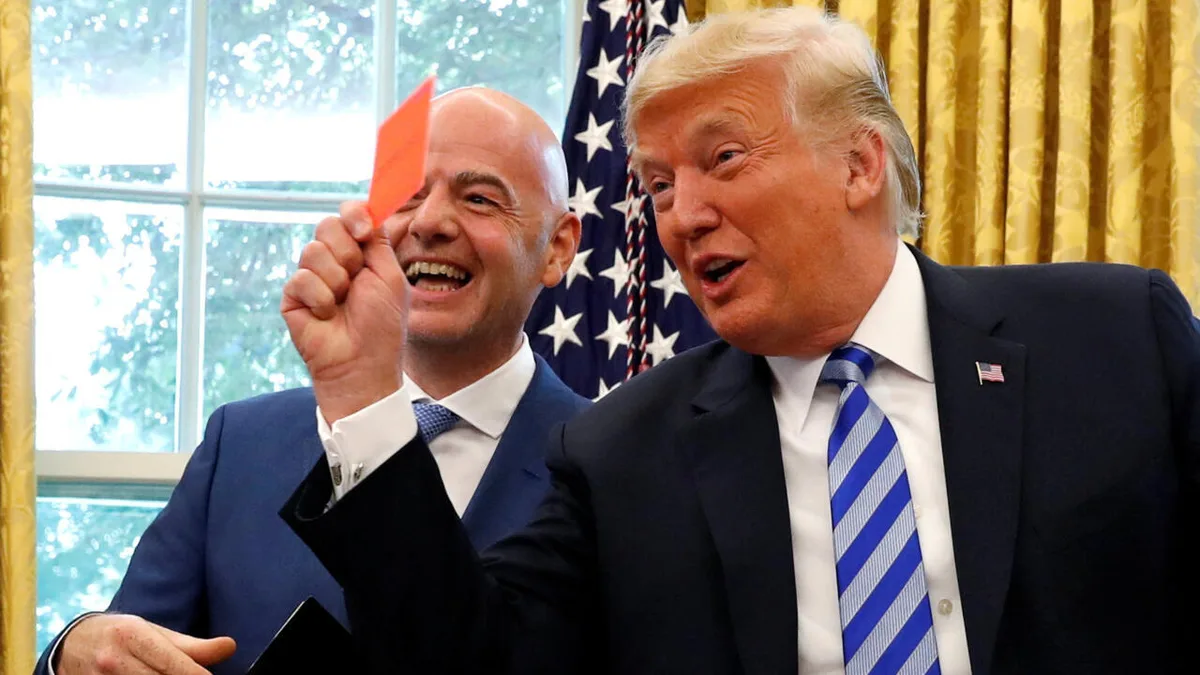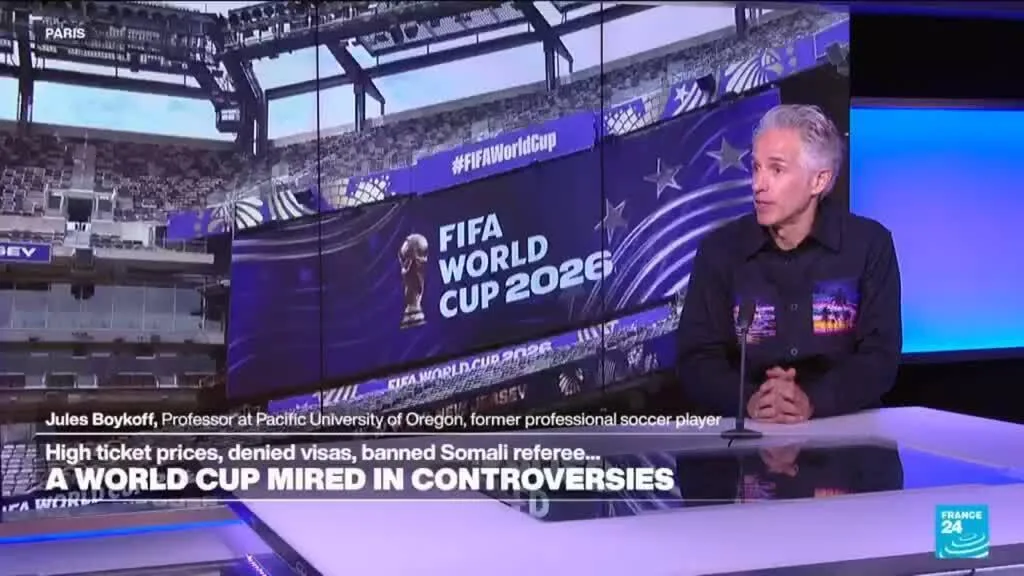
The 2026 World Cup, expanded to a record 48 teams, aimed to include smaller footballing nations in a tournament co-hosted by the US, Canada, and Mexico [1, 2, 3, 4]. FIFA promised the US would welcome visitors from around the world. However, rights groups say strict US visa rules shut out many fans, workers, and officials contrary to those promises [1, 2, 3, 4].
Ronan Evain, Executive Director of Football Supporters Europe, reported that fans from Morocco, Egypt, Jordan, Iraq, and Uzbekistan faced serious difficulties obtaining visas. "A country like Morocco, we're still struggling to look for anyone that was able, any ticket holder that was able, to get a visa for the World Cup," he said. "The claim that FIFA has made welcome to the world, unite the world to the World Cup has largely failed" [1].
Additionally, Somali World Cup referee Omar Abdulkadir Artan was barred from entering the US despite holding a valid visa [1, 2, 3, 4]. The Sport & Rights Alliance accused FIFA of enabling a "distinctively dangerous climate of fear" amid immigration crackdowns under the Trump administration [1, 2, 3, 4]. US Homeland Security Secretary Markwayne Mullin defended the visa denials, saying the department consulted with FIFA officials to exclude individuals linked to suspected terror organizations [1].
Some nations were underrepresented in stadiums due to widespread visa suspensions. Senegalese fans, for example, saw fewer tickets used after visa issuance was suspended for most citizens from their country [1, 2, 3, 4].
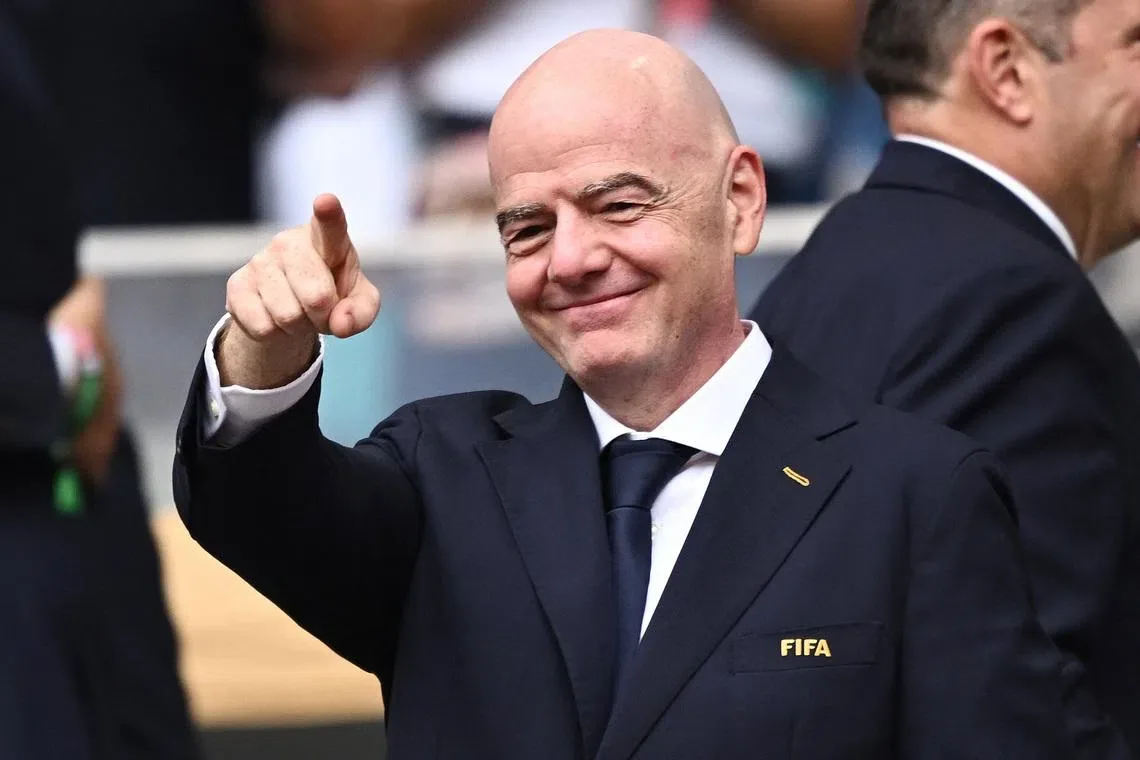
FIFA President Gianni Infantino downplayed concerns, telling critics to "chill, relax," while emphasizing immigration policy remains the responsibility of national authorities [1, 2, 3, 4]. The tournament also marked notable milestones, including Haiti's return after 52 years and the largest number of teams ever to compete, up from 32 to 48 [1, 2, 3].
On July 17, the Sport & Rights Alliance openly criticized FIFA and US visa policies for excluding fans and workers from the tournament [1, 2, 3, 4]. The group plans to publish a detailed report on human rights issues connected to the World Cup in September 2026 [1, 2, 3, 4].