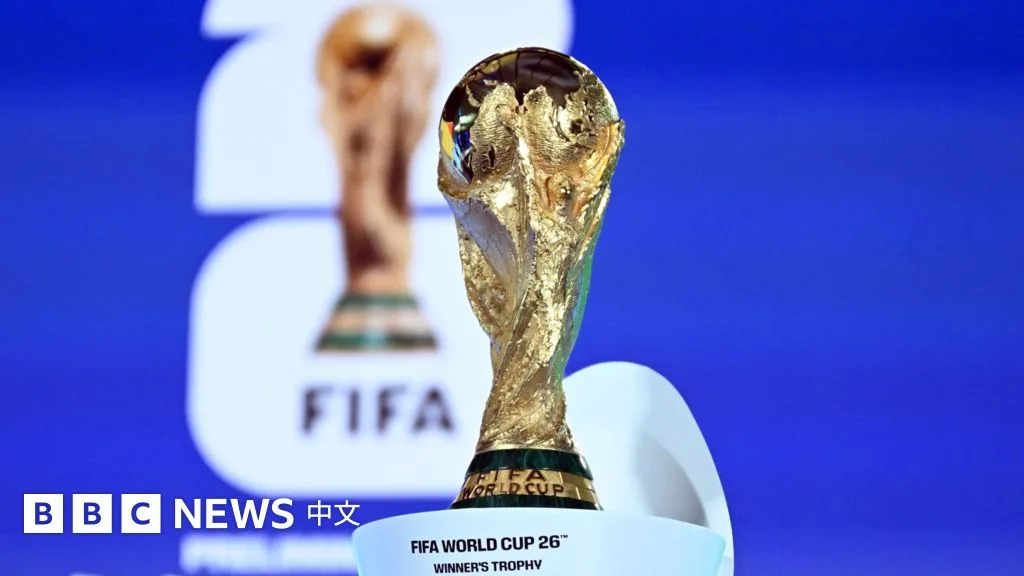
The 2026 FIFA World Cup will be the largest in history, with 48 teams competing in 104 matches across 16 cities in the United States, Canada, and Mexico from June 11 to July 19, 2026 [1, 2, 3, 4, 5, 6]. The tournament uses a new format featuring 12 groups of four teams each. The top two teams from each group plus the eight best third-placed teams will advance to a 32-team knockout stage [1].
The opening match is scheduled for June 11 at Estadio Azteca in Mexico City, where Mexico will face South Africa [1, 2, 6]. Beyond that, there will be three separate opening ceremonies in the three host countries: Canada hosts Bosnia-Herzegovina in Toronto on June 12, while the US plays Paraguay in Los Angeles the same day [2]. Los Angeles' SoFi Stadium will also host its first World Cup match on June 12 and is planned to host eight matches in total. Security in Los Angeles will be extensive, involving federal and local law enforcement focusing on crowd control, counterterrorism, emergency drills, drone threats, and preventing human trafficking. Nathan Hochman, Los Angeles County District Attorney, warned that "the World Cup is not a good time for crime," pledging zero tolerance for drunk driving, brawls, hate crimes, fake tickets, and counterfeit goods during the event [3, 4].
The final will be played on July 19 at MetLife Stadium in New Jersey, USA [1]. Earlier knockout matches on July 4 in Houston and Philadelphia will coincide with US celebrations for the country’s 250th anniversary [2].
Among the 48 qualified teams are four making their World Cup debuts: Curacao, Cape Verde, Jordan, and Uzbekistan. Curacao will be the smallest nation ever to participate [1, 5]. Top tournament favorites include Spain, France, Argentina, England, and Brazil. Data models give Spain the highest chance of winning, at 26% [1, 7, 8, 6]. Goldman Sachs economist Jan Hatzius said, "Our forecast aligns with historical patterns: when a South American team wins the current World Cup, the next champion almost always comes from Europe" [7].
Concerns remain over US immigration policies affecting fans from some qualifying countries who face visa restrictions and potential Immigration and Customs Enforcement (ICE) enforcement during the tournament. Human Rights Watch's Minky Worden noted, "The World Cup was originally touted as the most inclusive ever with a full human rights framework, but the US’s current human rights and immigration environment sharply contrasts FIFA’s proclaimed inclusivity" [9].
Taiwanese broadcaster ELTA Sports has secured rights to air the tournament on cable channels CTS and ETTV, and online via ELTA.tv and Hami Video [10, 6].
The World Cup kicks off on June 11, with matches continuing until the July 19 final.