The WNBA stated on August 15, 2026, that no immediate eligibility matters related to transgender athletes exist in the league, amid heightened public debate after two former NBA players declared for the 2027 WNBA draft identifying as female [1, 2].
The league requires that players be women but does not specify eligibility conditions based on gender identity or sex assigned at birth. WNBA Commissioner Cathy Engelbert acknowledged the complexity of transgender issues in a memo to team presidents and general managers, saying, "We recognize that this is a complex and nuanced topic, and we will continue to have important conversations with all of you and the Players Association in the weeks and months ahead" [1].
The declaration of eligibility by Enes Kanter Freedom and Royce White in early August raised questions about policy and participation. The WNBA confirmed there is no publicly formalized policy on transgender player participation; eligibility rules are collectively bargained [1, 2].
The league convened its anti-hate task force on August 12 to address online abuse targeting players, including issues related to transgender athletes, culminating in a statement released August 13 denouncing bad-faith actors who use transgender topics to marginalize individuals. "There are no immediate eligibility matters affecting the WNBA, and we strongly denounce the bad-faith efforts to use these topics to demean or marginalize others," said a league spokesperson [1, 3, 2].
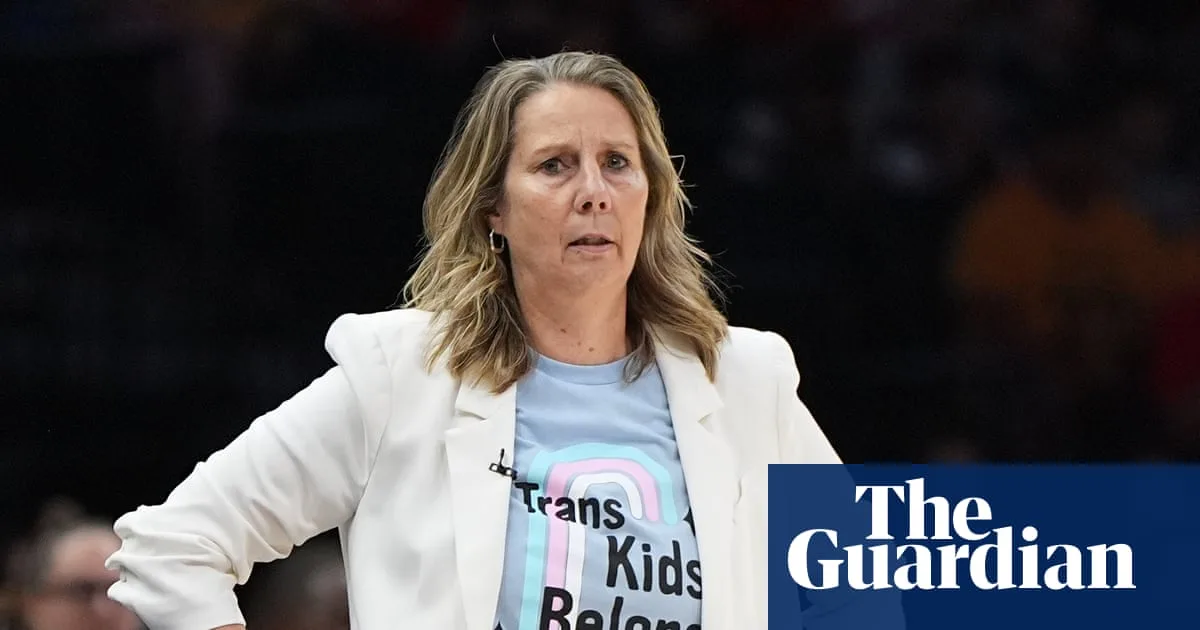
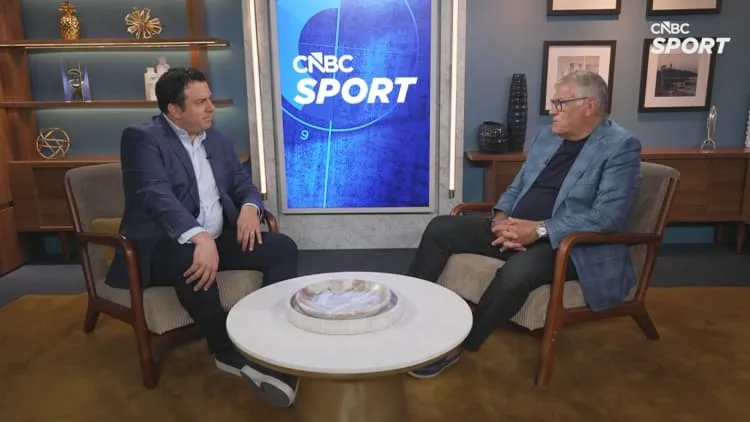
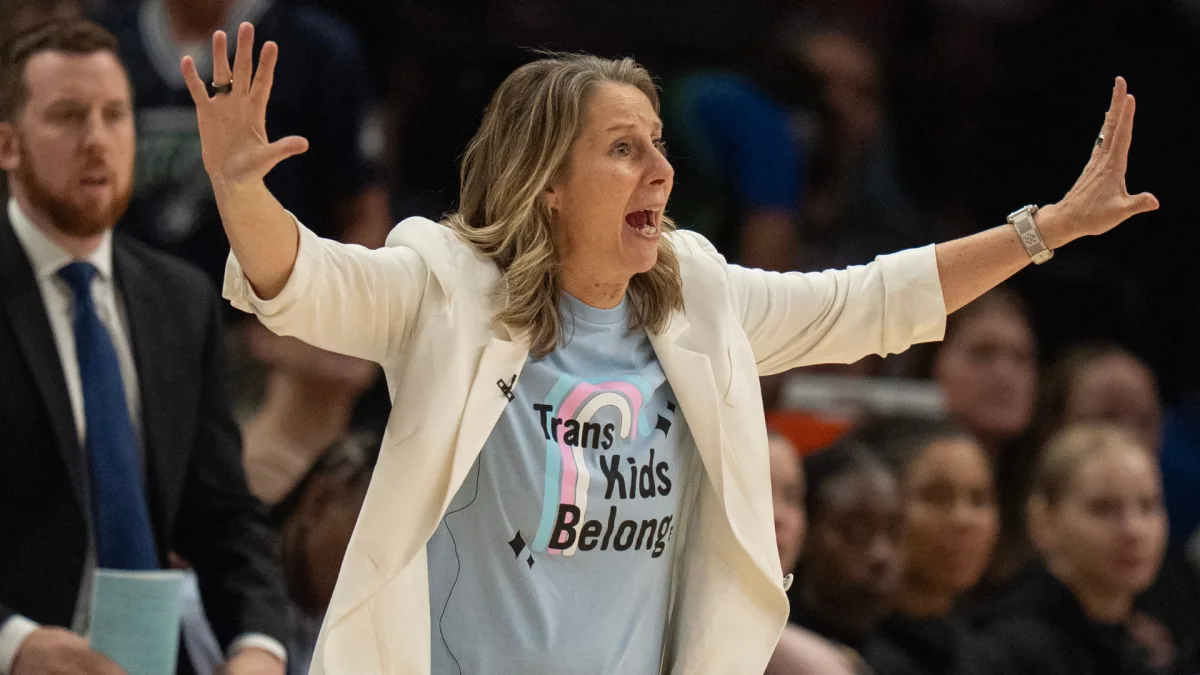
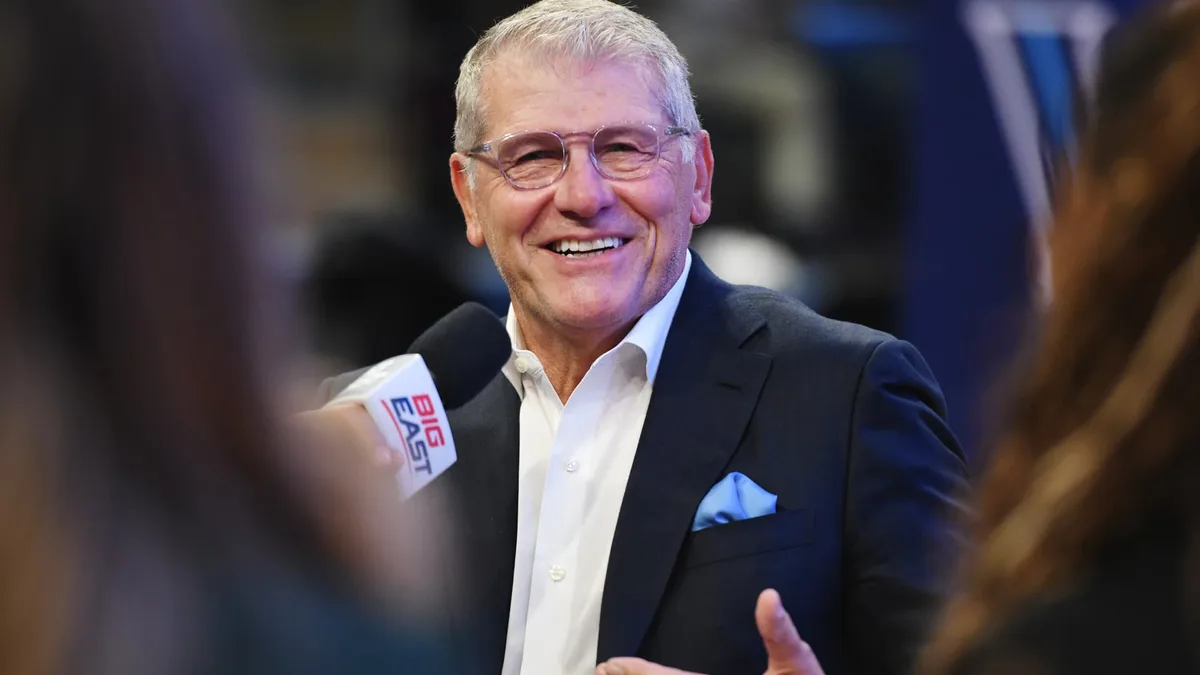
WNBA players and team staff have expressed differing views, with some advocating protections for cisgender female athletes and others supporting transgender inclusion [3, 2]. Former WNBA player Layshia Clarendon, who was assigned female at birth and is openly trans and nonbinary, retired in 2024 after 12 seasons [3]. Commentators including UConn women's coach Geno Auriemma said the debate remains hypothetical, noting, "I don't know any trans players that have tried to play in the league and have been denied. It's an issue that's been made an issue that's a non-issue" [3].
The discussion intensified following remarks by Sophie Cunningham on August 7 about protecting girls in sports from competing against biological males [2]. The league is managing the issue amid strong public interest and evolving perspectives.
The WNBA recently grew its salary cap from $1.5 million to $7 million under a new collective bargaining agreement and secured a $3 billion television deal, reflecting expanding commercial success alongside the ongoing policy discussions [2].
Commissioner Engelbert’s message indicates the league will continue stakeholder engagement on transgender matters in the coming months [1].