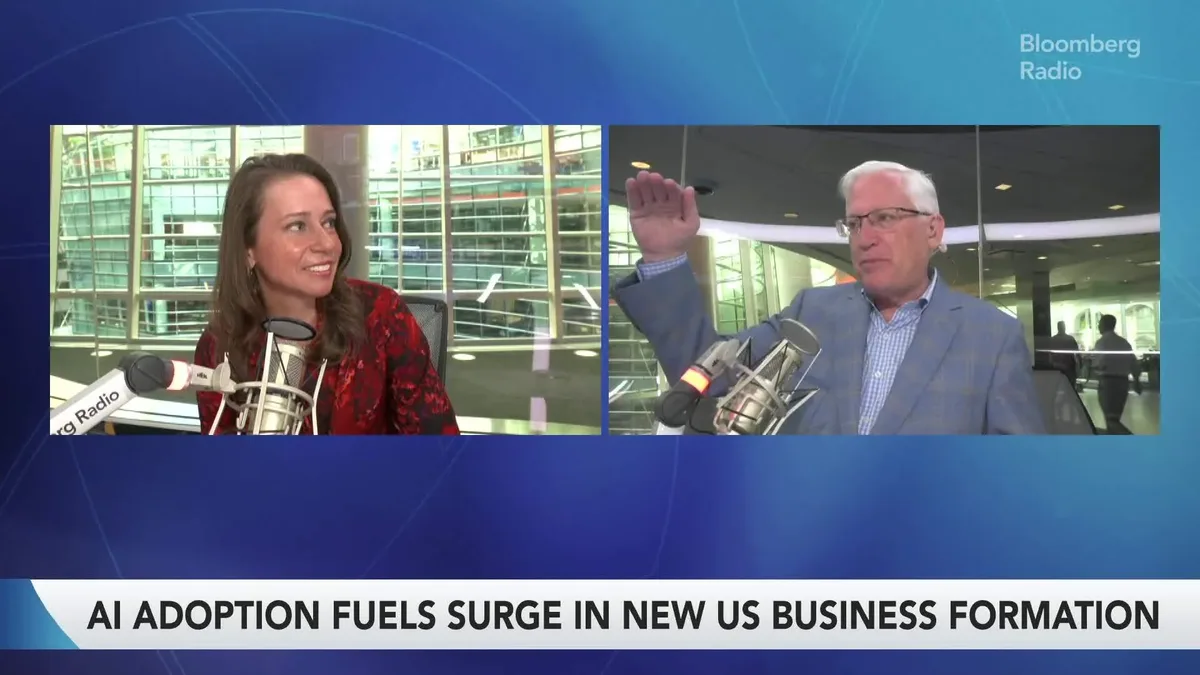
Seventy-four percent of white-collar workers without managerial duties regularly use artificial intelligence tools, up 23 percentage points from last year, according to a report released June 3 by Boston Consulting Group (BCG) [1, 2, 3].
More than 40% of these frequent AI users say they save a full workday or more each week using AI to assist with tasks, reflecting significant time efficiency gains [2, 3]. However, many companies face difficulty converting these time savings into measurable improvements in productivity or business value [1, 2, 3]. Dr. Rebecca Homkes, an economist and lecturer, noted, "Employees across industries continue to adopt AI tools at a rapid rate, yet the technology’s impact on productivity and efficiency can be uneven and muddled" [4].
Nearly half of AI users spend more time managing and directing the AI systems than performing their core work, contributing to a mixed impact on output [2, 3]. Around two-thirds of regular AI users report increased job satisfaction due to AI use, but about 41% say AI adds to their cognitive load. This combination creates what BCG describes as a "joy paradox," where AI simultaneously makes work more enjoyable and more challenging [2, 3].
The report surveyed nearly 12,000 workers from 14 countries and industries, revealing broad adoption patterns and perceptions of AI’s role in their jobs [2, 3]. AI agents integrated into workflows are now used by 30% of respondents, more than doubling the rate from a year earlier [2]. More than 60% of workers believe AI agents could perform at least half of their job tasks within three years, underscoring expectations for further automation [2].
Non-manager white-collar workers in India, Brazil, and South Africa reported AI usage rates above the global average, indicating regional variations in adoption [2].
Vinciane Beauchene, a BCG report author, said, "Everyone is talking about AI replacing work, but it is in fact really about rethinking the human value-add inside. This is the role of leaders" [2]. Her co-author Sylvain Duranton added, "The joy equation rewrites itself within a year of using AI. Early on, AI’s novelty and cognitive stretch fuel enjoyment, but that ‘AI honeymoon’ fades without strategic clarity" [3].
The BCG report highlights ongoing challenges in harnessing AI’s potential fully despite rapid uptake. Companies will need clearer strategies to translate AI-driven efficiency gains into sustained productivity improvements.