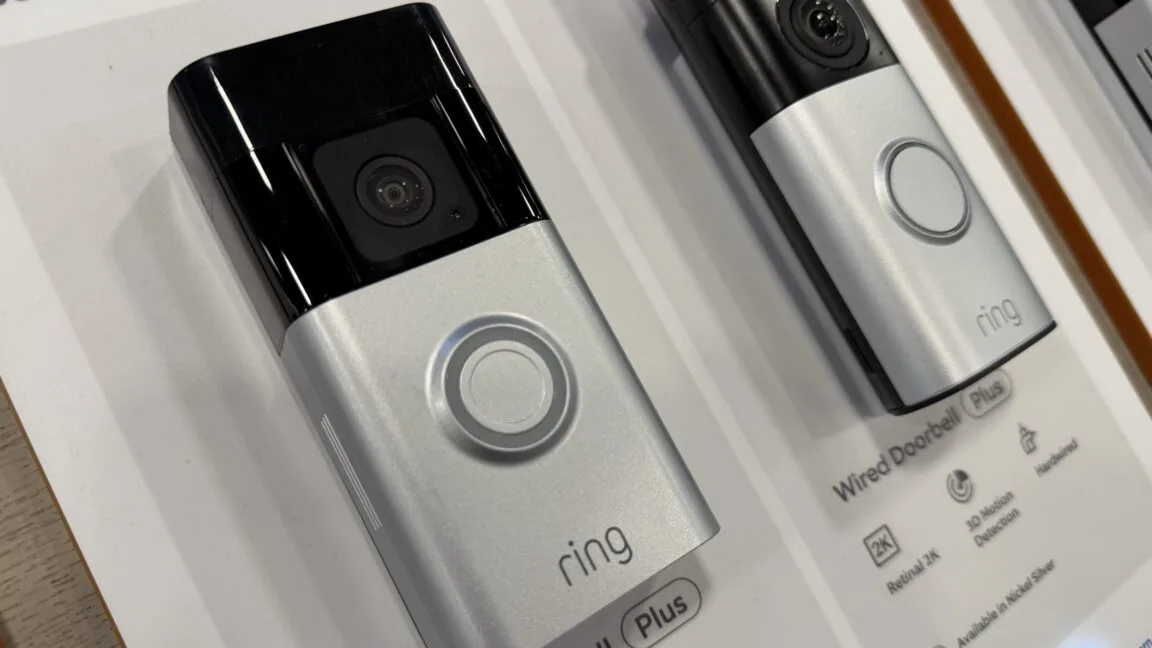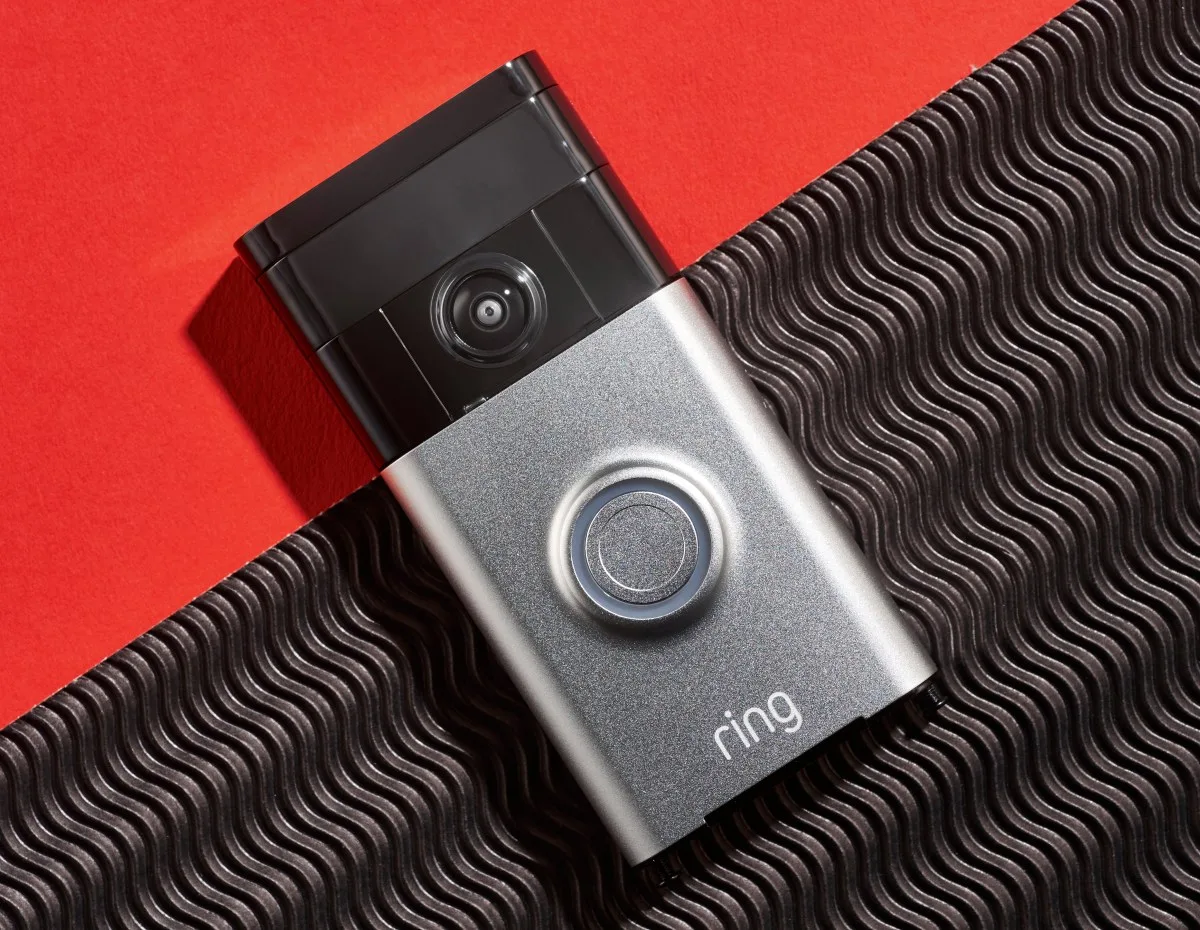
Virginia resident Charles Sigwalt filed a class action lawsuit on June 1 against Amazon-owned Ring, alleging the company collected and stored Americans' facial recognition data without consent through its Familiar Faces feature [1, 2, 3]. The suit seeks more than $5 million in damages and aims to represent a nationwide class of individuals whose facial data was scanned by Ring cameras [1, 3].
Ring's Familiar Faces feature, launched in December 2025 following its announcement in September 2025, allows users to create a directory of up to 50 familiar faces to help the camera automatically identify people who come to their door using artificial intelligence [1, 2]. The feature is available only to users who opt in; it is not enabled by default [1, 2].
Privacy concerns have been raised because passerby whose faces are scanned and stored by the system have not consented to the biometric data collection. Sigwalt said in the lawsuit, "Here, there are millions of Americans who have walked by Ring cameras which have activated the Familiar Faces feature... the damages in this action far exceed $5,000,000.00 when calculating the statutory damages that may be owed to each Class member in addition to the actual damages caused by the aggregate loss of value of biometric information" [1].
US Senator Ed Markey criticized the system, stating, "Amazon's system forces non-consenting bystanders into a biometric database without their knowledge or consent. This is an unacceptable privacy violation" [3].
Amazon responded that facial recognition data collected through Familiar Faces is encrypted and not shared, and that unidentified faces are deleted from the system after 30 days [2]. Ring has faced previous privacy controversies, including a $5.8 million fine in 2023 from the Federal Trade Commission for employee access to customer video footage and criticism over partnerships with surveillance companies [2, 3].
In February 2026, Ring aired a Super Bowl ad introducing a new AI feature called Search Party, which uses Ring footage to help find lost pets; the campaign also met with public backlash over privacy concerns [2, 3].
The lawsuit was filed in the US District Court for the Western District of Washington and marks the newest legal challenge to Ring's use of facial recognition technology.