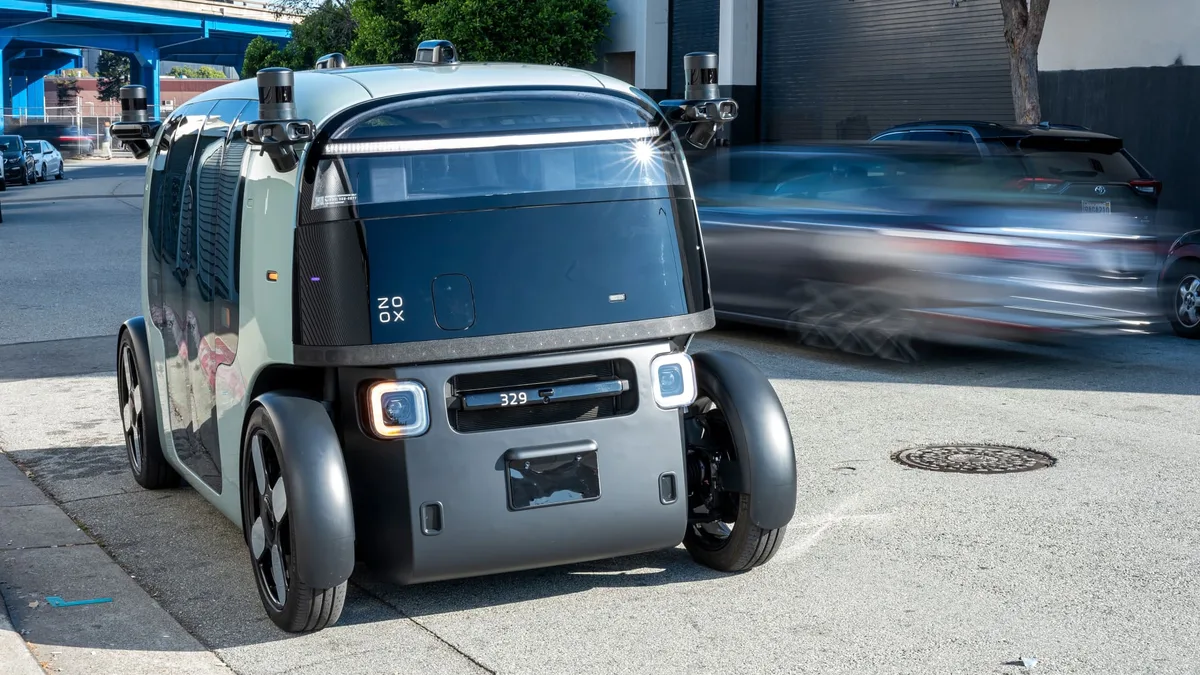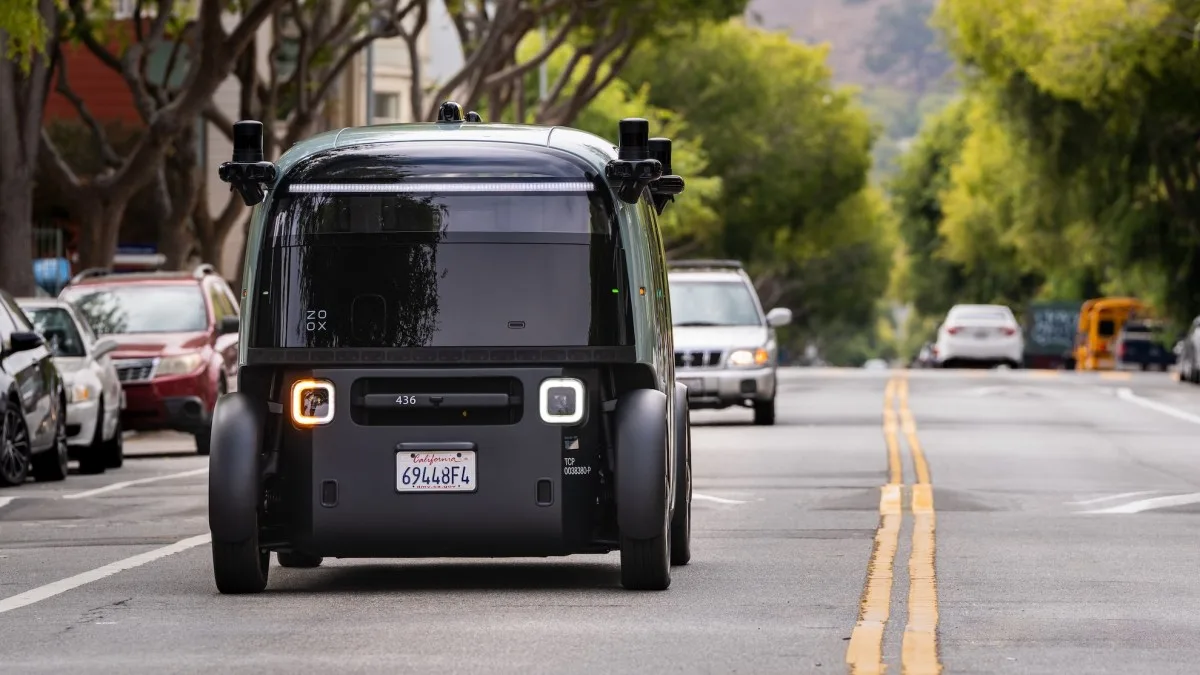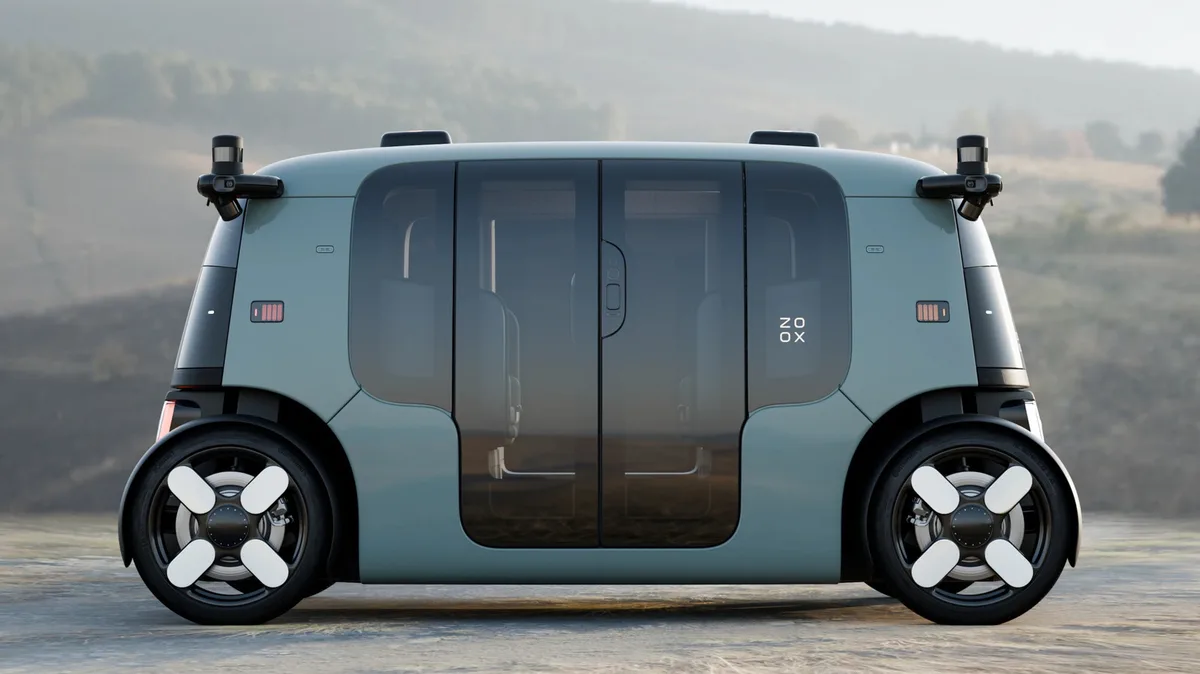
Amazon-owned Zoox issued a software recall for 105 robotaxis after an unoccupied vehicle drove into thick smoke obscuring an active emergency fire scene in Las Vegas on June 20, 2026 [1, 2, 3, 4]. The vehicle braked hard while attempting to steer away and then stopped. A remote teleoperator reversed it to clear the scene before first responders set up traffic cones [1, 2, 3, 4].
Zoox said this is the only incident of its kind in its fleet to date and reported no injuries [1, 2, 4]. The company notified the National Highway Traffic Safety Administration (NHTSA) of the recall in early July 2026. The updated software aims to improve detection and response to heavy smoke for safer emergency scene navigation [1, 3, 4].
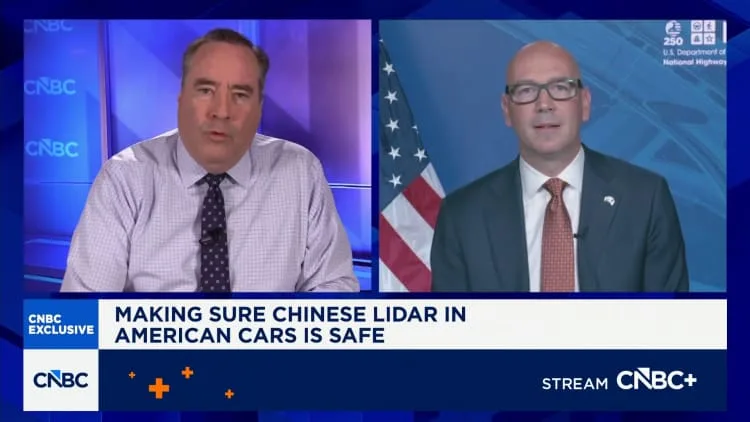
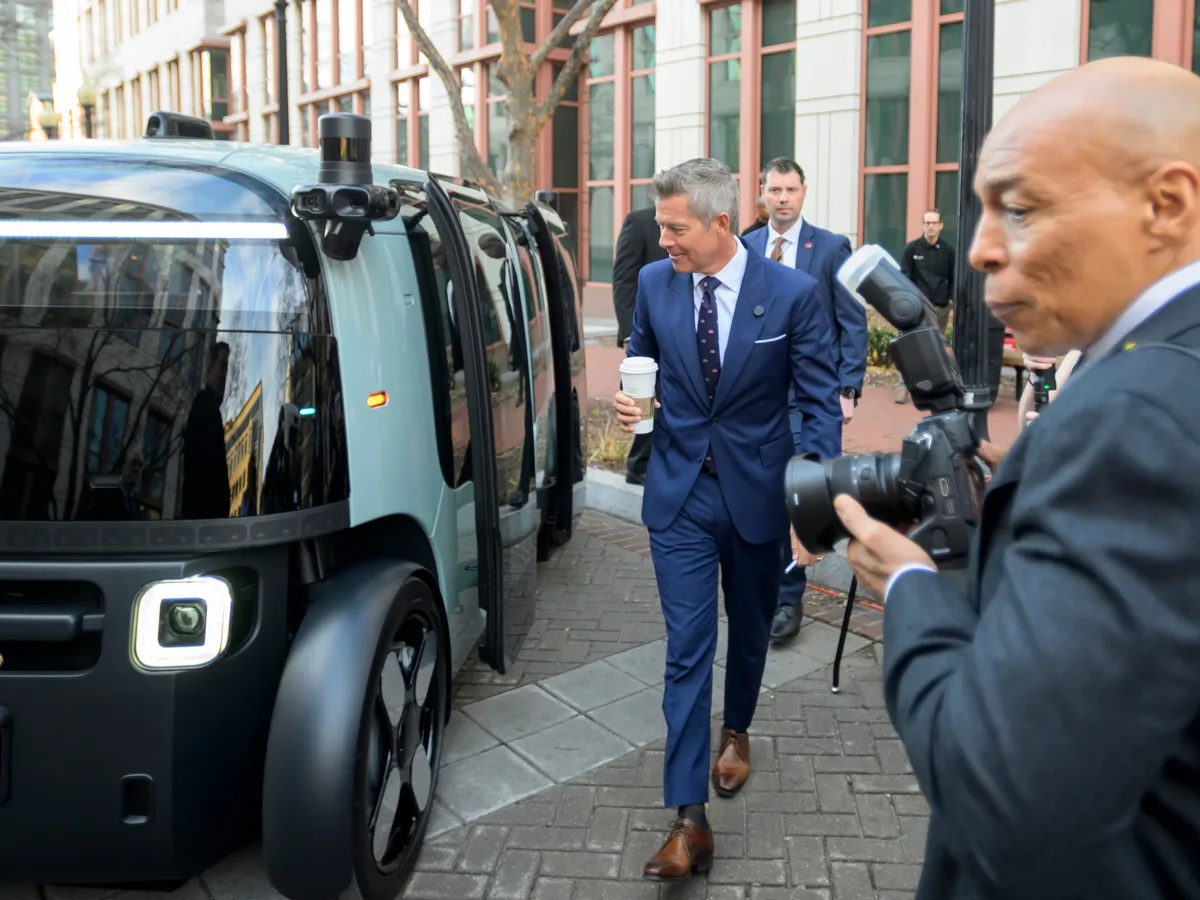
NHTSA Administrator Jonathan Morrison criticized the autonomous vehicle industry for failing to properly handle emergency scenes. In a letter sent in early July, Morrison called the inability to detect and respond to such conditions a “functional insufficiency” and warned that “an AV that cannot safely interact with first responders is a danger to the general public” [1, 2, 3, 4].
Zoox operates driverless robotaxis in cities including Las Vegas, San Francisco, Miami, and Austin and is testing in six other U.S. cities [2, 4]. The company had previously recalled vehicles in 2025 due to braking issues and collisions [1, 2, 4]. Other autonomous vehicle makers like Waymo have also faced incidents with vehicles interfering in emergency scenes [1, 3].
NHTSA has scheduled meetings with autonomous vehicle developers in late July 2026 to discuss safety improvements for emergency response scenarios [3, 4]. Zoox’s recall rollout and associated fixes are part of efforts to address these concerns ahead of such discussions.