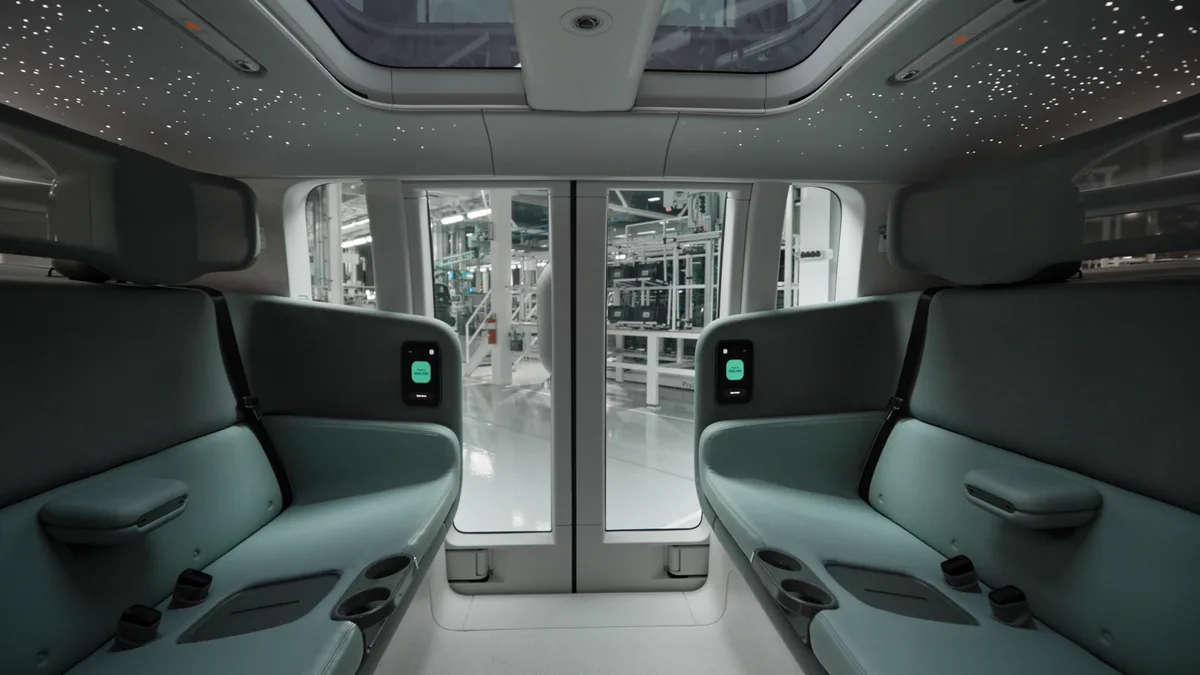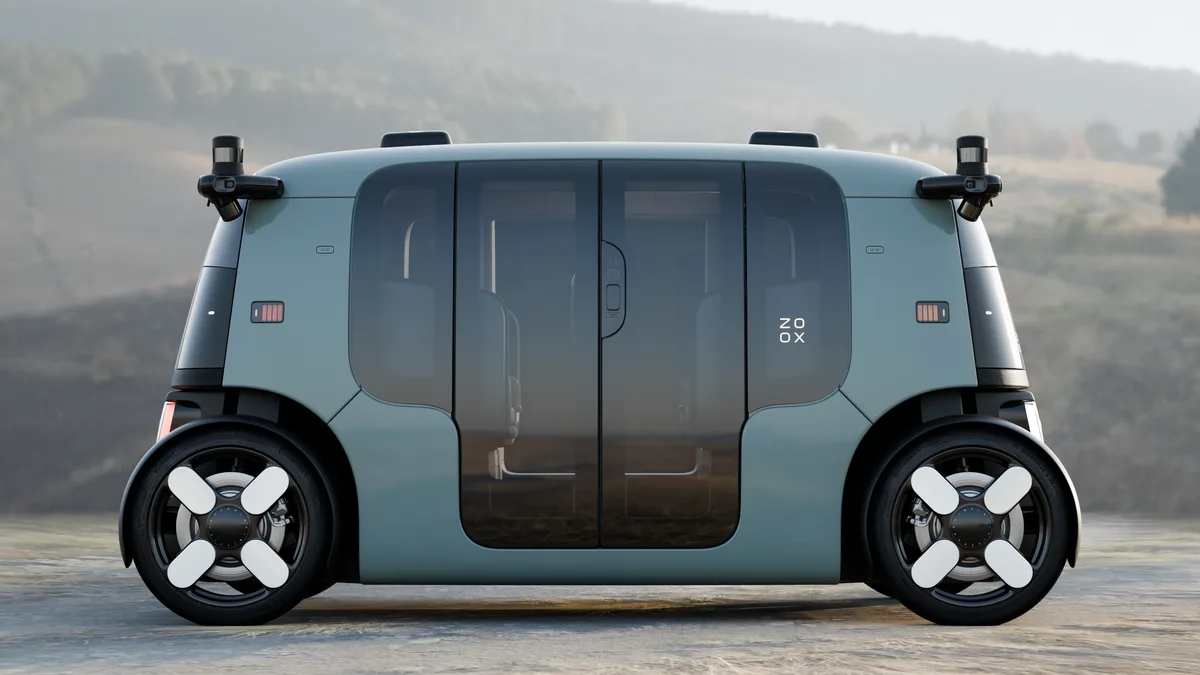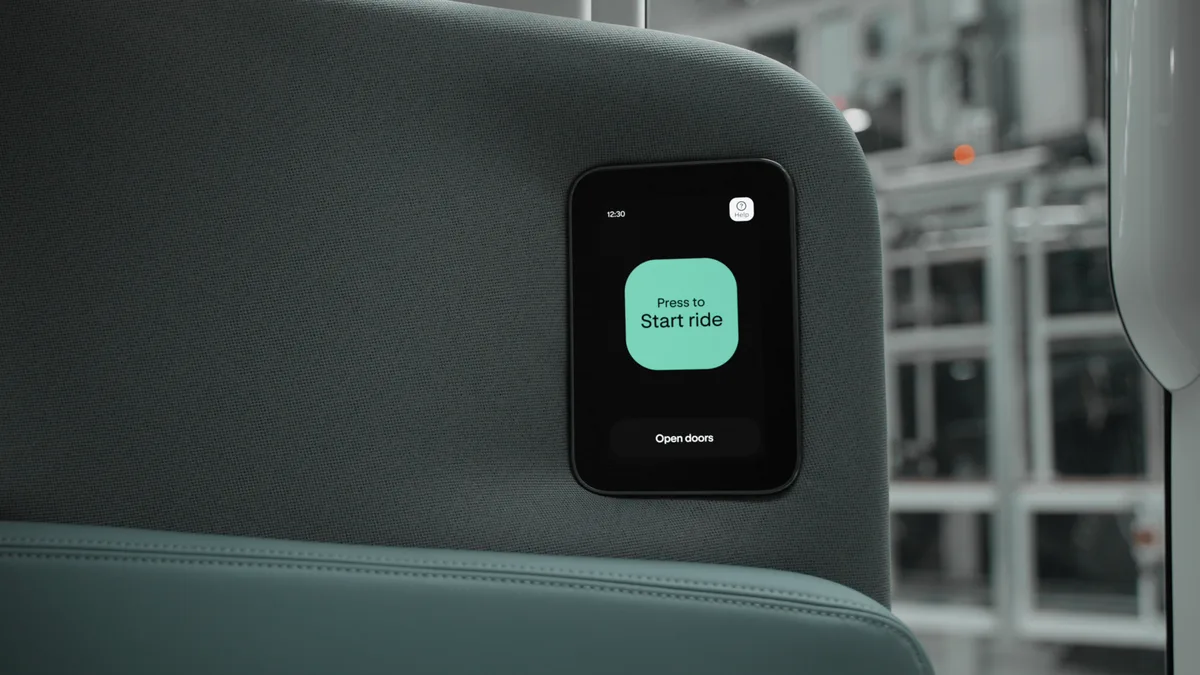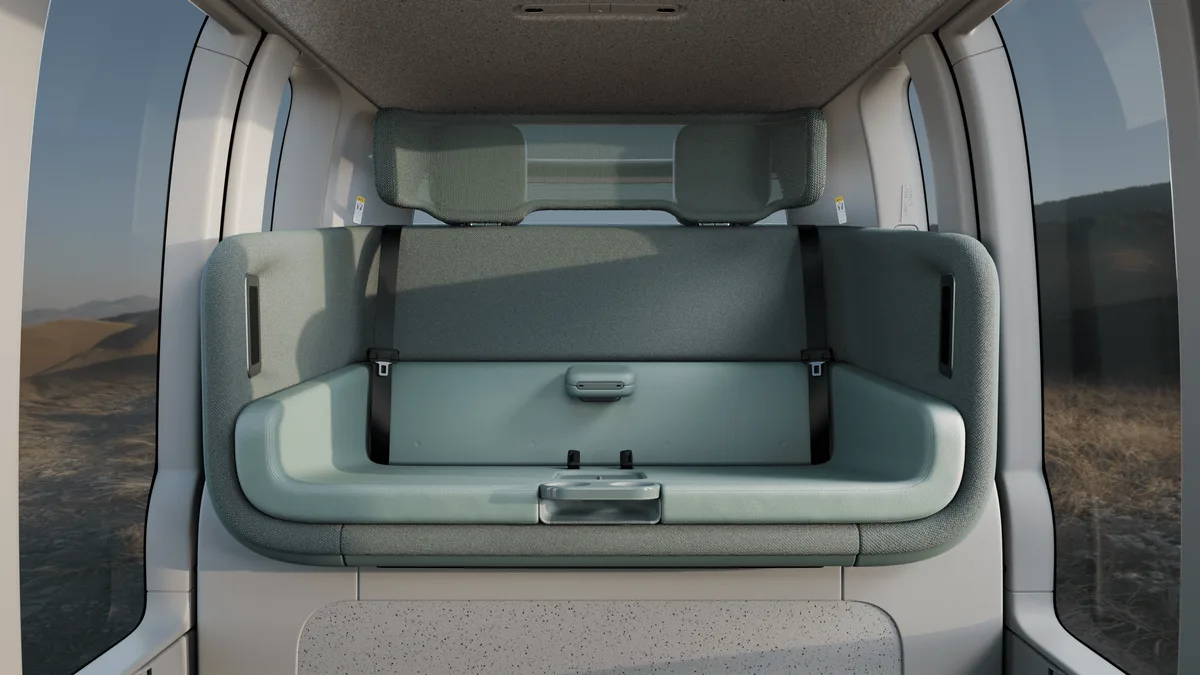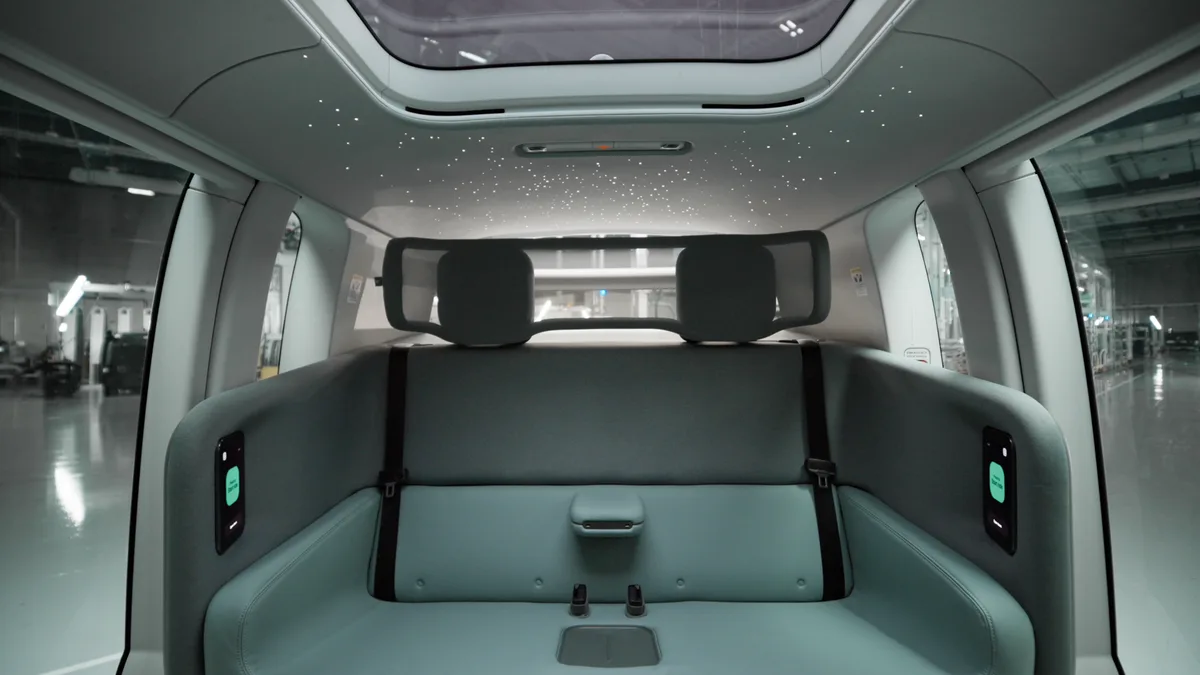
Amazon’s Zoox unveiled a redesigned version of its cube-shaped, bidirectional robotaxi on June 24, 2026, introducing updates aimed at enhancing rider comfort and interaction [1, 2, 3, 4, 5]. The new interior includes more padding and ergonomic curves on seats and headrests, a lighter color scheme with monochrome aloe green seating and stone-grey flooring, larger cupholders, and a brighter touchscreen display [1, 2, 3, 4, 5].
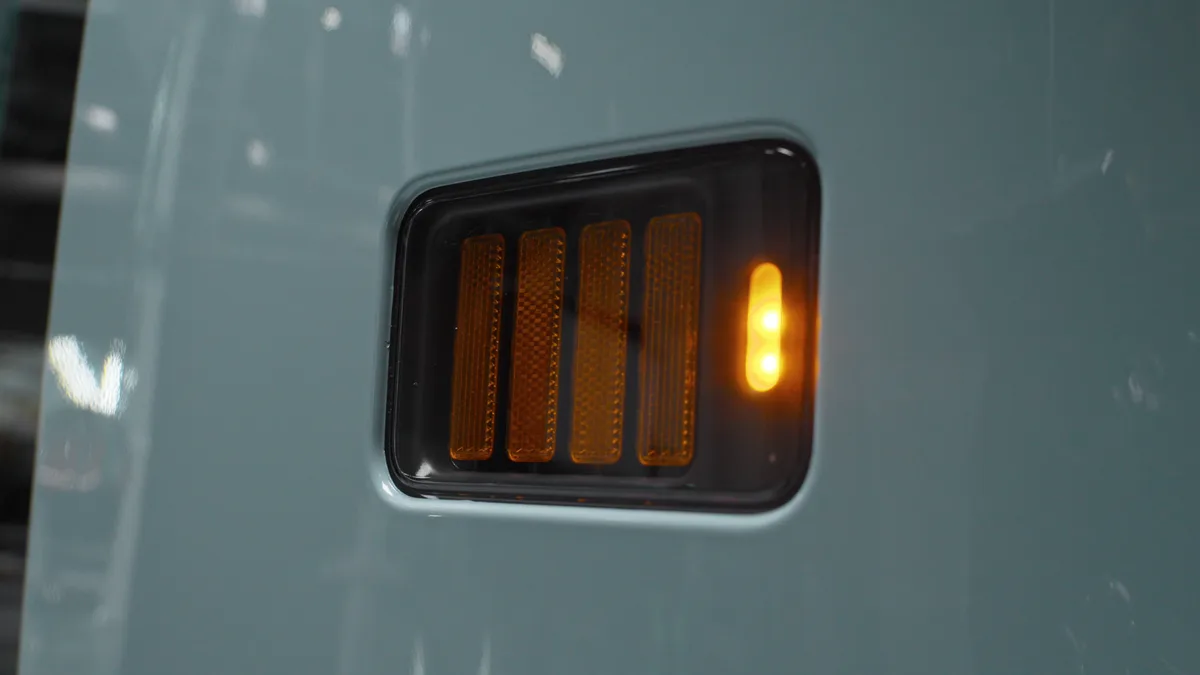
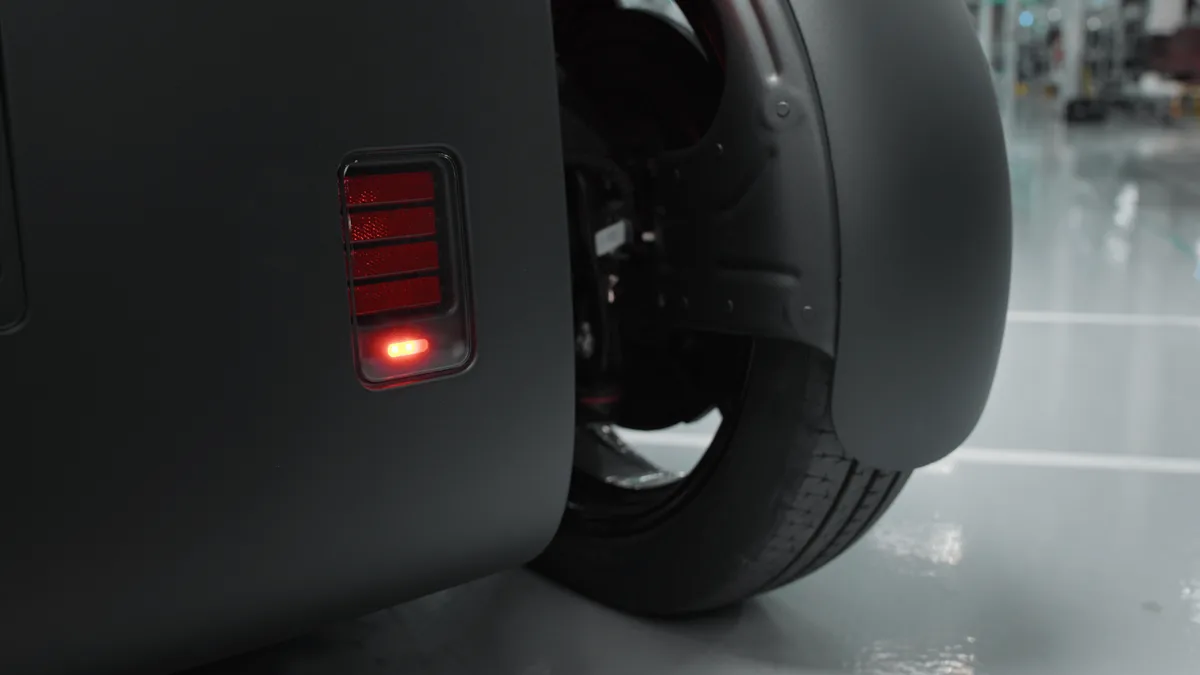
Externally, Zoox moved and enlarged its bidirectional reflectors that now rotate colors to improve visibility. The doors now feature two-way audio with speakers and microphones to aid communication with riders, road users, first responders, and Zoox Support [1, 2, 5]. Despite changes, the robotaxi retains signature features: four inward-facing seats, no steering wheel or pedals, bidirectional driving capability, 40 sensor arrays including cameras, lidar, radar, and infrared, and a top speed of 75 mph [1, 2, 3].
Zoox is preparing to begin large-scale production of the redesigned vehicles at its Hayward, California factory, which can produce up to 10,000 vehicles annually or about 100 per week. A company spokesperson said the production ramp will be phased and deliberate to safely meet consumer demand and regulatory requirements [1, 2, 4, 5].
Since launching a free robotaxi service on the Las Vegas Strip in September 2025, Zoox has served over 500,000 riders across Las Vegas, San Francisco, Austin, and Miami while awaiting regulatory approval for commercial paid service [1, 3, 4]. Its petition for a temporary federal exemption to operate up to 2,500 commercial robotaxis is under review by the National Highway Traffic Safety Administration since early April 2026 [1, 4].
Zoox plans to expand paid robotaxi services to additional U.S. cities including Austin and Miami later this year, once approvals are in place [1, 4]. Chris Stoffel, Zoox’s director of robot design, said, “The updates we’ve made to this iteration of our purpose-built robotaxi continue to further distinguish the Zoox experience from anything else available today” [2].