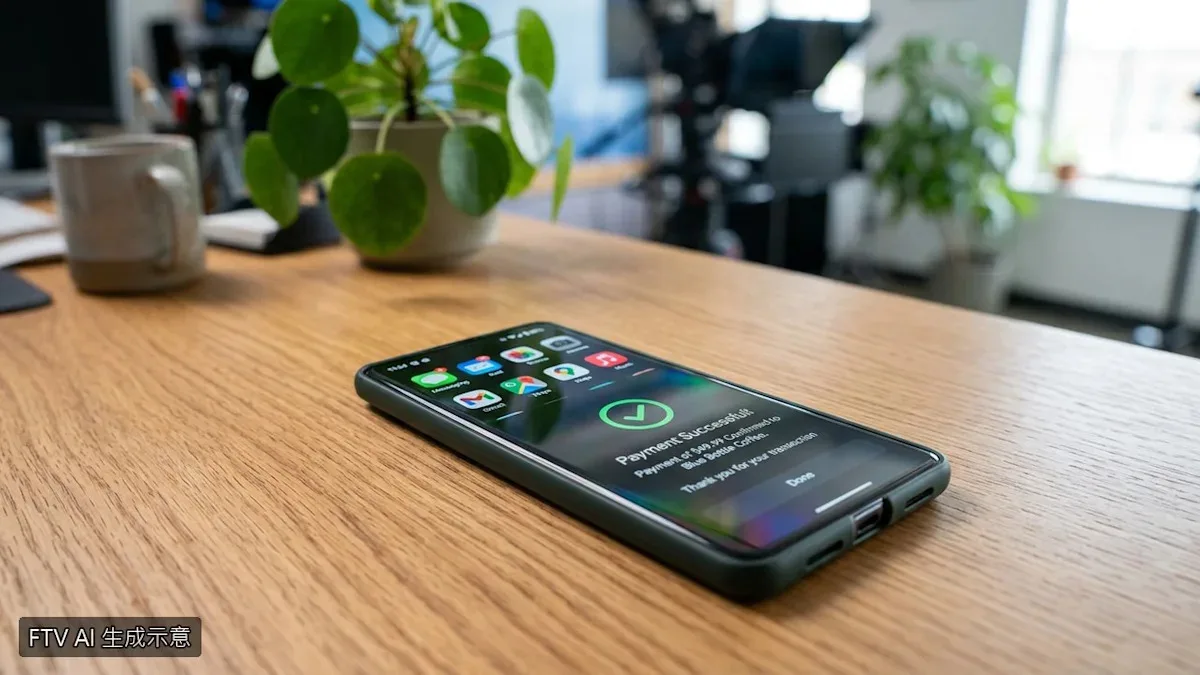
Apple announced on June 18, 2026, that it will permit iOS developers in Brazil to distribute apps through third-party app stores and process payments outside the official Apple App Store. This change follows an agreement reached with Brazil’s competition regulator, CADE, closing legal disputes dating back to 2022 over Apple’s app distribution policies [1, 2, 3].
Apps distributed outside the official App Store in Brazil will incur a Core Technology Fee (CTC) of 5 percent, significantly lower than the standard App Store commission rate [1, 2]. The new policy requires alternative app marketplaces to be authorized by Apple. Apps sold via these stores must undergo a notarization process to screen for malware and other security risks [1, 2, 3].
Apple cautioned developers and users that enabling third-party app stores and external payments could increase risks such as malware, scams, and privacy violations. To address these concerns, Apple introduced protections including mandatory app security reviews, marketplace authorization oversight, and controls to prevent inappropriate content accessible to minors [1, 3].
These changes align with similar regulatory compromises Apple has made in the European Union and Japan to open the iOS app ecosystem to greater competition while maintaining security safeguards [1, 2].
To take part in the updated app distribution system, Brazilian iOS developers must agree to Apple’s revised Apple Developer Program License Agreement by July 6, 2026 [1]. This deadline marks the next key step in implementing the new framework.
The policy shift is the culmination of years of friction between Apple and regulatory authorities in Brazil seeking to challenge the company’s control over app distribution on iOS devices [3]. The agreement offers developers greater freedom while ensuring Apple maintains a role in security oversight.