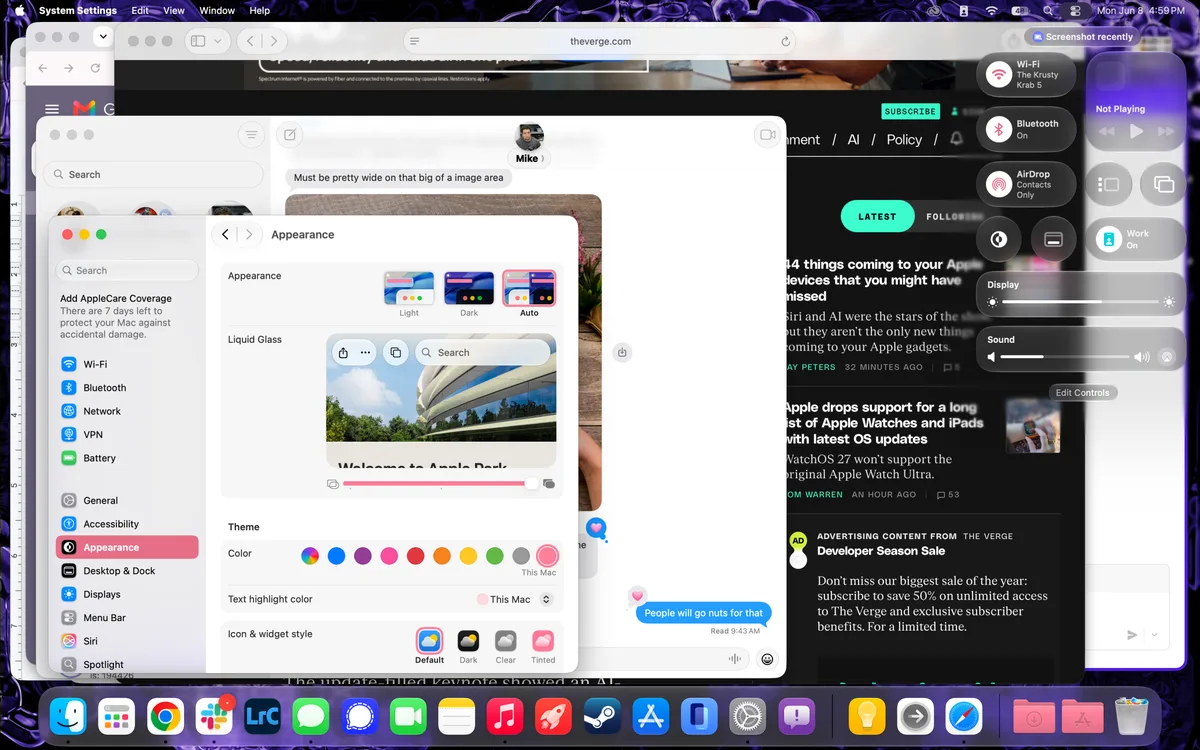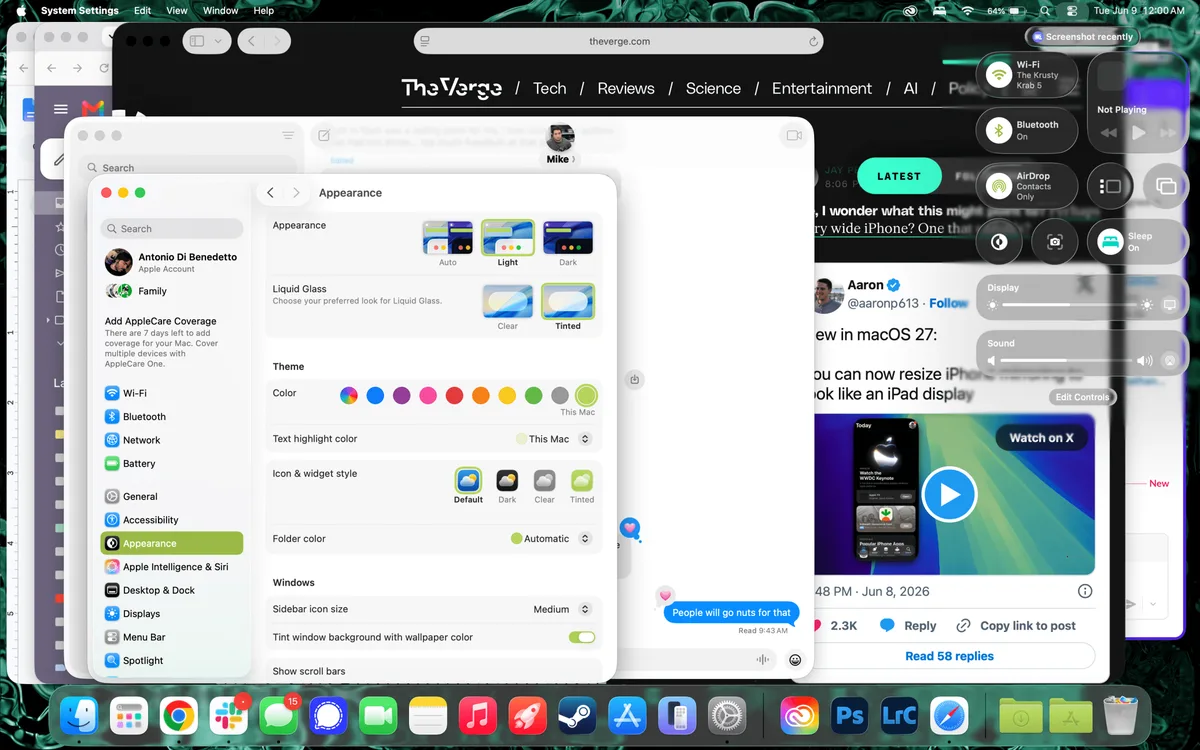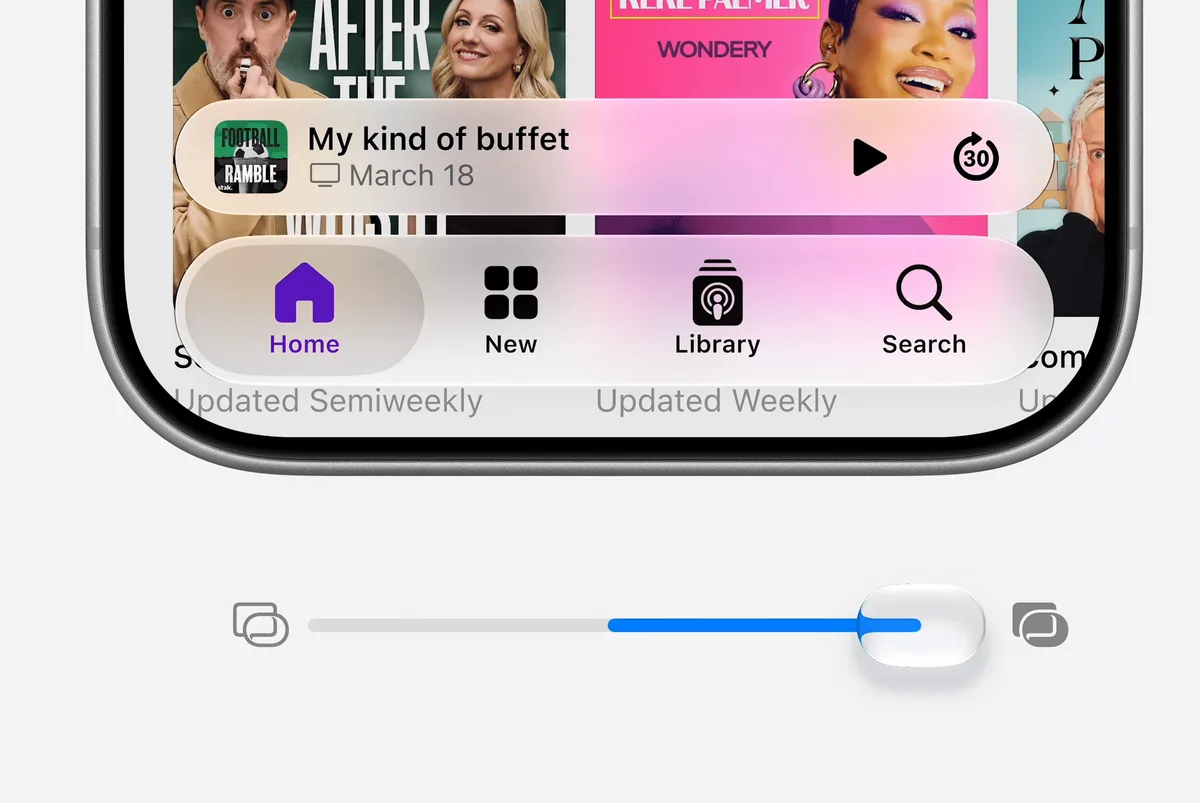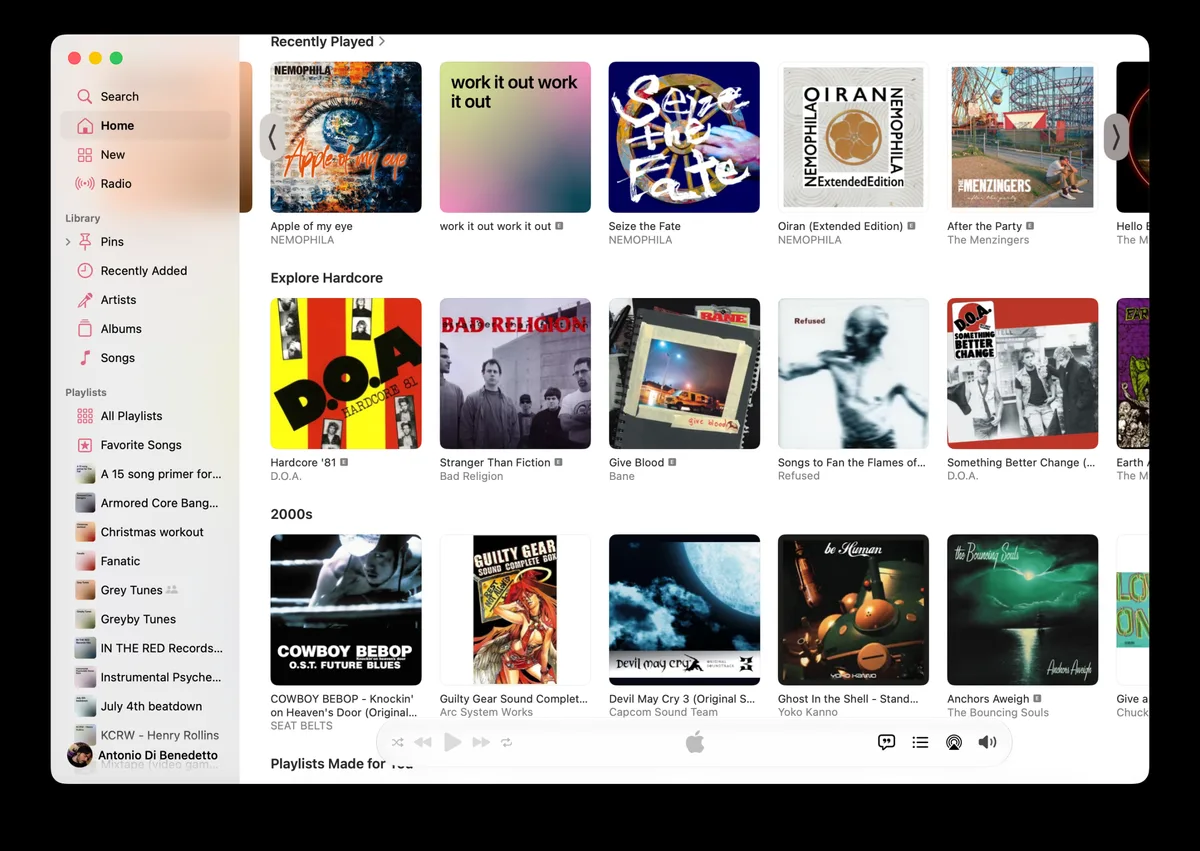
Apple unveiled updates to its Liquid Glass design at WWDC 2026, adding a slider in iOS 27 and macOS 27 that lets users adjust the UI transparency from ultra clear to fully tinted or frosted. "Since everyone’s preference varies, we’re adding a new slider and settings to adjust Liquid Glass, so you can set it anywhere from ultra clear to fully tinted," Apple said [1].
The default setting for the Liquid Glass slider in macOS 27 Golden Gate rests in the middle, applying some frosting to reduce distracting transparency effects and improve focus [2, 3]. Apple also enhanced readability by diffusing complex content behind Liquid Glass elements. This creates a sense of depth and separation between content panels, making text and icons easier to see [1, 4].
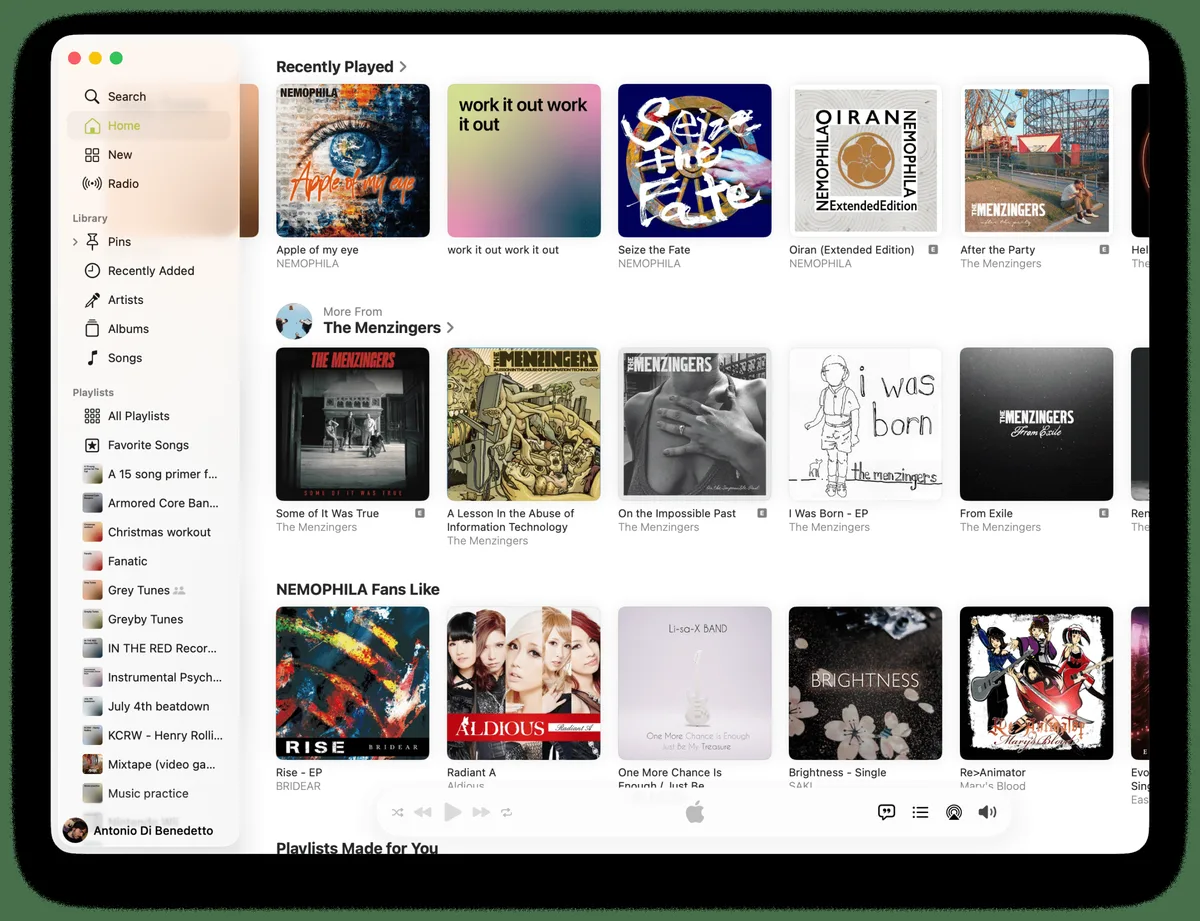
The design overhaul includes redesigned and more cohesive app icons featuring layered Liquid Glass effects that support both clear and tinted modes. These icon updates apply not only to Apple’s apps but also to third-party applications [1, 3]. macOS 27 further refines the interface with a return of edge-to-edge sidebars that display colorful icons and consistent rounded window corners across apps. These changes aim to improve usability and visual coherence as users work between multiple apps [2, 3].
Users who prefer to disable Liquid Glass transparency can still enable the Accessibility setting "Reduce Transparency," though it replaces the transparent backgrounds with solid gray and black colors instead of the layered effects [2].
In addition to the Liquid Glass design improvements, iOS 27 offers performance gains with app launch speeds increasing by up to 30 percent and AirDrop transfer speeds up to 80 percent faster [5].
Developer betas for iOS 27 and macOS 27 Golden Gate launched in June 2026, shortly after Apple’s WWDC announcement on June 5. The company confirmed a public release is scheduled for fall 2026 [5]. Apple noted the updates reflect a continued iteration, following the original Liquid Glass design’s mixed reception at WWDC 2025, where readability concerns were first raised [1]. "Like with all major design updates, there is a natural process where we take a bold leap forward, and then we continue to iterate," Apple said [1].