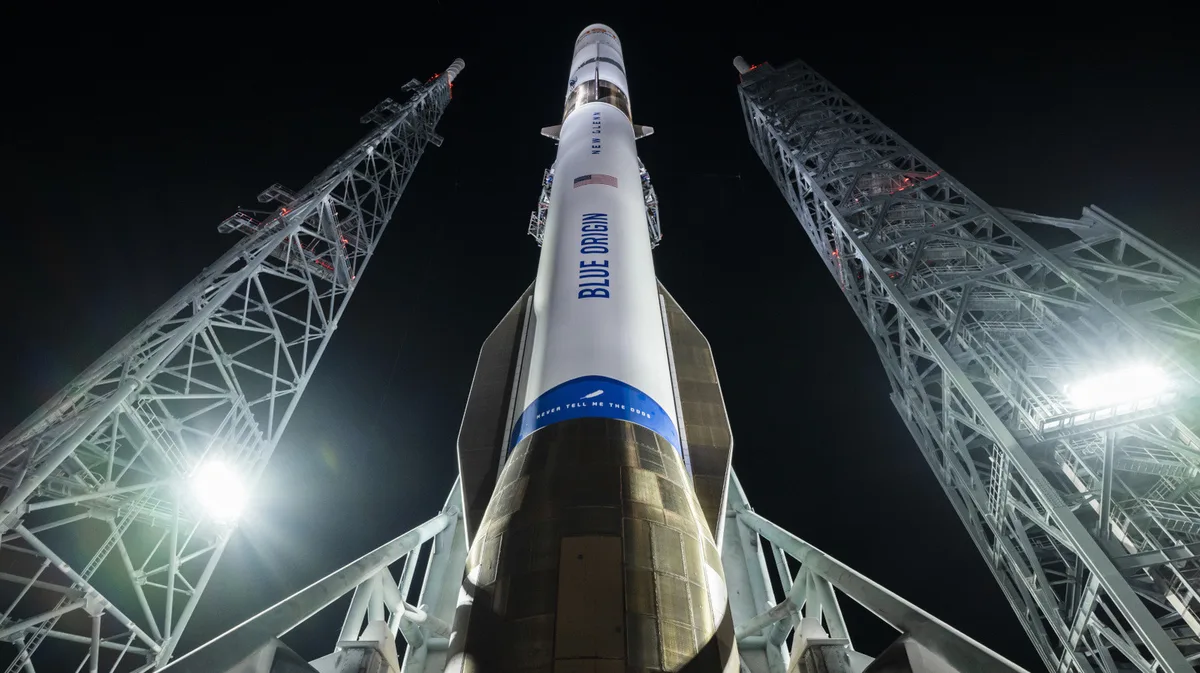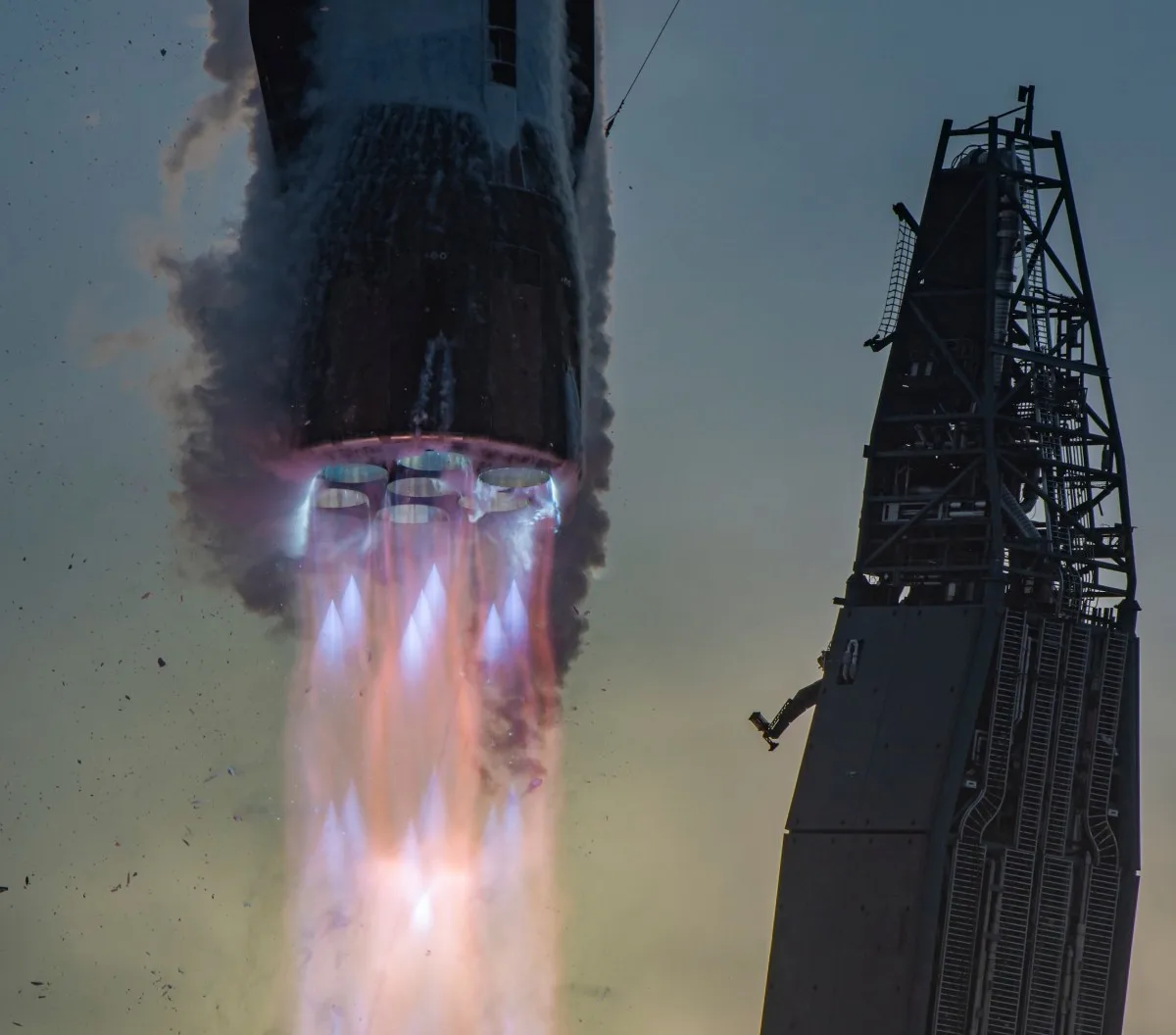
Blue Origin suffered a massive explosion at its Cape Canaveral launchpad on May 28, 2026, during testing of the New Glenn rocket, according to reports from the FAA and company sources [1, 2]. The cause was identified as a cryogenic leak by an FAA investigation [2]. Despite the blast, key parts of the launchpad—such as the propellant farm and fuel tanks—sustained less damage than initially feared [1, 2]. The support tower at Launch Complex 36 was damaged but is expected to be repaired without full demolition [2].
On June 1, 2026, Blue Origin CEO Dave Limp announced the company plans to fly New Glenn again before the end of the year. He confirmed that repairs are underway and that core infrastructure remains in good condition [1, 2]. New Glenn has completed three missions prior to the explosion; its January 2025 maiden flight was mostly successful, the November 2025 launch successfully delivered a Mars-bound spacecraft and landed the booster, while the third mission suffered an upper stage failure losing a payload [1].
Blue Origin is constructing a second launchpad at Cape Canaveral, though it is still in early development and not yet operational [1]. The New Glenn rocket is critical for NASA’s Artemis moon missions and the upcoming Moon Base I mission planned for fall 2026 [1, 2]. NASA depends on Blue Origin to meet its deep space launch schedule amid other contractor delays.
In contrast to Blue Origin's optimistic timeline, NASA Administrator Jared Isaacman expressed skepticism, suggesting the launchpad could take until 2028 to repair fully [2]. Isaacman toured Launch Complex 36 on May 29 to assess the damage shortly after the explosion [2].
Meanwhile, Blue Origin has paused New Shepard space tourism flights for at least two years to focus resources on the New Glenn program and NASA contracts [1]. The company’s near-term priority remains returning New Glenn to flight status within 2026 to support NASA’s lunar ambitions.
Blue Origin’s next concrete milestone is to complete repairs and successfully relaunch New Glenn by the end of 2026, less than four months after the May explosion [1, 2].