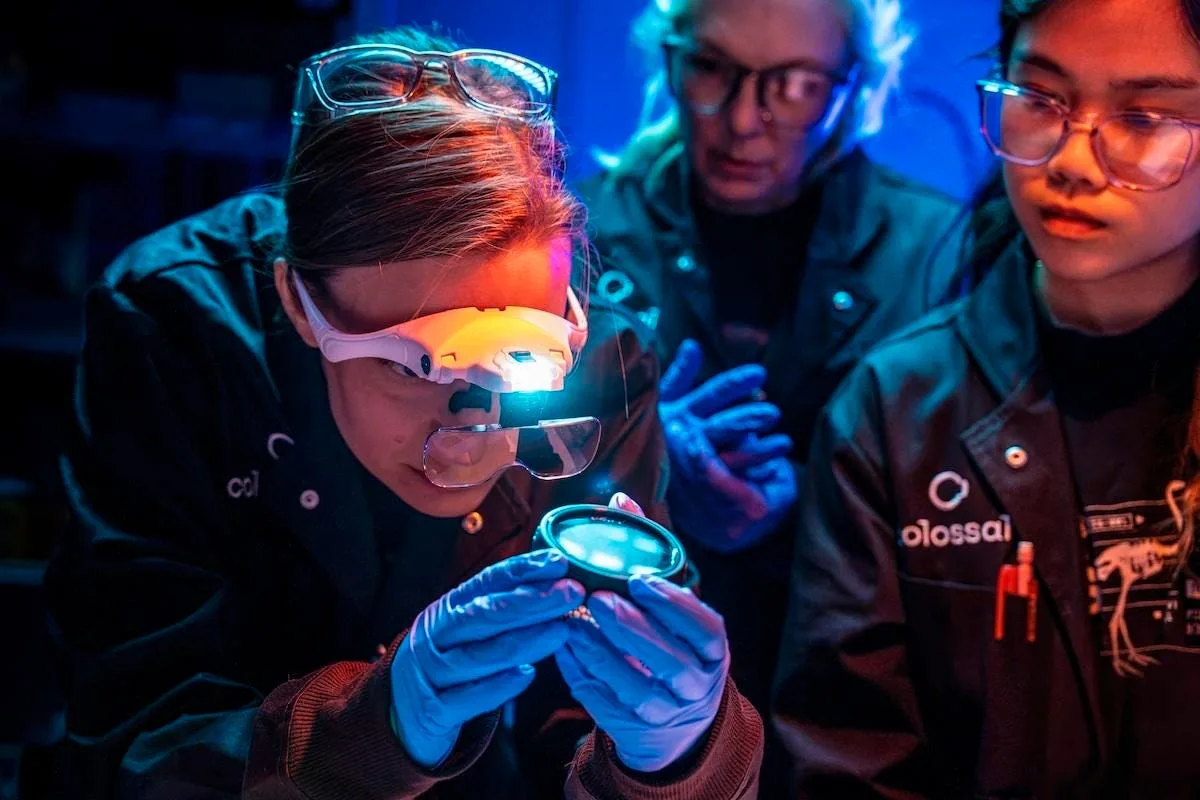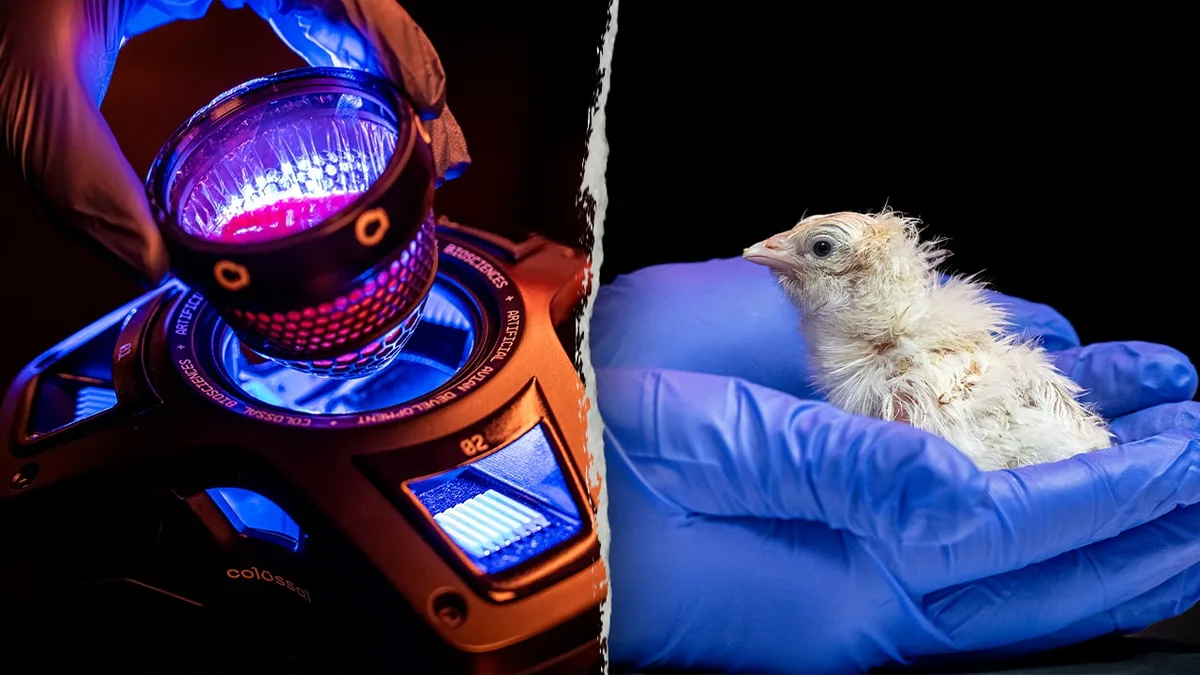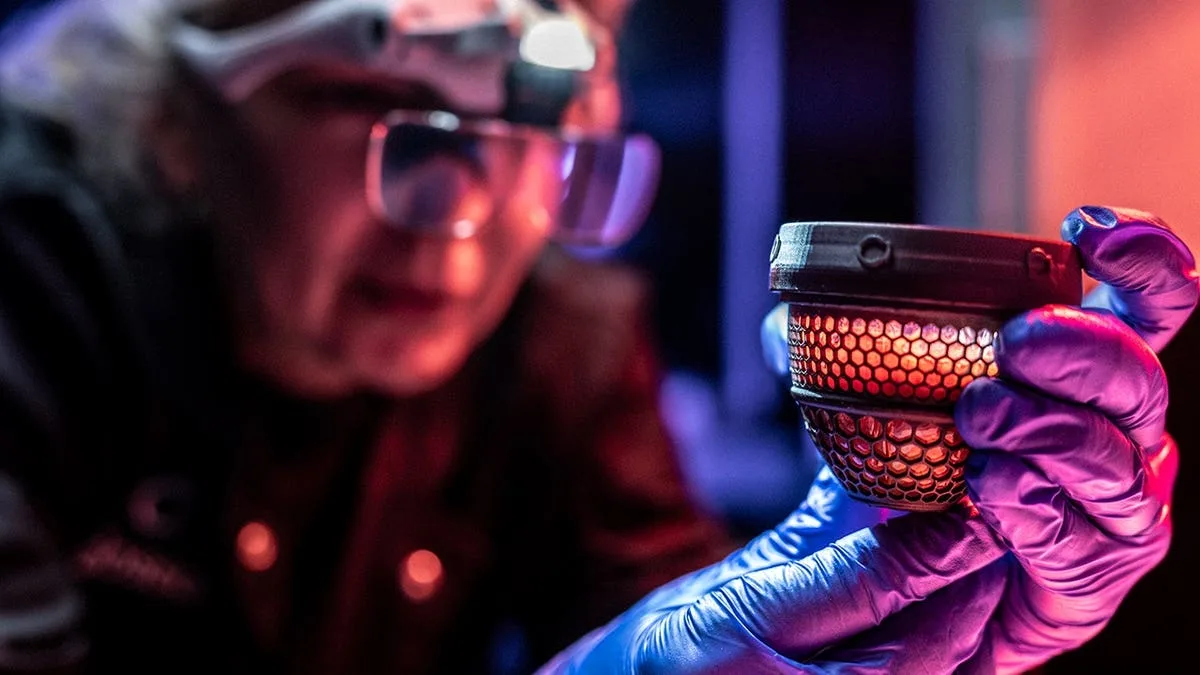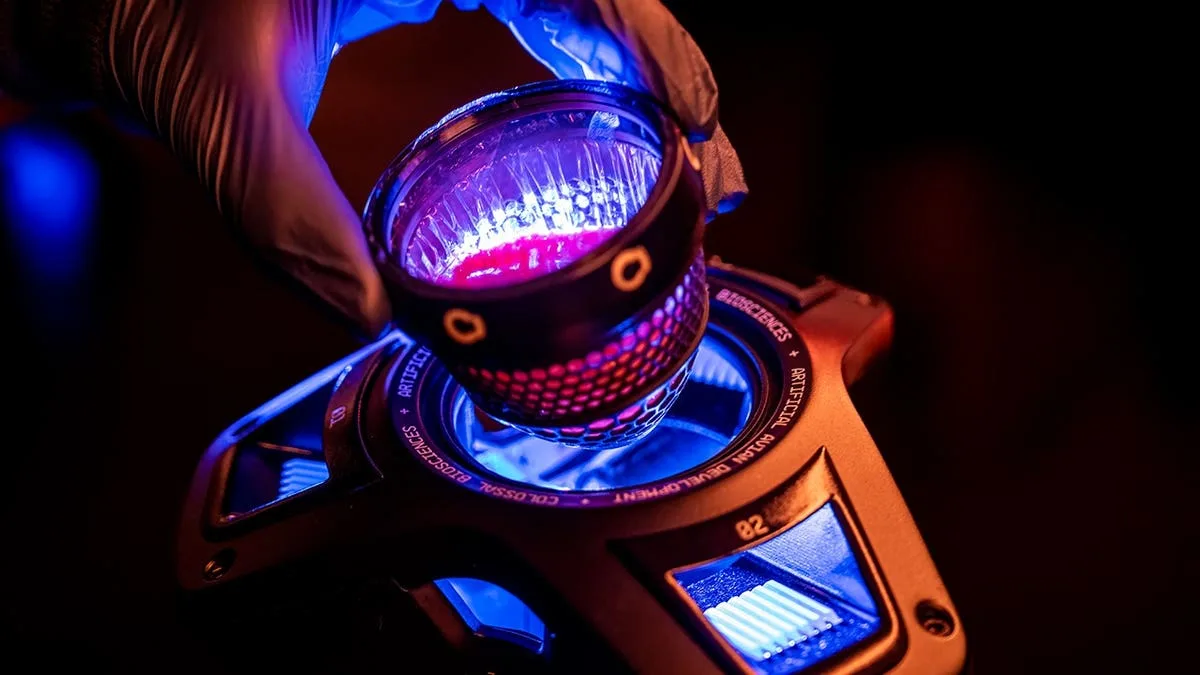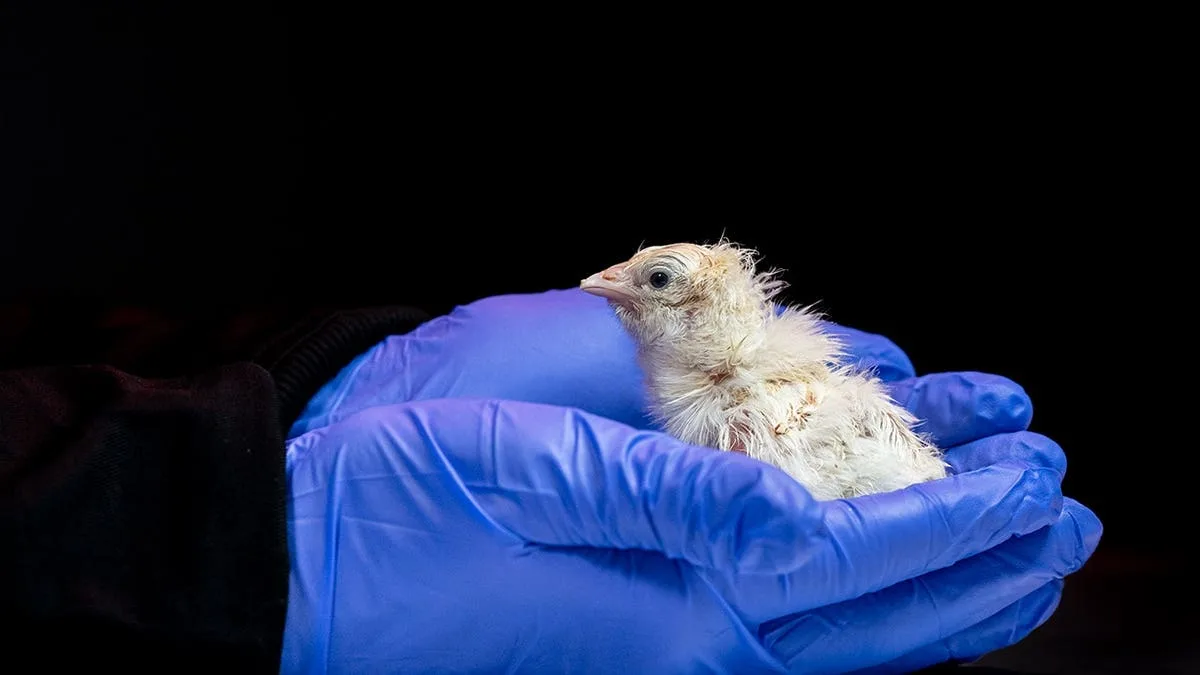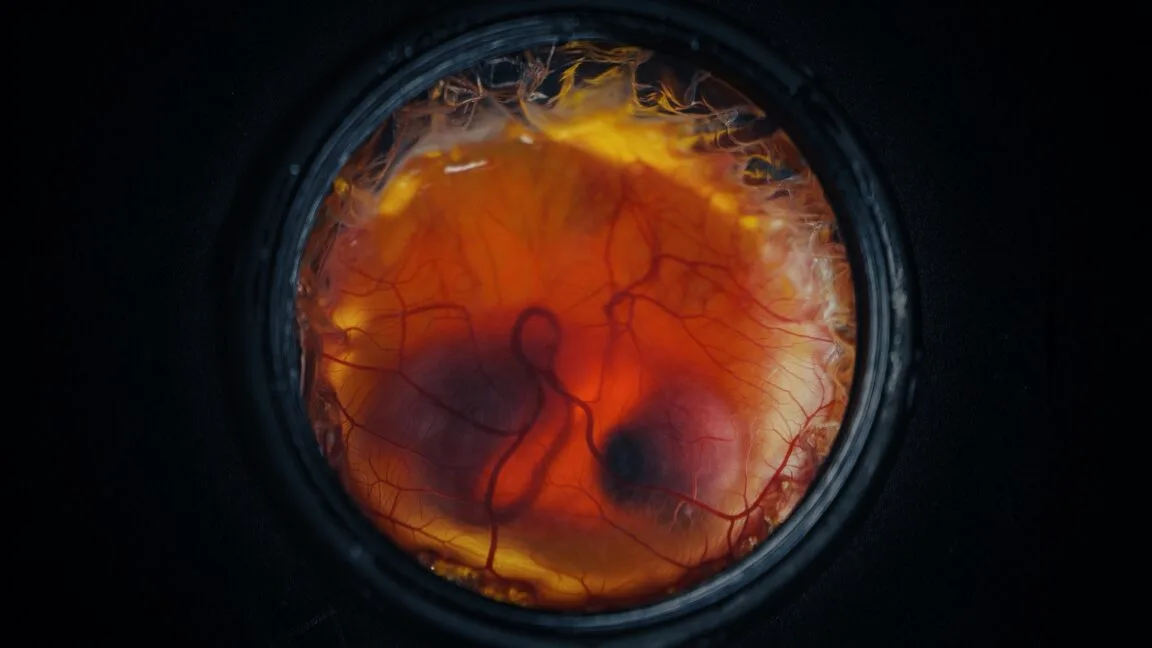
Colossal Biosciences unveiled an artificial eggshell and incubator system on May 19 that supports almost complete embryonic development outside a natural eggshell [1, 2]. The company successfully hatched 26 healthy chicken chicks using this technology, demonstrating its functionality [3, 2].
The artificial egg mimics key natural properties such as gas exchange, humidity regulation, and mechanical support, providing a near-natural environment for bird embryos [1, 2]. Ben Lamm, CEO and co-founder of Colossal Biosciences, said, "We didn’t just copy nature. We tried to re-engineer it," highlighting the engineering challenges solved by the design [2].
The company developed the artificial egg as a scalable platform to advance conservation and de-extinction efforts for birds. Among its goals is resurrecting the extinct South Island Giant Moa, a flightless bird hunted to extinction in New Zealand. The moa grew up to 10 feet tall and laid eggs larger than any living bird species, such as ostriches [1, 2].
Colossal plans to test the artificial egg with emu and ostrich eggs before applying the technology to larger eggs like the moa's [2]. The company collaborates with New Zealand’s Ngāi Tahu Research Centre and filmmaker Peter Jackson for the moa project [2].
Ben Lamm said, "Every new scalable system for de-extinction is ultimately a biology problem wrapped in an engineering problem. Restoring species like the South Island Giant Moa … requires building an entirely new incubation system where no surrogate exists and scales in ways that ordinary biology simply doesn’t" [1].
George Church, Harvard Medical School professor and Colossal co-founder, added that the artificial egg "solves the scalability dimension" and that "its implications extend well beyond any single species" [1]. Dr. Beth Shapiro, Colossal’s Chief Science Officer, explained the breakthrough, noting, "The avian reproductive toolkit has lagged behind mammalian systems for decades because birds present unique developmental challenges. The artificial egg changes that" [2].
In addition to birds, Colossal has active de-extinction programs for mammals such as the woolly mammoth, Tasmanian tiger, and dire wolf [1]. The artificial egg could become a vital tool to incubate endangered or extinct bird species with no living surrogates.
The company will proceed with trials involving emu and ostrich eggs to refine the system. Success with these species will pave the way to incubate giant moa eggs and advance resurrection efforts for extinct birds.