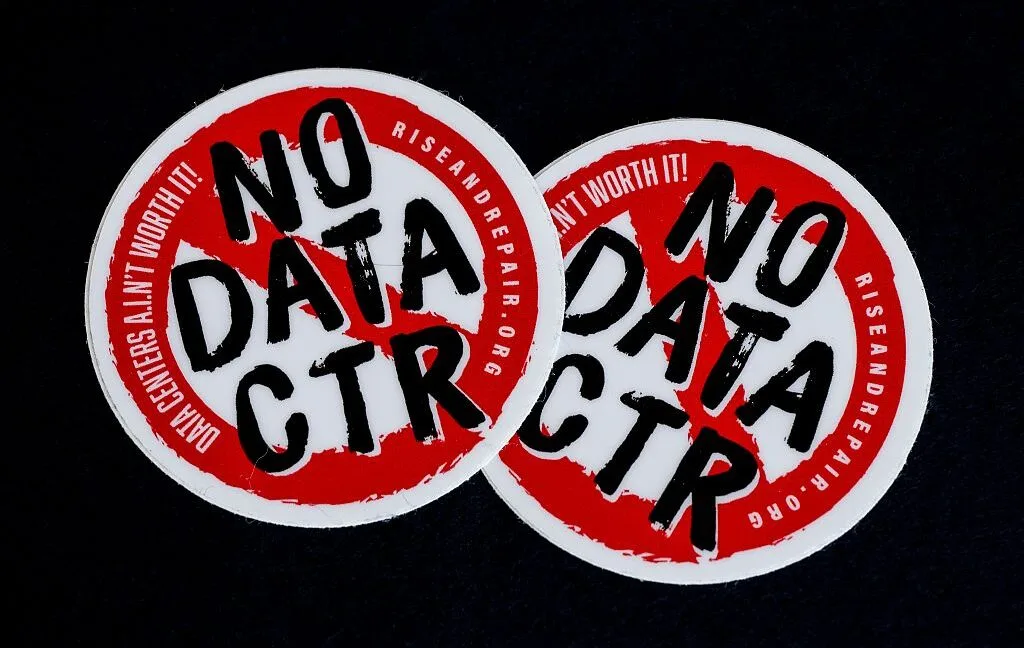
Protesters and local opposition groups have blocked or delayed at least 75 data center projects nationwide in the first quarter of 2026, representing about $130 billion in investment value [1]. At least 833 active opposition groups have formed across 49 states, driven by community concerns over rising electricity costs, increased water consumption, noise pollution, and other local burdens [2, 1].
A Gallup survey found that seven in 10 Americans oppose building AI data centers in their local communities [2]. The opposition spans political lines and includes community political education on issues such as water rights and land use. Sociologist Tressie McMillan Cottom said, "I wasn’t sold on data center resistance as a political possibility, but time on the ground changed my mind" [1].
The growing backlash has led hundreds of bills related to data center construction to be introduced across state legislatures in 2026. At least 11 states have proposed moratoria on new data center construction to study environmental and social impacts before approving projects [2].
Tech executives have warned that opposition and regulation slowing down US data center construction could allow China to gain an advantage in AI infrastructure [2]. China launched its Eastern Data, Western Computing initiative around 2022, relocating data centers to western regions with abundant land and renewable energy [2]. However, China's plan faces challenges including latency, intermittent renewable supply, costly energy storage, and long-distance transmission difficulties [2].
The resistance to data centers in the US highlights broad community concerns transcending traditional politics. Local residents increasingly voice pushback against perceived environmental and resource strains.
The next major legislative sessions on state moratoria and data center regulations are expected later in 2026, as community groups and industry stakeholders continue to contest new projects and policies nationally.