Many companies invested heavily in artificial intelligence following the launch of ChatGPT, initially offering AI services at low prices subsidized by investors [1]. However, AI costs have been rising rapidly, driven especially by expensive AI agents that perform complex tasks by running multiple concurrent processes [1, 2].
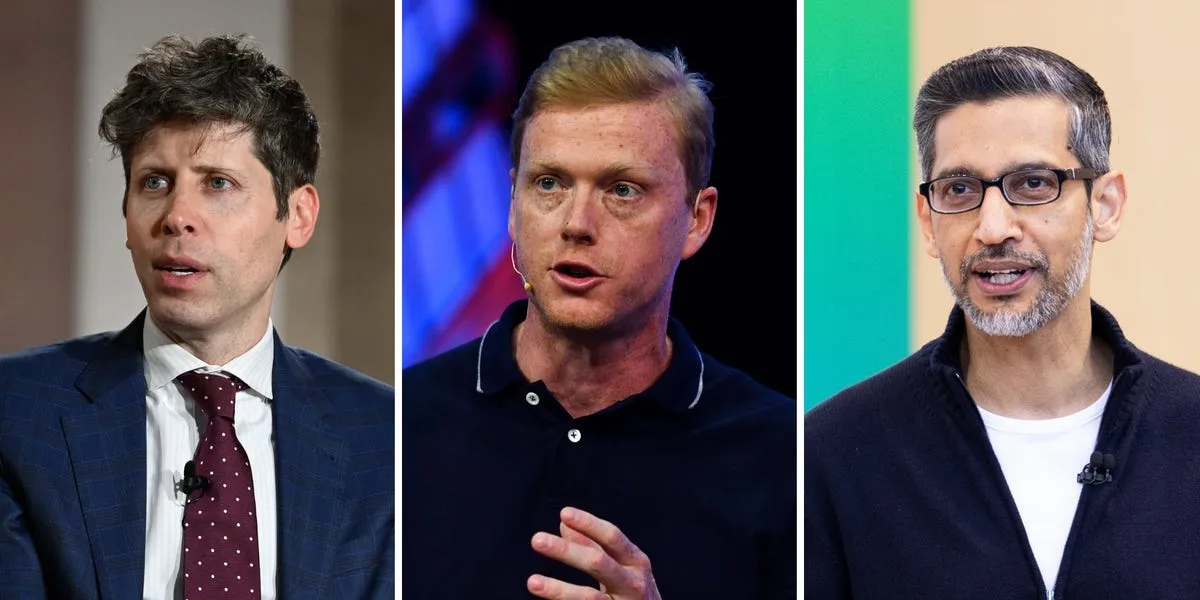
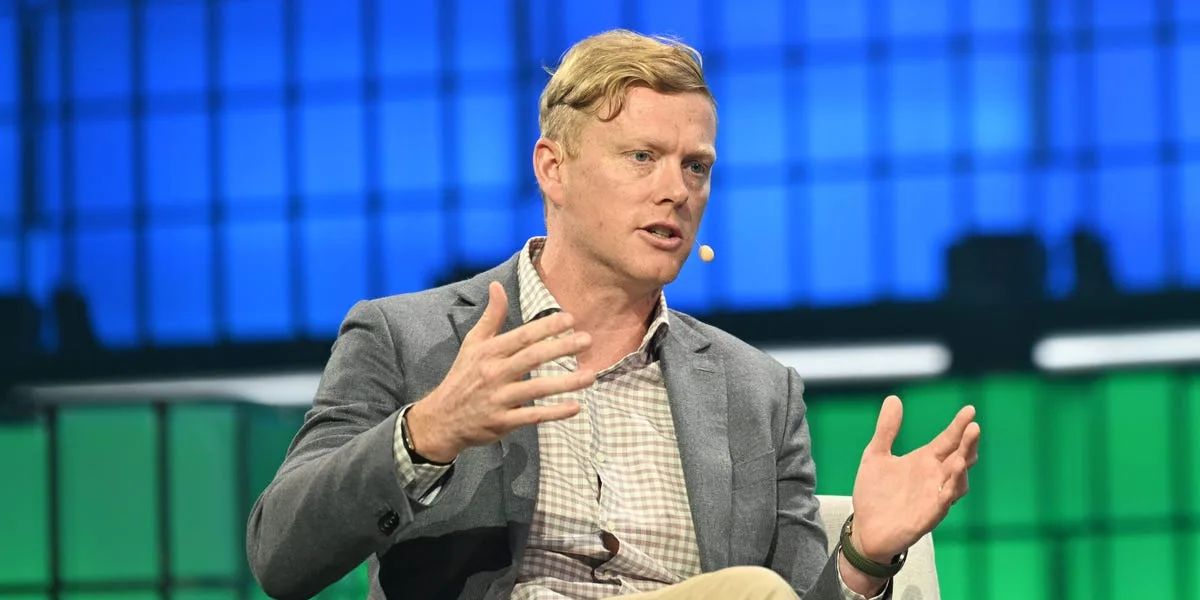
Uber’s chief operating officer, Andrew Macdonald, said he has not seen a clear connection between increased AI token usage and direct improvements in productivity or revenue. "That link is not there yet, right? I think maybe implicitly there is more that is getting shipped, but it's very hard to draw a line between one of those stats and, 'OK, now we're actually producing 25% more useful consumer features,'" Macdonald said [1, 3, 2]. Uber spent its entire annual AI budget within the first four months of 2026, exhausting the funds by April [3, 2].
At the Google I/O conference in May 2026, Google CEO Sundar Pichai expressed concern about companies overspending on AI without sufficient returns. "I think the problem is going to get worse as we go through the year," Pichai said [3]. The practice known as "tokenmaxxing," which involves maximizing AI token use to boost output, is seen by many as wasteful and leading to budget overruns [3]. Visa reportedly spends nearly 2 trillion AI tokens monthly [3].
OpenAI CEO Sam Altman acknowledged the rising AI costs and unclear productivity benefits. "There's a lot of great things I hear from companies, the negative one I hear is 'our spending is going up and up, people feel like they're being very productive… but where is the revenue, where are the actual productivity gains?'" Altman said. He added that AI is still new and that it will take time to learn how to run companies more efficiently and build effective new products with AI [2].
Some tech leaders suggest the greater challenge is not token spending itself, but failure to integrate AI effectively. Investor and entrepreneur Mark Cuban stated, "Companies have long failed at integrating new tech" [2].
Uber’s budget exhaustion by April and ongoing warnings from Google’s CEO illustrate growing pressure to control AI expenses amid unclear productivity returns. Industry leaders and companies will be watching carefully as they adjust AI spending in the coming months.