A four-tonne upper stage of a SpaceX Falcon 9 rocket unintentionally crashed into the Moon near Einstein Crater at about 2:35 a.m. Eastern Time (06:35 GMT) on August 5, 2026 [1, 2, 3, 4]. The rocket segment weighed approximately 4,000 kilograms (8,800 pounds) assuming all fuel was spent [1, 2, 5, 4]. It struck the lunar surface at roughly 5,400 miles per hour (8,690 km/h) [1, 6, 2, 3, 5, 4, 7].
NASA estimates the impact created a crater approximately 60 feet (18 meters) wide and 12 feet (3.6 meters) deep, though some assessments suggest it could be as large as 89 feet (27 meters) in diameter [3, 8, 7]. The crash is only the second known accidental rocket debris impact on the Moon, following a 2022 Chinese rocket strike on the far side [6].
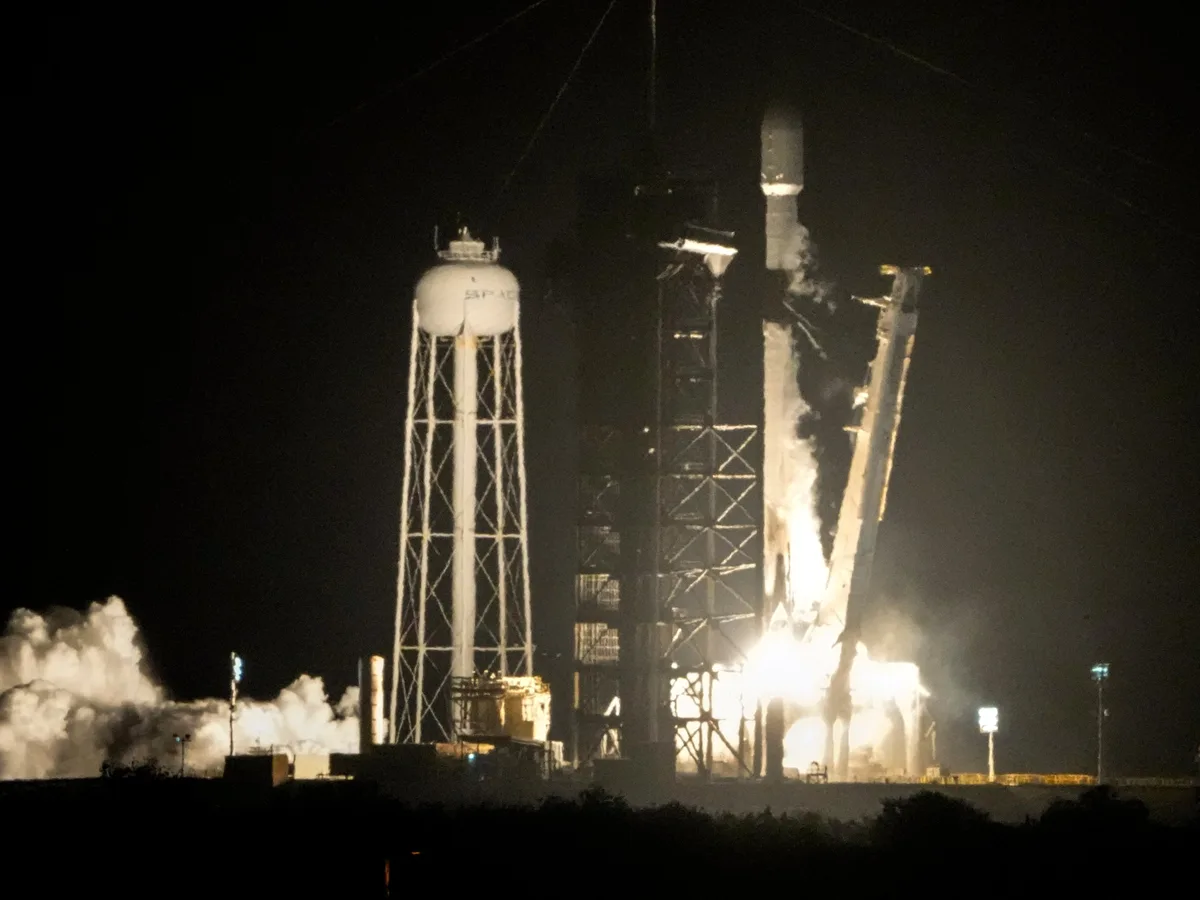
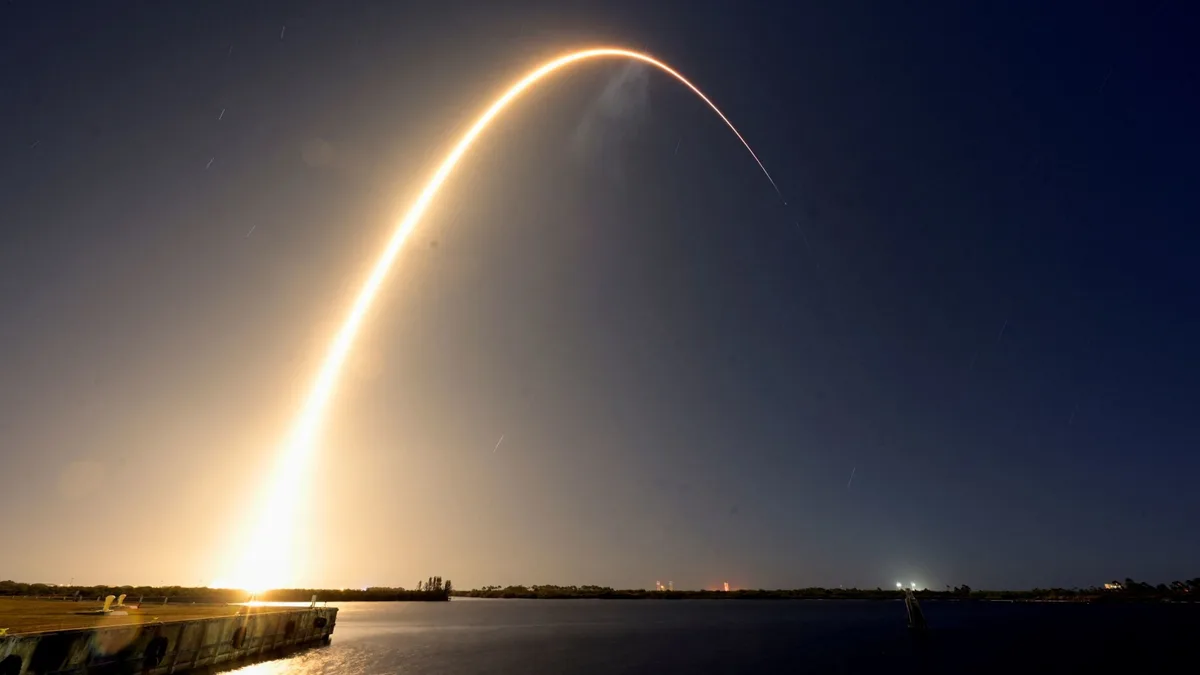
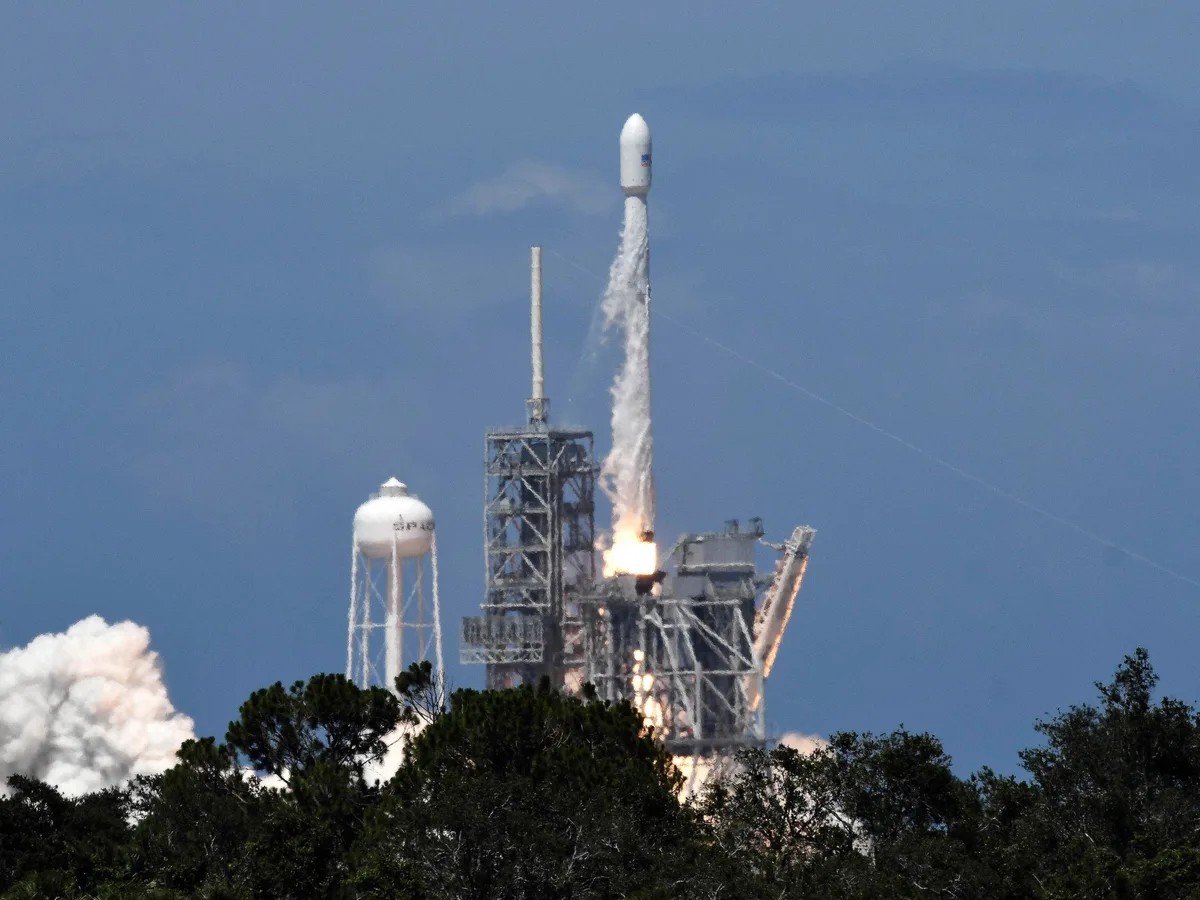
The upper stage originated from a Falcon 9 launch on January 15, 2025, which carried two lunar landers: Firefly Blue Ghost and ispace RESILIENCE [2, 3, 7]. While the Falcon 9 booster returned safely to Earth, the upper stage remained in space. Over time, solar activity and gravitational pulls from the Sun, Earth, and Moon altered its orbit, forcing it onto a collision course with the Moon [1, 6, 2, 5, 4]. SpaceX noted it did perform disposal maneuvers, but external forces ultimately caused the impact [1].
NASA spokesperson Jimi Russell said, "There is no danger to Earth. NASA will continue to track the booster for training purposes, as well as later observe the impact site for scientific purposes" [1]. Benjamin Fernando of Los Alamos National Laboratory added, "It might be possible for folks with a telescope to observe the plume of ejecta created by the impact. It is unclear how bright it will be, which is one of the reasons why we are looking to study this event" [1].
Following the impact, Earth-based telescopes could not capture the impact flash due to lighting and visibility conditions, but the European Southern Observatory’s Very Large Telescope in Chile detected sodium and lithium spectral lines from the impact plume [8, 7]. NASA’s Lunar Reconnaissance Orbiter (LRO) and South Korea’s Danuri spacecraft plan to image and study the new crater in the coming days [6, 3, 8, 4].
Space tracking expert Bill Gray said the event "doesn’t present any immediate danger, though it does highlight a certain carelessness about how leftover space hardware is disposed of" [6]. Scientists see the impact as a rare opportunity to study high-velocity collisions, ejecta plume dynamics, and space debris hazards on lunar operations [1, 5, 4].