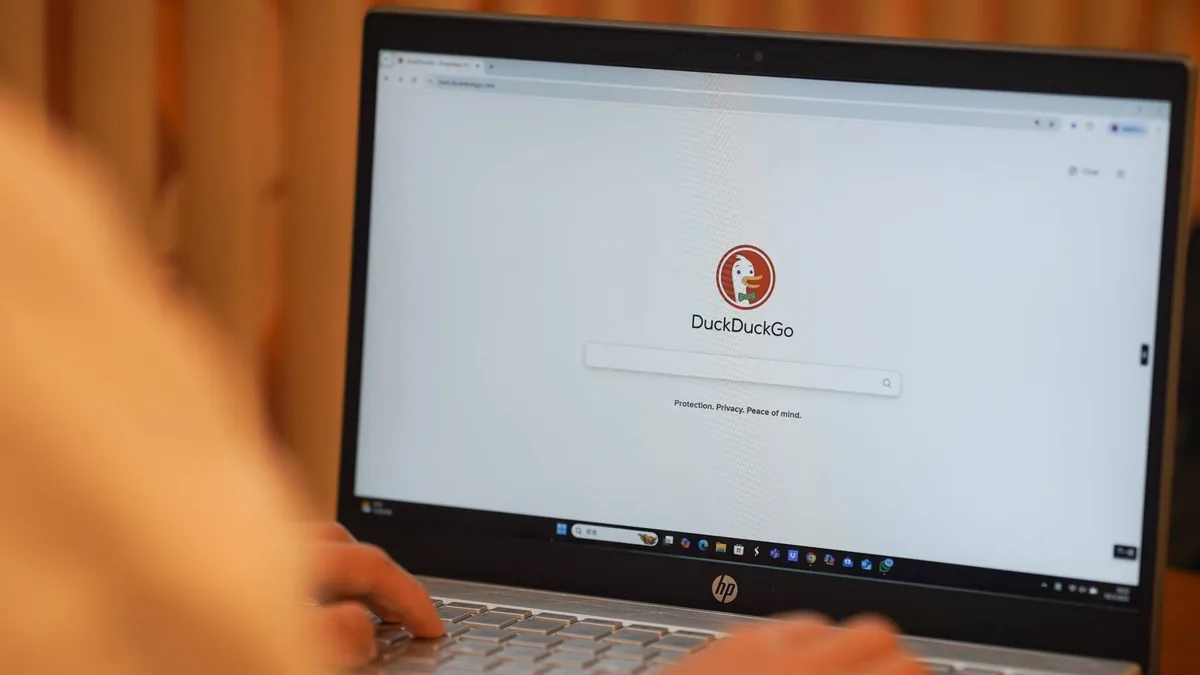
DuckDuckGo experienced a notable increase in app installs in the US after Google announced its expanded AI-powered Search redesign on May 19, 2026, at its I/O conference [1, 2, 3]. From May 20 to May 25, DuckDuckGo’s US app installs rose on average 18.1% week-over-week, peaking at 30.5% growth on May 25 [1, 3]. On iOS, growth was even stronger, averaging about 33%, with a peak of roughly 69.9% week-over-week on May 25 [1, 4, 2, 3].
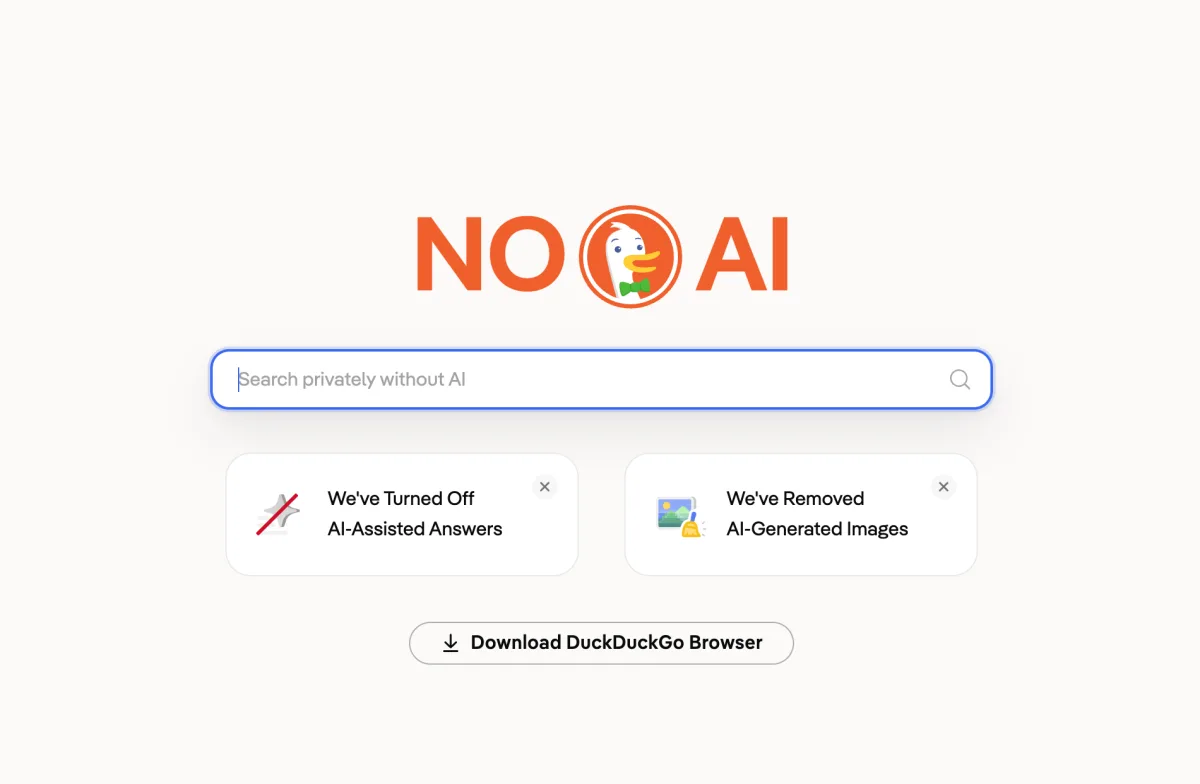
Visits to DuckDuckGo’s AI-free search page, noai.duckduckgo.com, also increased significantly. Daily visits rose an average 22.7% week-over-week from May 20 to May 25, reaching a peak growth of 27.7% on May 24 [1, 4, 2, 3]. These upward trends in usage sustained through the Memorial Day weekend, a period that typically sees lower online traffic [1, 3].
Google’s new Search redesign includes an AI Mode that delivers AI-generated answers, extended queries, and AI background agents, reducing traditional blue link results [1, 2, 3]. DuckDuckGo CEO Gabriel Weinberg criticized this approach, saying, "Google is force-feeding AI with no way to opt out. As a result, their results are getting worse, not better. We want to be the place that puts users in charge and allows them to decide how much or how little AI they want" [1, 4, 2, 3].
DuckDuckGo offers its own AI product, duck.ai, powered by Anthropic’s Claude 4.5 Haiku. It is free, does not require user accounts, and emphasizes privacy protection [1, 4]. Despite the surge in activity, DuckDuckGo holds around 2% of the US search market, while Google controls about 85% as of April/May 2026 [1, 4].
On May 26, DuckDuckGo reported a peak weekly install growth of 37.6% in the US [2]. The trend of rising installs and visits continued over the Memorial Day weekend through May 27, defying typical holiday traffic declines [1, 3].