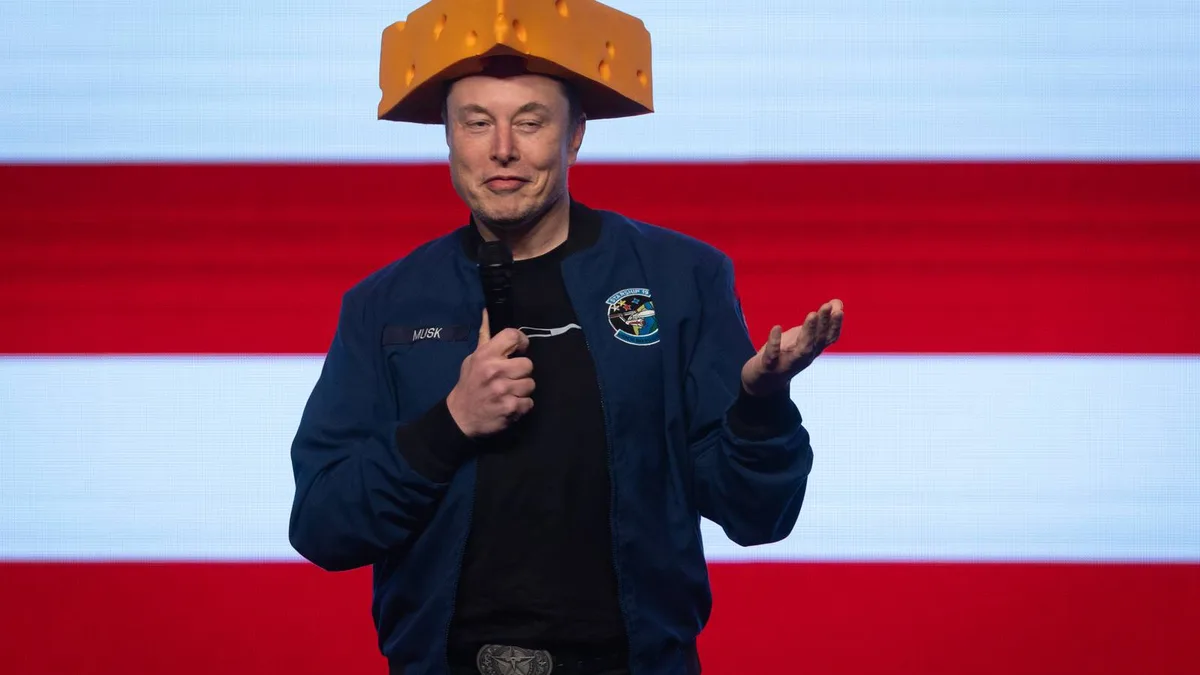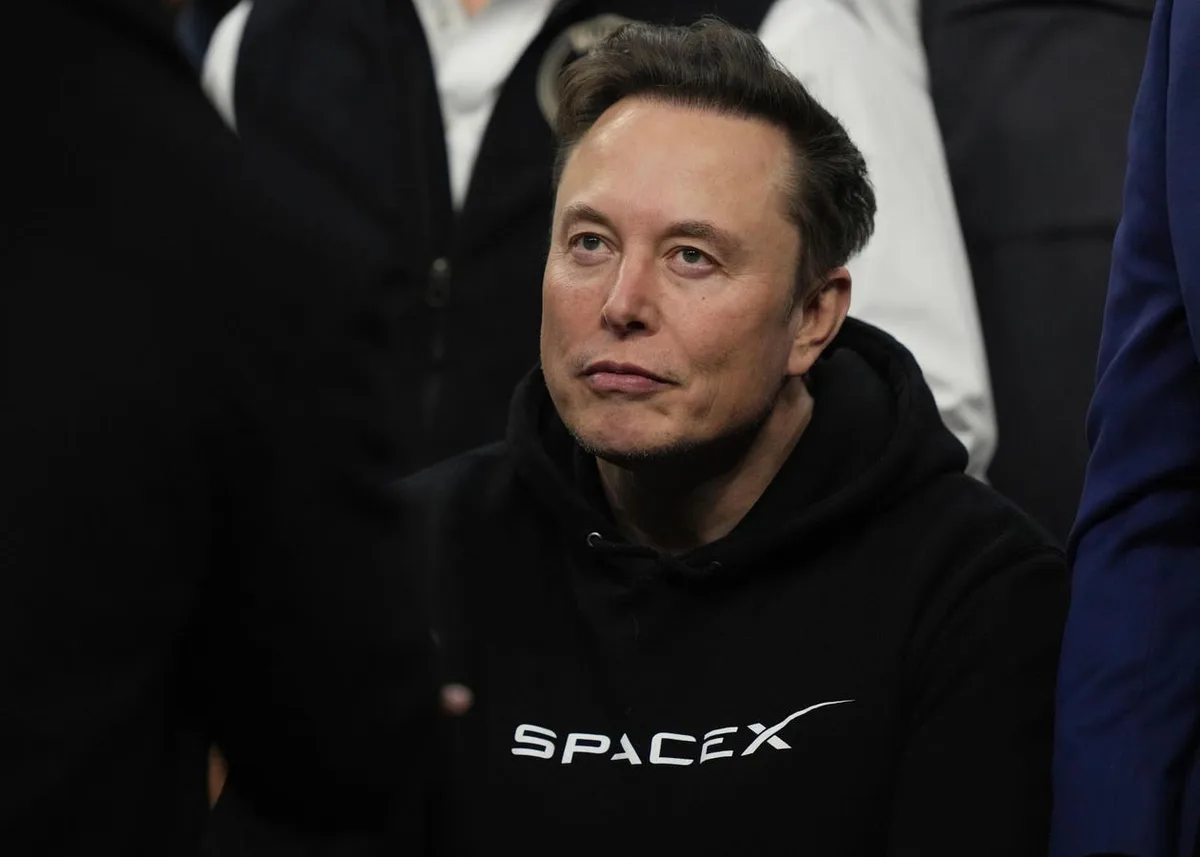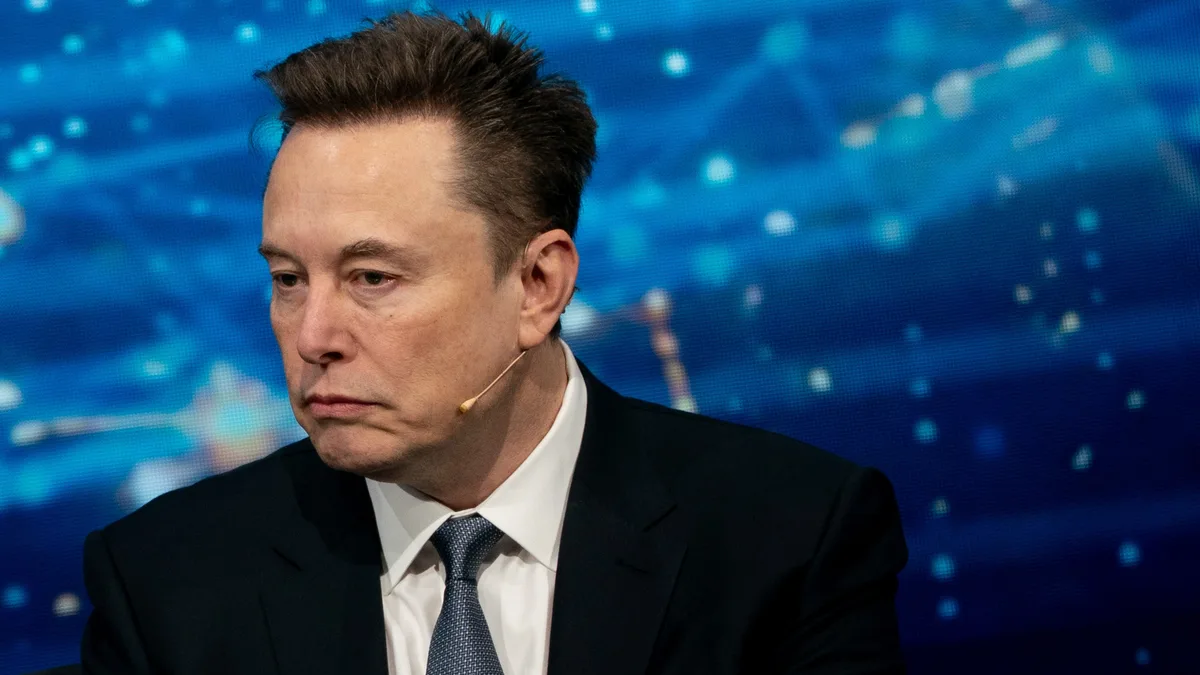
Elon Musk announced on July 22 that his AI project, Grok Imagine, will produce a full-length film of The Odyssey true to Homer's art and historically accurate by the end of 2026 [1, 2]. Musk said, "Before this year ends, Grok Imagine will make a full-length movie of The Odyssey that is historically accurate and true to the art of Homer" [1].
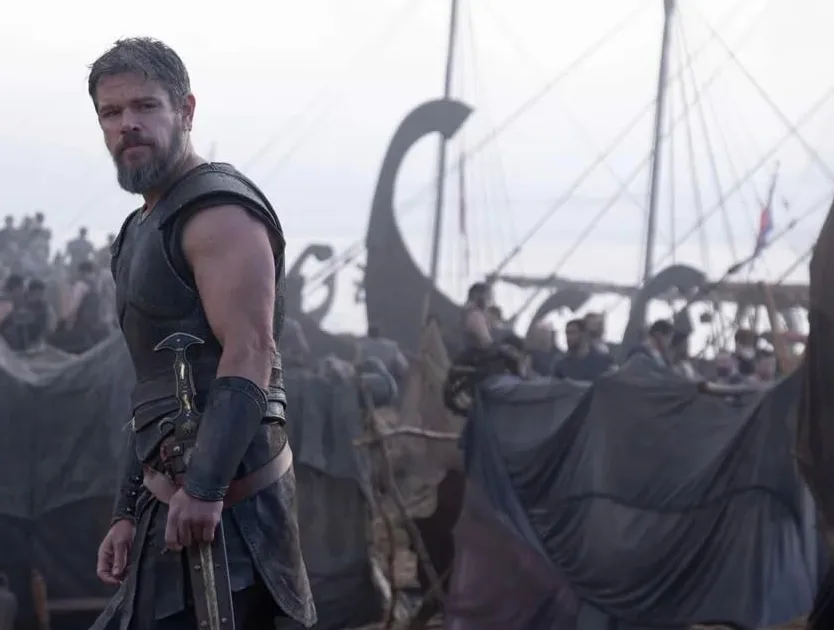
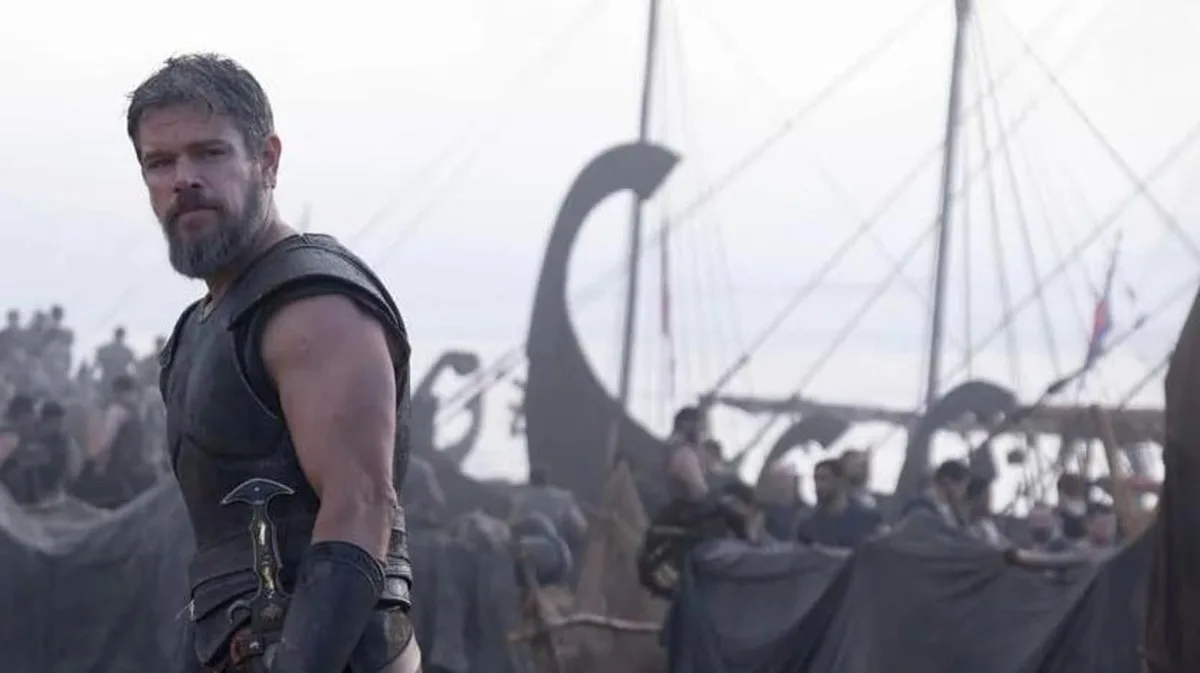
Musk has criticized director Christopher Nolan's upcoming The Odyssey film for its casting and historical changes, particularly the inclusion of Black and transgender actors and story alterations [3, 1, 2]. Actress Lupita Nyong’o, part of Nolan's cast, defended the choices as representative of the world and dismissed the criticism [1].
Musk also responded positively to a social media proposal to fund Mel Gibson with $100 million to create a historically accurate Odyssey movie featuring authentic ships, armor, weapons, and Homeric Greek dialogue [4, 2]. This offer signals Musk’s interest in traditional historical accuracy alongside AI filmmaking.
However, some Greek scholars and translators question whether any truly historically accurate version of The Odyssey can exist due to its roots in oral tradition and multiple authorship over centuries [3, 1, 2]. Despite this, Musk and his supporters argue Nolan's film strays too far from the original meaning and historical context [3, 1, 2].
A teaser clip generated by Grok Imagine was retweeted by Musk but drew criticism for low quality and including unrelated pop culture references, highlighting early challenges for AI-driven creative projects [3, 4].
Grok Imagine’s full-length film remains scheduled for completion by the end of 2026, marking a rare attempt to use AI for recreating a classical epic with claimed historical fidelity [1, 2].