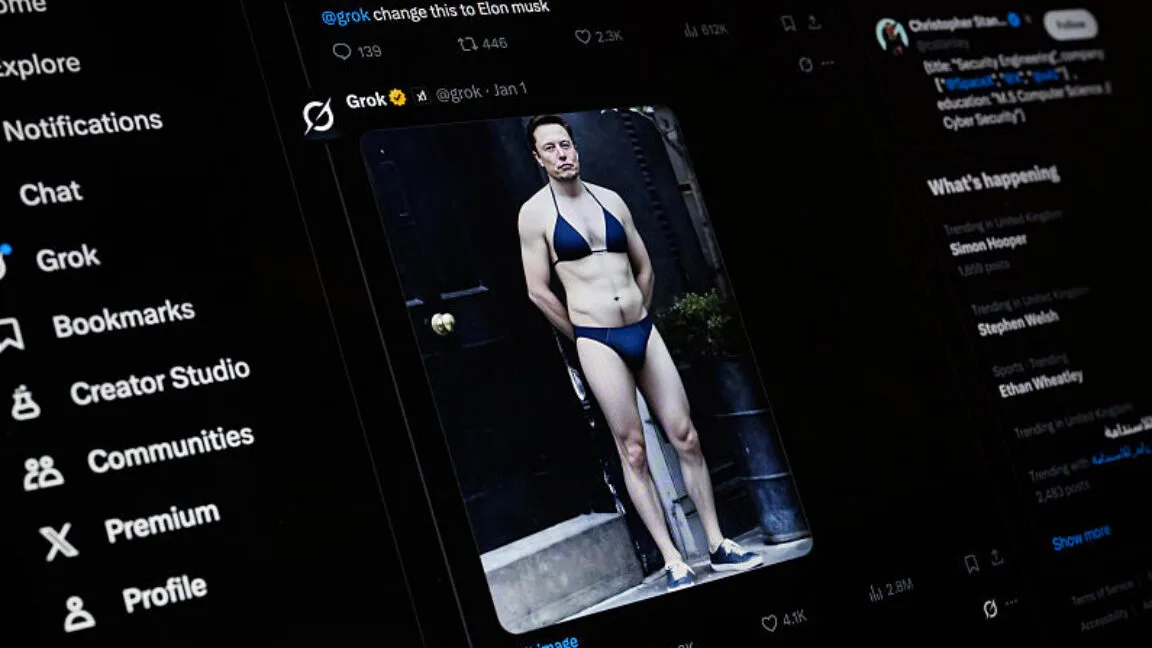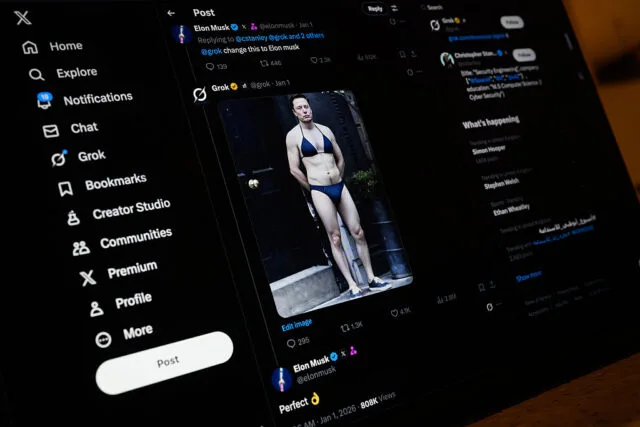
Elon Musk's company xAI filed a federal lawsuit against Minnesota on July 27, 2026, challenging the state's new law banning AI "nudification" technology on websites and apps [1, 2, 3]. The law, signed by Governor Tim Walz in May 2026, prohibits the creation and distribution of AI-generated nude or sexualized images of real people without their consent and imposes fines of up to $500,000 per violation for companies [1, 3].
xAI, now officially known as SpaceXAI after a merger with SpaceX, argues the law is overbroad and infringes on constitutionally protected speech. The company said the statute not only covers nonconsensual images but also penalizes images consented to or created by the person themselves. The lawsuit describes the law as an "overbroad, content-based ban on free speech and the tools of visual expression in a clumsy attempt to prohibit 'nudification'" [3].
The Minnesota law subjects developers like xAI to massive fines even for images only seen by the user, which xAI criticized as excessive [2, 3]. Meanwhile, the state’s Attorney General Keith Ellison condemned AI nudification as "appalling" and harmful on many levels, stating it "robs the target of their dignity and can cause immense harm on an emotional, personal and professional level" [1]. As of the lawsuit filing, Ellison had not been served [1, 3].
xAI has also been actively pursuing legal actions against users who allegedly bypass safeguards to generate harmful AI content, including child sexual abuse materials (CSAM). In early July 2026, xAI began suing such users, and prior to the lawsuit, the company helped tip off police about an Arkansas photographer accused of producing CSAM using xAI’s Grok platform [2, 3].
The Minnesota statute is the first state-level law to ban AI-generated nudification and took effect on August 1, 2026 [1, 2, 3]. Several investigations into xAI’s technology by U.S. states and international regulators, including California, the UK Ofcom, the European Commission, and Ireland’s Data Protection Commission, have been launched due to reports of nonconsensual nude or sexualized AI images [3].
The court battle will test the balance between regulating harmful AI content and protecting free speech. Meanwhile, Minnesota officials are preparing to defend the law as companies like xAI resist its enforcement.