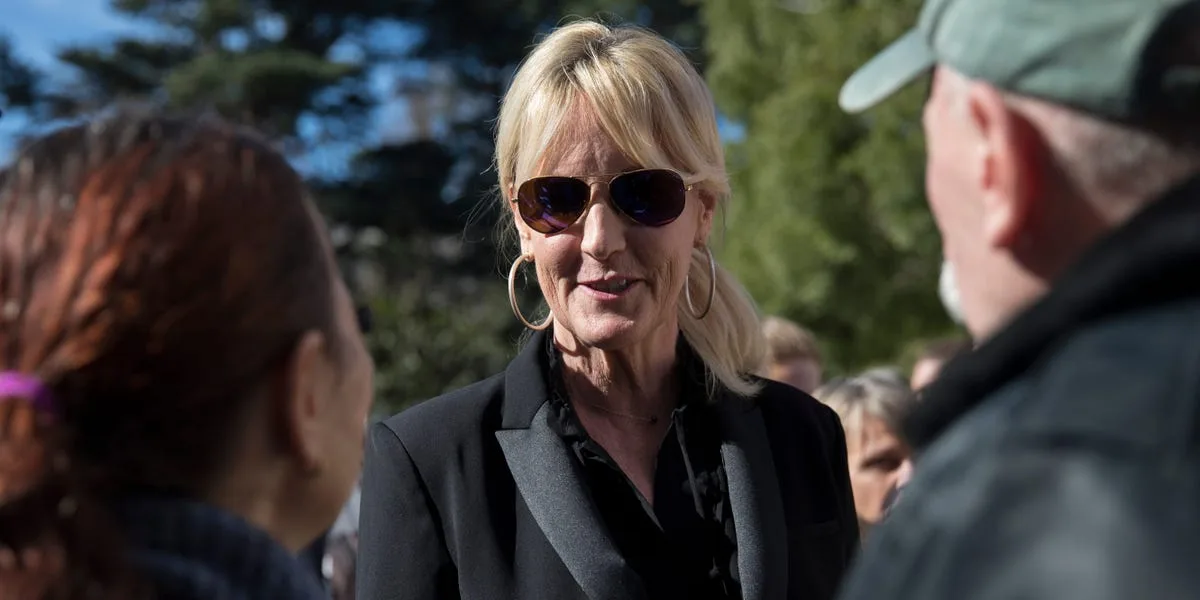
Erin Brockovich launched a website mapping data centers across the United States, using data submitted directly by local communities. She received nearly 4,000 submissions within the first month after issuing a call for reports in April 2026, signaling widespread public concern [1].
Brockovich emphasized that "the single most common concern — more than noise, more than water usage, more than rising utility bills — is the one word that keeps appearing in submission after submission: transparency" [1]. She added that "there's a lot of secrecy and NDAs at a very proposal stage," which leaves communities feeling sidelined from decisions impacting their neighborhoods [2].
Residents say many data center projects are "shoved down their throat" under nondisclosure agreements, masking details about the developments. Some projects have been initially presented to communities as warehouses rather than data centers. These tactics have fueled mistrust and sparked recent high-profile community backlashes, including against a large project in Utah backed by investor Kevin O'Leary [2].
Responding to community concerns, Utah Governor Spencer Cox unveiled a new framework on May 29, 2026, for data center development in the state. Cox said, "Utahns deserve confidence that water resources, air quality, utility rates, wildlife, and quality of life will be protected. This framework helps ensure that data center development aligns with Utah's long-term interests and reflects Utah values" [2].
Meanwhile, Microsoft announced earlier this year it would stop requiring nondisclosure agreements during early project stages and launched a Community-First AI Infrastructure Plan. A company statement said, "We've made the decision that being transparent with the communities where we operate or seek to operate is paramount. This shift is about strengthening public trust, enabling better dialogue, and ensuring that our growth is matched by meaningful engagement" [2].
Brockovich’s effort provides an accessible platform for the public to monitor data center growth, amplifying community voices that have long felt excluded from planning processes. The coming months may show how governments and corporations implement more open policies and whether projects can proceed with greater local support.
The next key milestone is the implementation and monitoring of Utah’s new development framework set in motion on May 29, 2026. It aims to balance economic development with environmental and community safeguards [2].