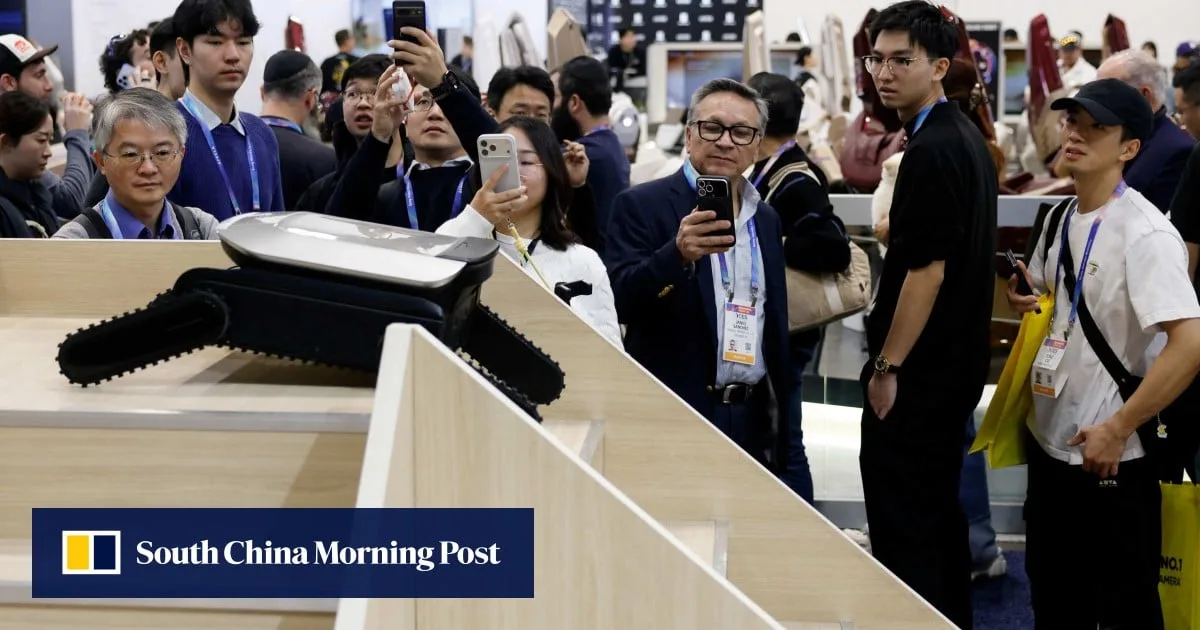
The US Federal Communications Commission (FCC) added "foreign-produced advanced robotic devices" to its Covered List on July 28, 2026, effectively banning new imports of humanoid, quadruped, and certain home robots such as robot vacuum cleaners [1, 2, 3]. The ban covers mechanical mobile devices capable of locomotion, obstacle avoidance, navigation, equipped with sensors and network connectivity exceeding 200 kbps, and weighing more than 4.4 pounds (2 kilograms) [1, 4, 3].
Existing authorized robotic models remain unaffected for now. Companies can apply for waivers but must provide detailed manufacturing plans. The waiver process does not require security improvements [2, 3]. The FCC cited cybersecurity threats and supply chain vulnerabilities as the reason for the ban, labeling such foreign robotic imports an unacceptable risk to US national security and safety [2, 1, 3].
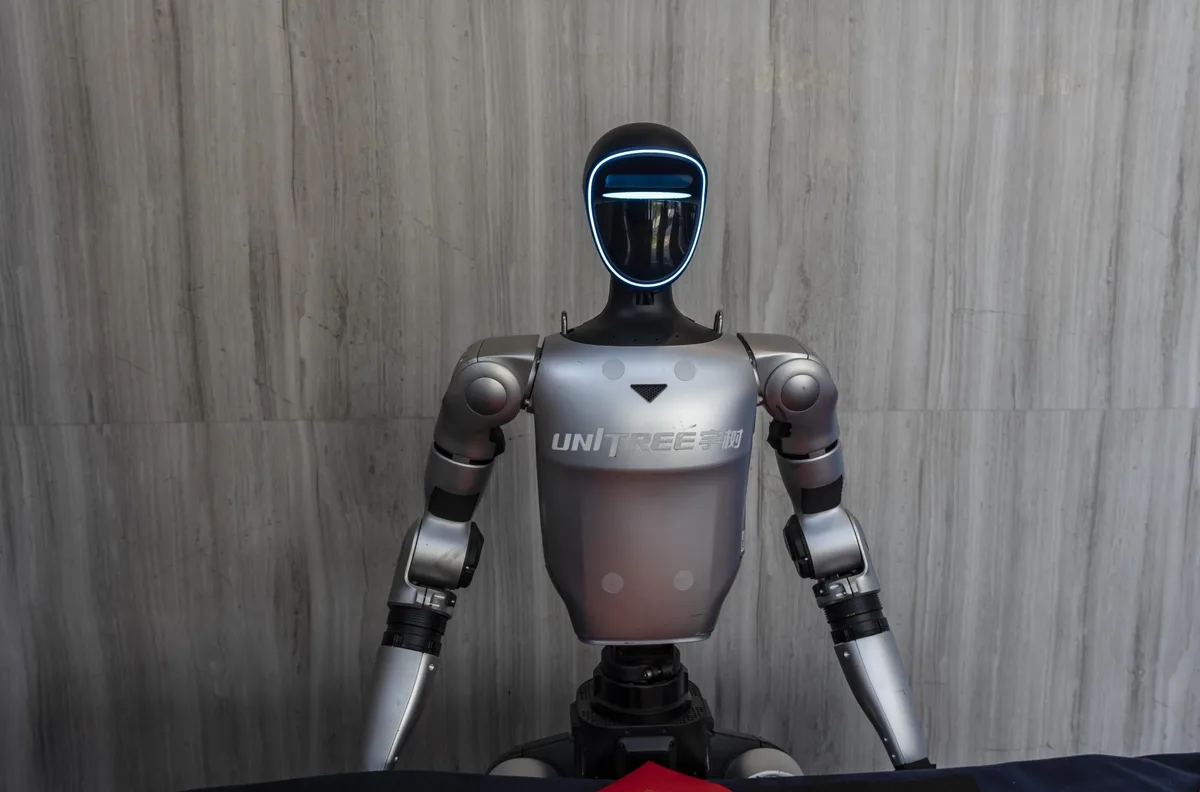
Chinese companies dominate the global market for robotic vacuums, controlling about 68% of the market share in 2025. Brands like Roborock, Ecovacs, Dreame, Xiaomi, and Narwal Robotics lead the sector, which shipped 24.1 million units globally that year [4]. Chinese humanoid and quadruped robot manufacturers such as Unitree accounted for roughly 90% of global humanoid shipments in 2025 [5]. Quadruped robots start at around $3,000 retail, while entry-level humanoids begin near $6,000; Tesla’s Optimus humanoid robot is estimated to cost between $20,000 and $25,000 to manufacture when mature [5].
US robotics startups and university researchers expressed concern that the import ban will restrict access to affordable Chinese-made robots, which serve as important platforms for experimentation and product development. Vedant Nair, cofounder of YC-backed Miru, said, "This will severely hamper their ability to build useful products" [5]. AJ Meyer, CEO of Pickle Robot, acknowledged security concerns, stating, "I would never put a Unitree robot into a customer site and hook it up to the internet as it comes out of the box" [5].
Some US manufacturers support the ban to protect domestic industry from subsidized Chinese competition but admit benefits may be limited to a small segment of the robotics market [5].
Beijing condemned the decision as protectionist, with Chinese foreign ministry spokesperson Mao Ning saying, "China has consistently opposed the US broadening the concept of national security to suppress Chinese companies. Protectionism cannot improve US competitiveness and will only harm American companies and consumers" [2]. The Chinese government announced it would take necessary measures to protect its enterprises’ rights and interests [2].
The ban also targets foreign-produced power inverters, especially from Chinese companies like Sungrow and Huawei, citing national security concerns [3].
The FCC’s import ban took effect on July 28, with China’s foreign ministry publicly condemning it around August 5, 2026 [1, 2]. Companies interested in importing affected robotics can still apply for waivers, but must meet the FCC’s documentation requirements [2, 3].