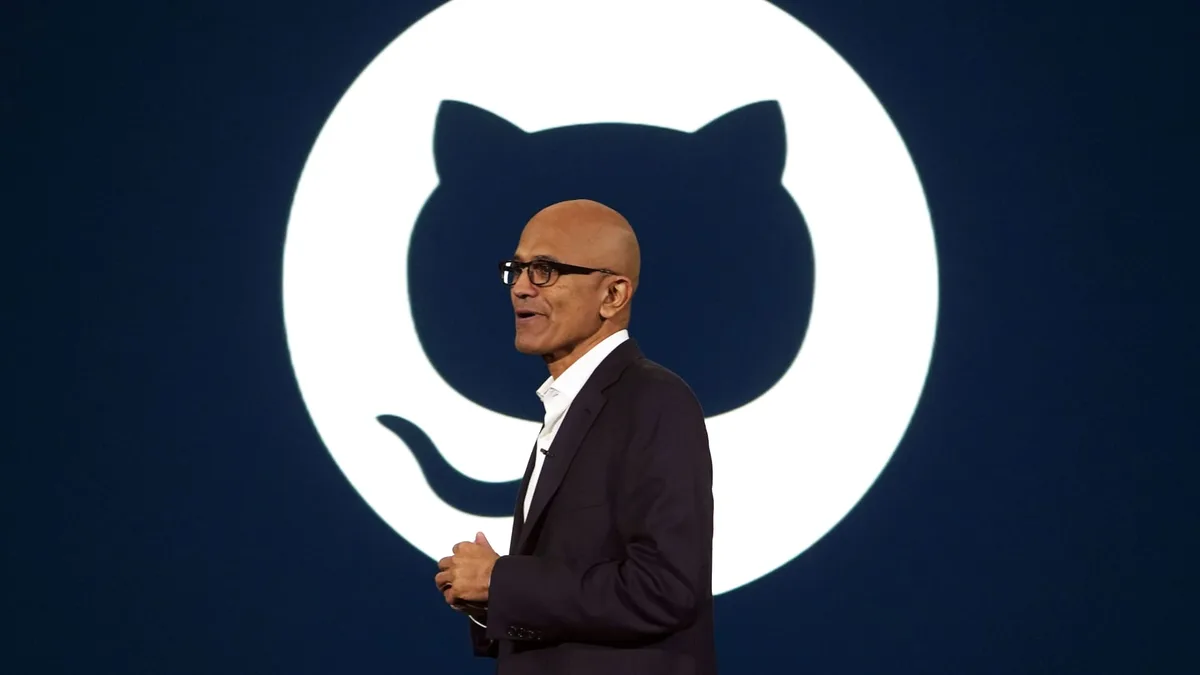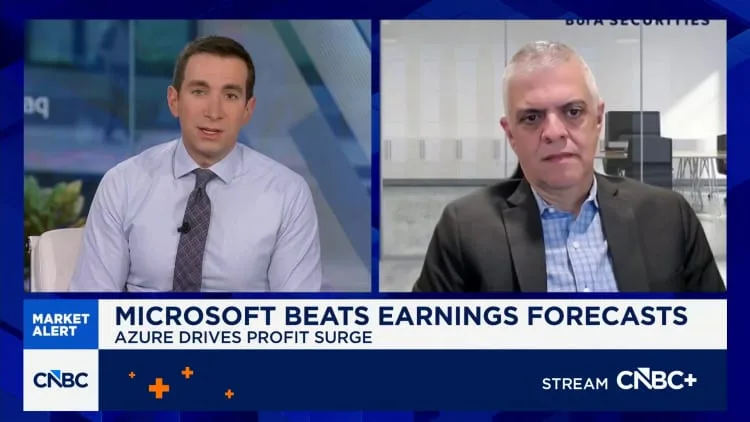
Microsoft acquired GitHub in 2018 for $7.5 billion, expanding the developer platform's reach sixfold since then [1, 2]. Despite growth, GitHub has suffered multiple major outages in recent weeks, disrupting service for key clients including Cisco [1, 2]. The reliability issues have raised questions about GitHub’s suitability for enterprise workloads [2].
In early May 2026, GitHub disclosed a significant security breach after an employee’s device was compromised via a poisoned VS Code extension. The attacker accessed around 3,800 internal code libraries, triggering serious concerns about platform security [1, 2]. The breach followed earlier remote code execution vulnerabilities, indicating ongoing challenges securing the service [1].
Leadership at GitHub shifted in summer 2025, when CEO Thomas Dohmke resigned. Microsoft chose not to appoint a new chief executive, instead placing GitHub under the oversight of its CoreAI team, led by former Meta engineering head Jay Parikh [1]. Parikh, recruited by Microsoft CEO Satya Nadella to lead AI efforts, reportedly decided against naming a GitHub CEO amid internal resistance [1].
Talent retention has become an issue. At least 11 of the 30 employees at Dohmke’s new startup Entire previously worked at GitHub. Entire’s focus may directly compete with GitHub, signaling a troubling exodus of skilled staff [1].
GitHub’s AI coding assistant Copilot has also fallen behind rivals such as Cursor and Claude Code in the past year, reflecting struggles in innovation [1]. Meanwhile, some enterprise customers are actively exploring alternatives like GitLab, Amazon, and Atlassian products while GitHub remains well ahead of GitLab in overall DevOps market spending [2].
Despite these difficulties, GitHub's developer base remains six times larger than at acquisition and the platform still dominates significant portions of the developer tools market [2]. The recent disruptions and security lapses mark one of the most challenging periods in GitHub’s history under Microsoft.
GitHub’s immediate focus will be restoring stability and trust with customers following the May breach and repeated outages. No new CEO has been announced as oversight continues under Microsoft’s CoreAI team [1].