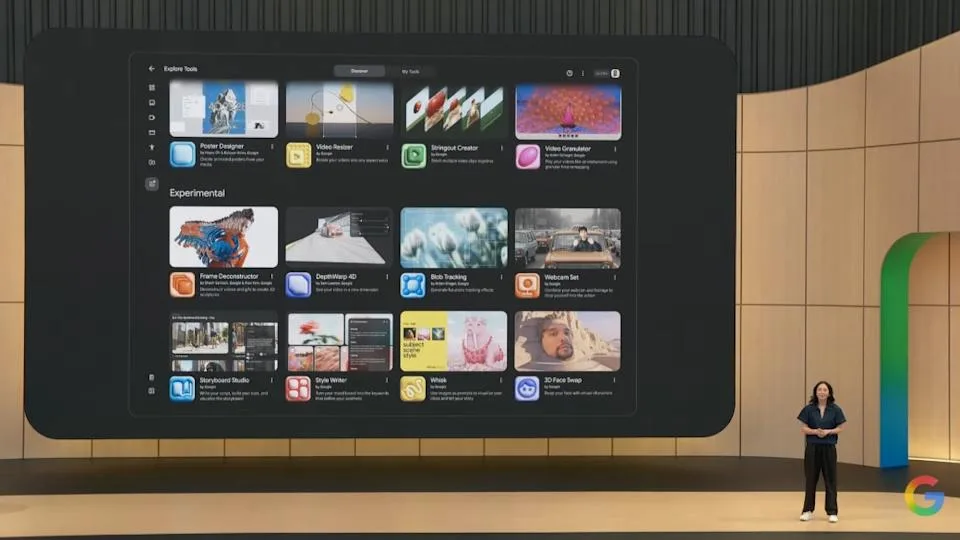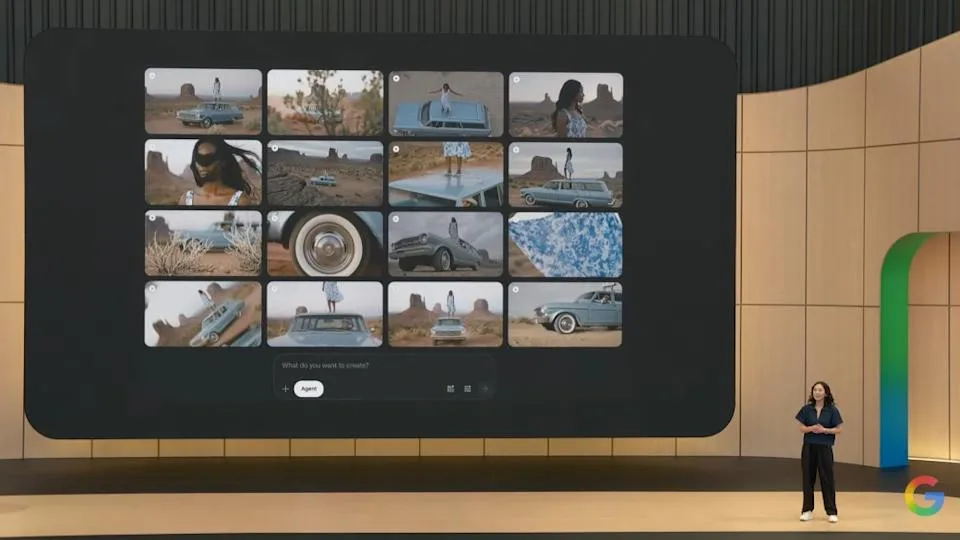
Google announced enhancements to its AI creative tool Flow at its annual I/O developer conference in Mountain View, California [1]. Launched last year under Google Labs, Flow allows users to generate and remix AI videos and images across more than 140 countries and regions [1, 2].
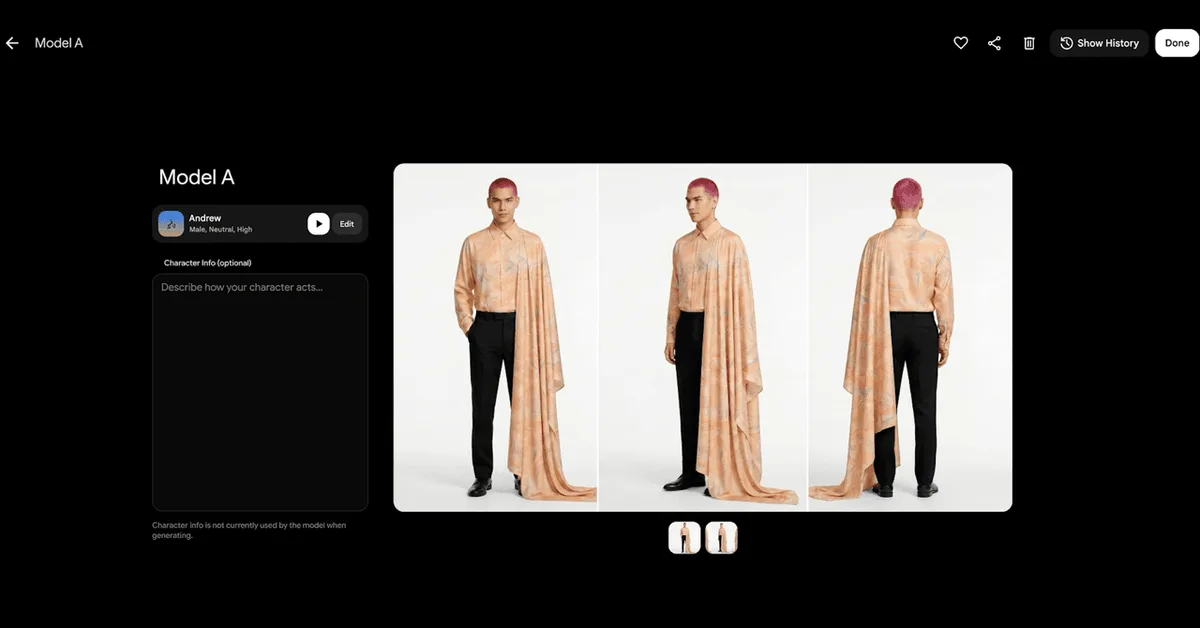
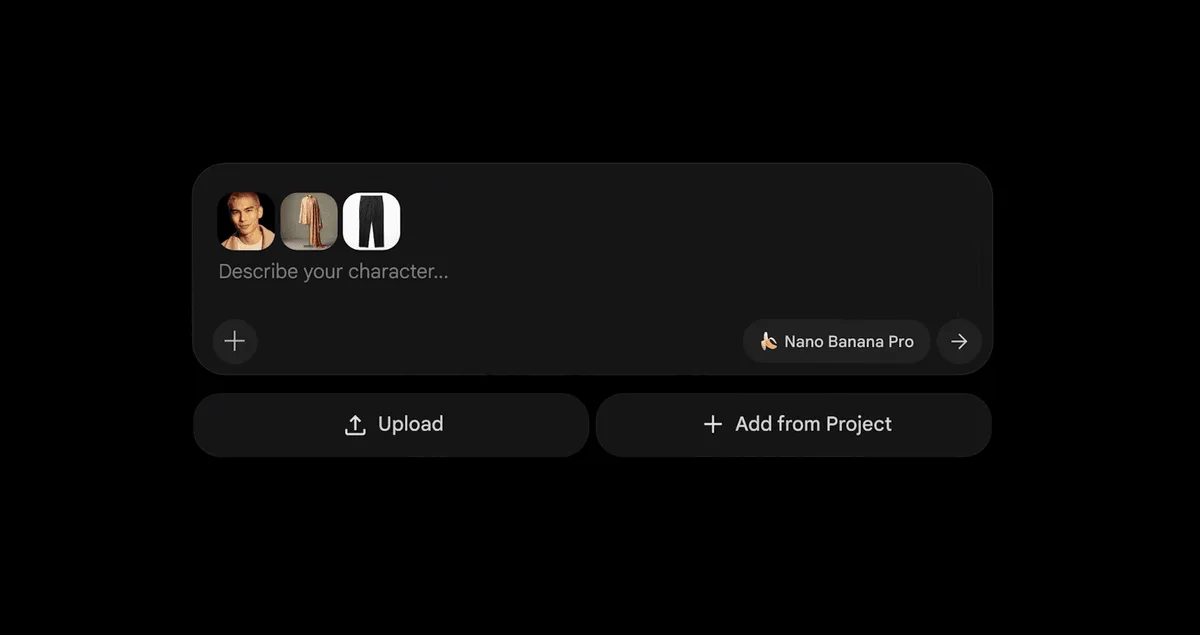
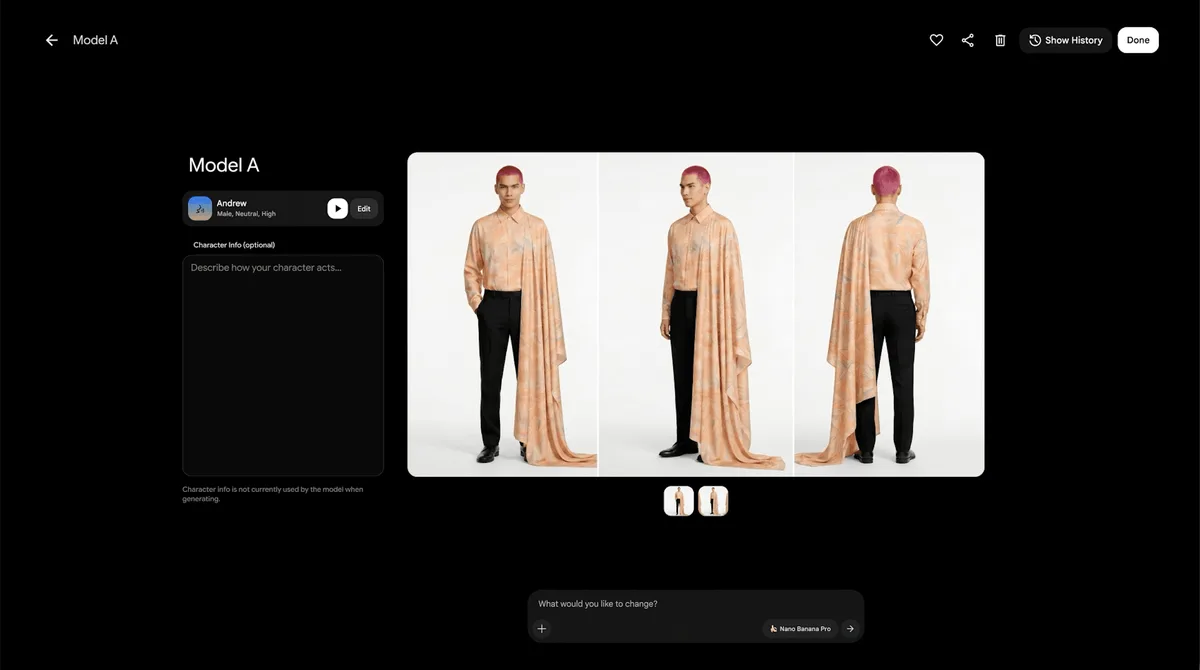
The centerpiece of the updates is the Omni Flash video generation model, which improves detail, character consistency, and multi-modal content creation. Omni Flash enables Flow users to generate video content from any input, including video, using advanced reasoning and media generation technology [1, 2]. Users can now scan their likeness to create digital avatars, inserting clones of themselves into AI-generated videos. Elias Roman, Google Labs VP of Product Management, said, "This is for creators who want to bring themselves into their content but don't want to have to shoot themselves" [1].
Flow now includes a collaborative AI assistant called Flow Agent, based on Google's Gemini model. Flow Agent helps users brainstorm, script, edit, and automate workflows within the platform [2].
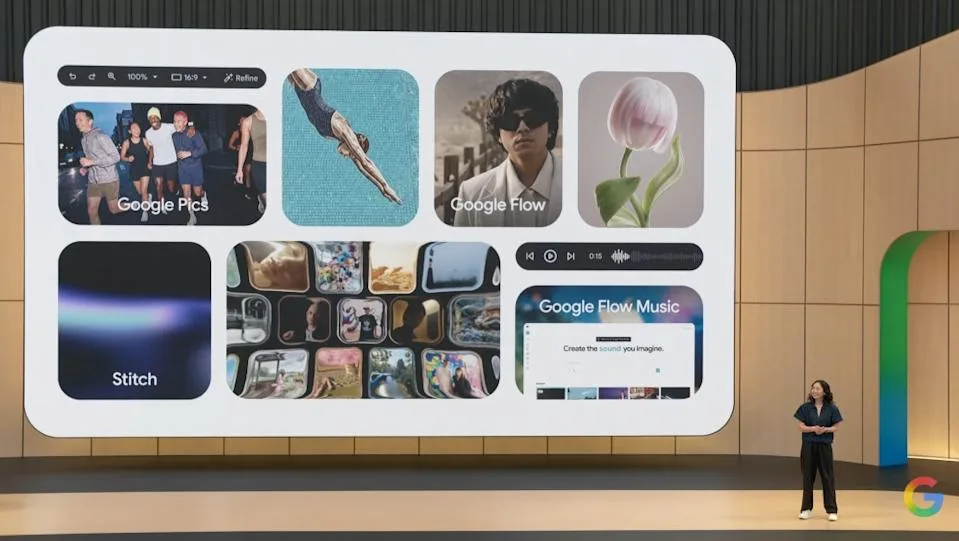
In early 2026, Google introduced Google Flow Music, which uses the Lyria 3 Pro music model to assist artists in creating and editing studio-quality songs [2]. Today, Omni Flash was expanded to integrate with Flow Music, enabling AI-generated music videos controlled by dialogue prompts. This allows artists to produce synchronized visual content alongside their music through AI [2].
Google also updated its Flow mobile apps. The Flow Android beta launched for users aged 18 and older, with an iOS version coming soon. The Flow Music iOS app is already available, while the Android app will be released shortly [2].
These updates mark a significant expansion of Google's AI creative offerings, combining text, video, audio, and avatar generation to enable versatile multimedia content creation powered by Omni Flash.