Google unveiled a redesigned search box powered by a new AI system that expands dynamically to handle longer, conversational queries. The update, which launched globally on May 20, 2026, marks the largest change to Google Search’s input box in over 25 years [1, 2, 3, 4]. Liz Reid, VP of Google Search, said, "It's more intuitive than ever, dynamically expanding to give you space to describe exactly what you need" [4].
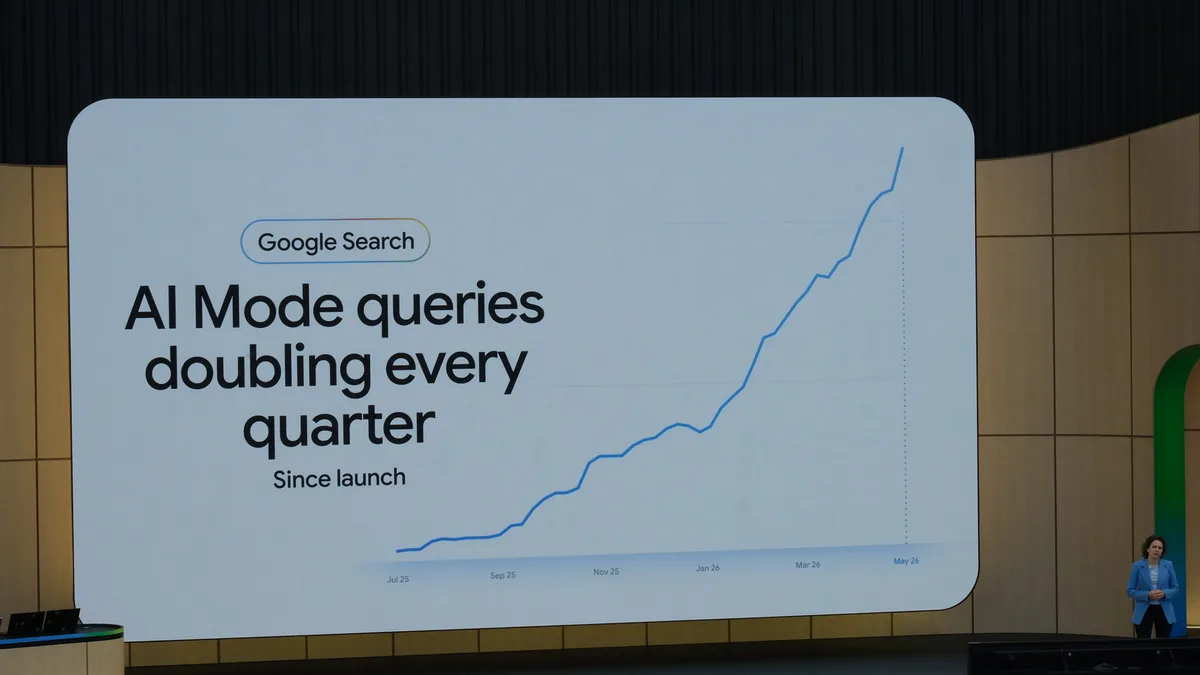
At the same time, Google rolled out AI Mode for Search, featuring AI-generated detailed summaries and chat-style follow ups. AI Mode now has more than 1 billion monthly users worldwide [1, 5, 6, 3]. Google’s new Gemini 3.5 Flash AI model powers the enhanced search experience, offering faster, cheaper, and more robust results. It especially improves responses to coding and multimodal queries that include images, videos, and files attached directly to the search box [1, 7, 3, 4].
Another key innovation is Google's introduction of "information agents" — AI assistants that autonomously track topics, gather data, and notify users about updates or changes based on personal preferences. These agents can integrate with users’ Google accounts, such as Gmail, to manage tasks like event monitoring or booking. Robby Stein, VP of product for Search, explained, "You could be asleep, and it’s researching, finding information, doing tasks for you" [1, 2, 7, 8, 4]. Some advanced agent features will initially be available to paying subscribers of Google’s AI Pro and Ultra plans [1, 7, 8, 4].
The search results interface is shifting beyond traditional "10 blue links" toward AI-powered interactive summaries, chatbots, personalized widgets, and AI-generated graphics [2, 9, 3]. Google also announced new AI-driven ad formats integrated in search results, including conversational ads and smart brand agents [10].
The rollout triggered mixed responses amid tech commentary and alternative search engine recommendations emerging the day after launch. Critics say the changes make traditional search harder to access and raise concerns about opaque AI content and ads, while Google and its executives describe the overhaul as a major technological advance enhancing search quality and engagement [6, 11, 12, 1, 5, 7, 8, 3, 4].
Google stock traded at $390.20 during the announcement session. The company acquired Windsurf, the startup powering agent technology, for $2.4 billion prior to release [1].
Google plans to launch the full suite of agentic capabilities this summer for AI Pro and Ultra subscribers, enabling autonomous agents to work continuously in users’ backgrounds [7, 8, 4].