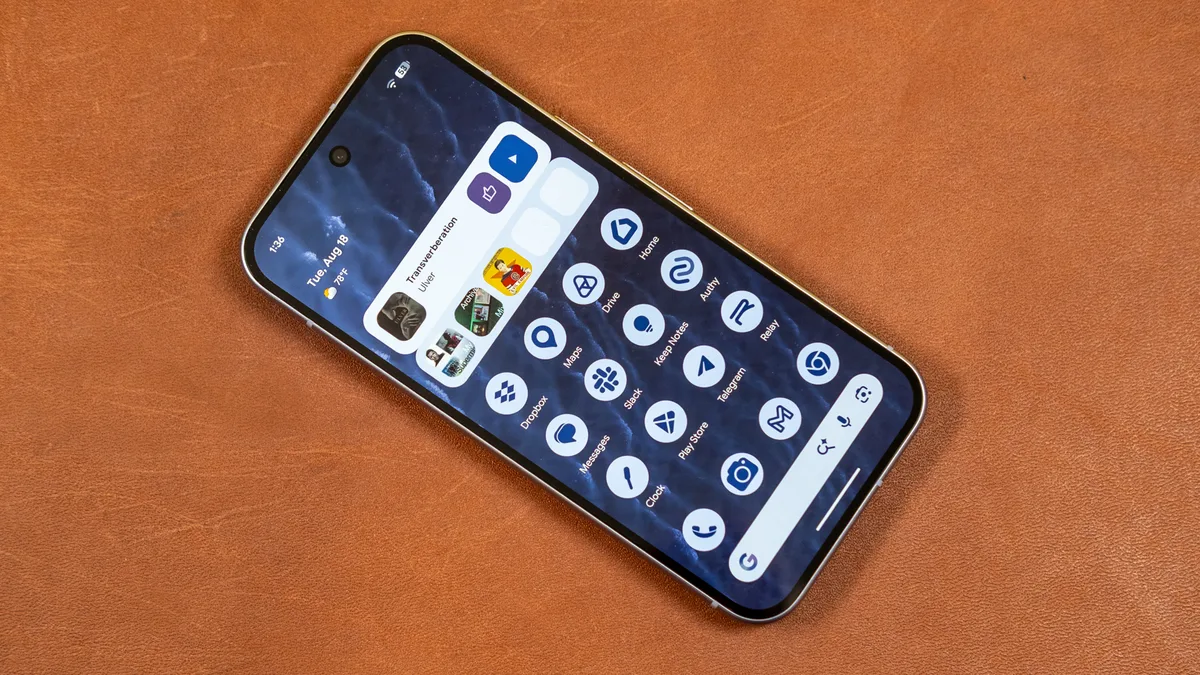
Google introduced its Pixel 11 series in July 2026, releasing three flat phones and one foldable model closely resembling the previous Pixel 10 series in size and design [1, 2, 3, 4].
The updated phones show minimal hardware changes. The base Pixel 11 model is slightly thinner and lighter, with a flatter camera bar to reduce wobble when placed on a table [1, 3, 4, 5]. The Pixel 11 Pro and Pro XL include brighter 3,600-nit displays and faster wired charging alongside Qi2.2 wireless charging up to 25W [2, 3].
Camera improvements focus on the Pixel 11 Pro’s 5x optical telephoto lens, which now has a larger sensor that allows 30% more light intake than last year’s models [2, 3]. The Pro series starts with 256GB of storage, double the base storage of the Pixel 10 Pro, but comes with less RAM—12GB compared to 16GB on the Pixel 10 Pro [2, 3].
Design and durability features remain much the same, with Gorilla Glass Victus 2 protection and IP68 dust and water resistance maintained across the series [1, 3]. The flat Pixel 11 models sold in the US continue as eSIM-only devices, while international versions and the foldable phones keep physical SIM slots [1].
Google added AI-powered software features to the Pixel 11 Pro, including Rambler, an AI dictation tool, Magic Capture, and Camera Looks, aiming to enhance usability and reduce screen time. However, some features like HiLight and Proactive Assistance require specific conditions and have drawn mixed reviews [2, 3, 5]. The Verge’s reviewer noted the Pixel 11 Pro is "A Phone Designed to Help You Use It Less," reflecting Google’s focus on AI-driven user experience [2].
Pricing for the Pixel 11 base model starts at $899, $100 more than last year’s Pixel 10, while the Pixel 11 Pro begins at $1,099, also reflecting a similar price increase [3, 4].
Following the official announcement on July 1, 2026, early August reviews largely praised the incremental hardware upgrades and new AI features while noting some software limitations and a higher price point [1, 2, 3, 4, 5].