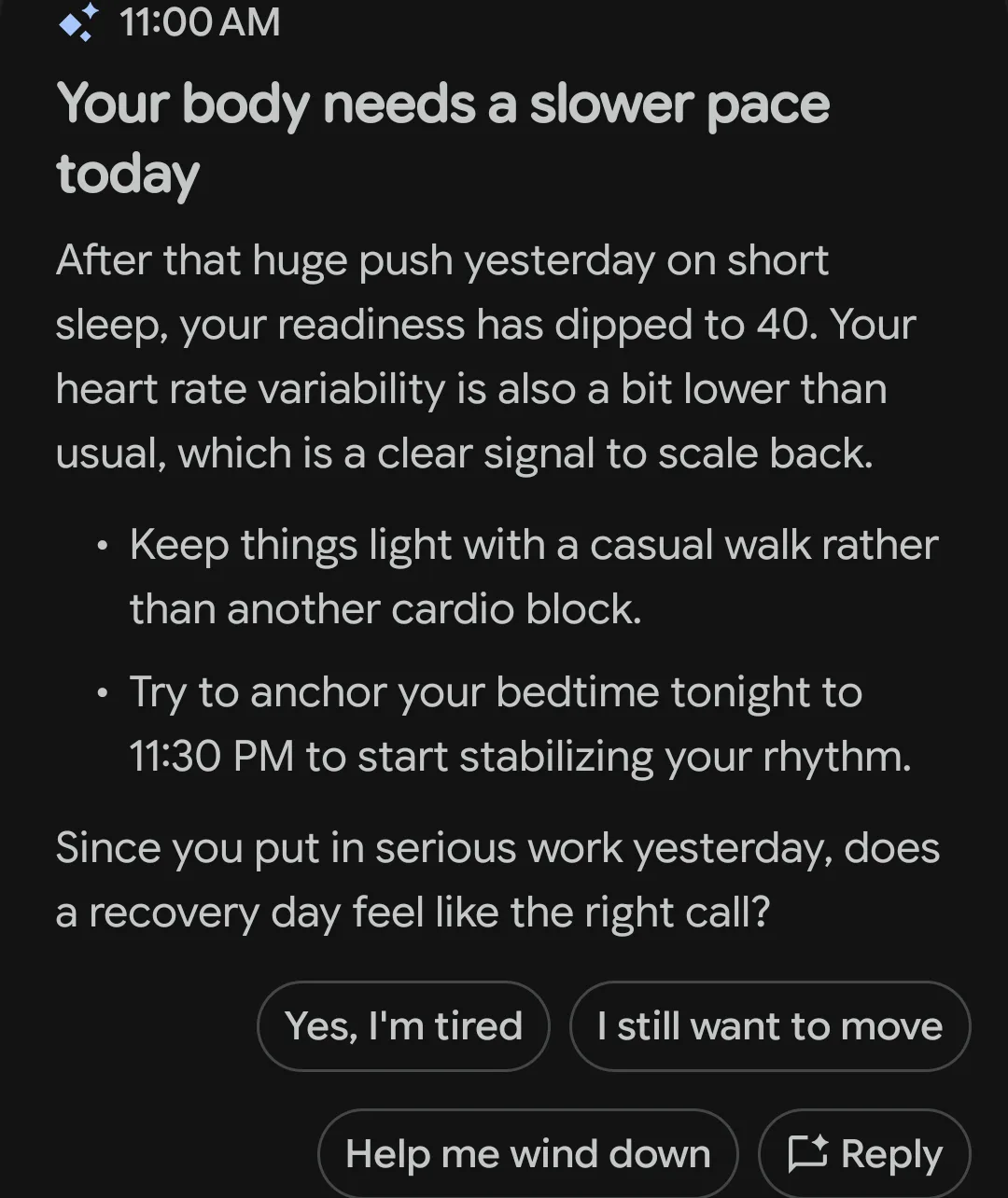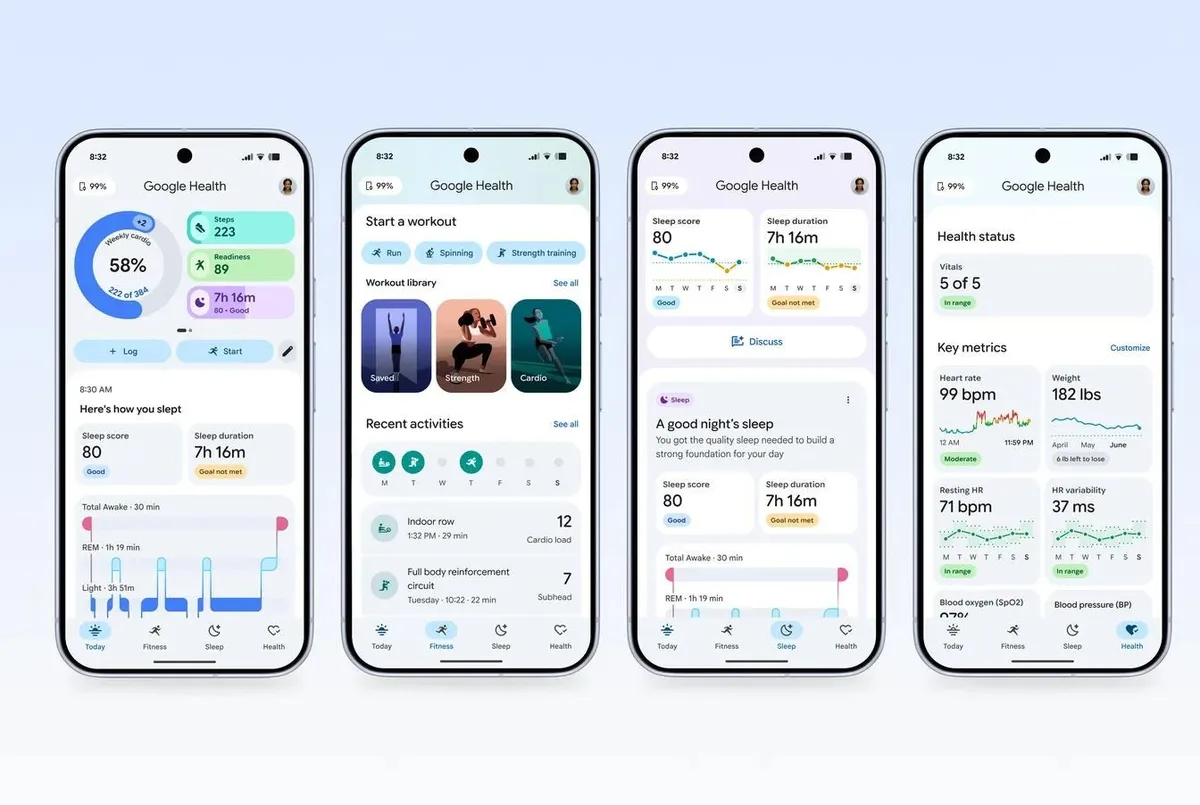
Google officially replaced the Fitbit app with the Google Health app for all users on May 26, 2026, following months of beta testing [1, 2]. The new app features an AI coach and a redesigned user interface, but many users find it confusing and frustrating [1, 2].
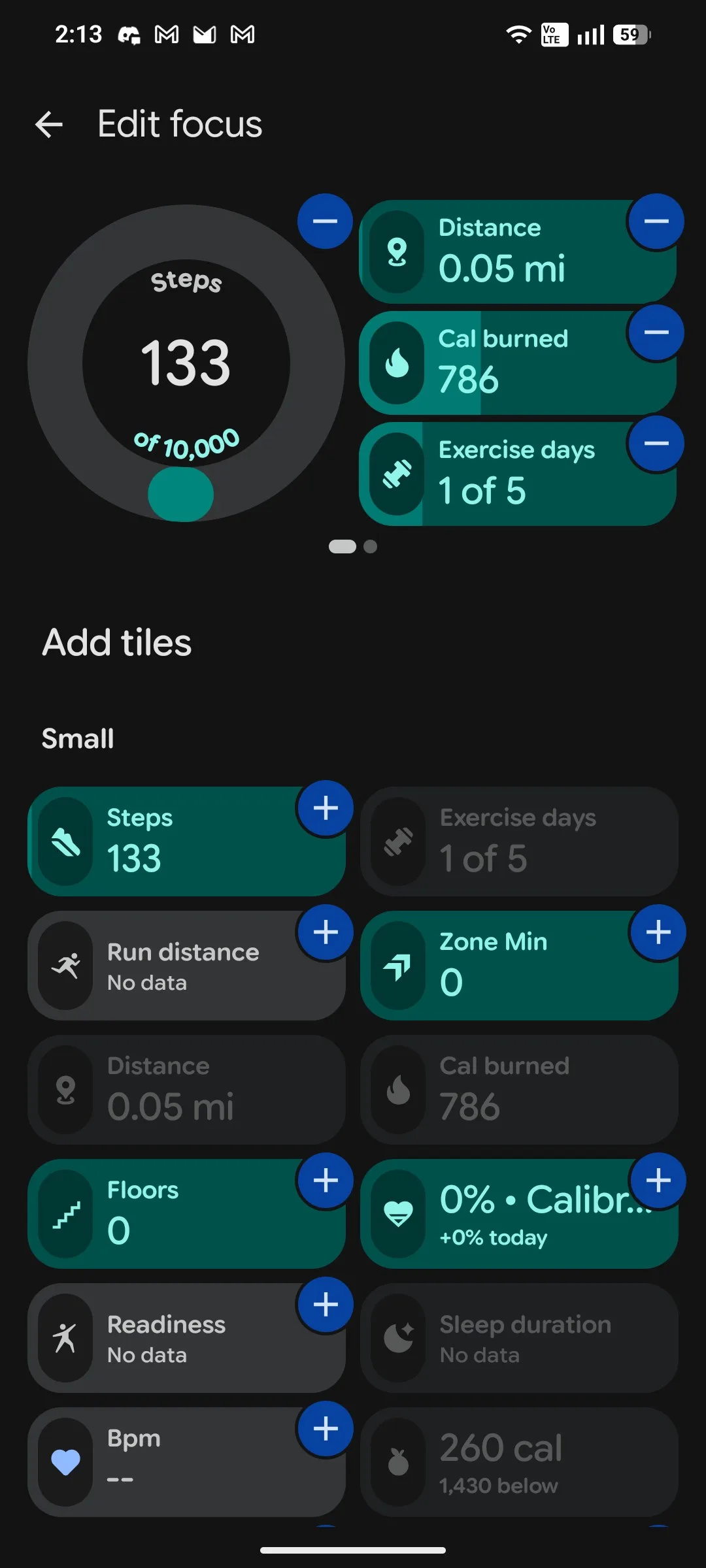
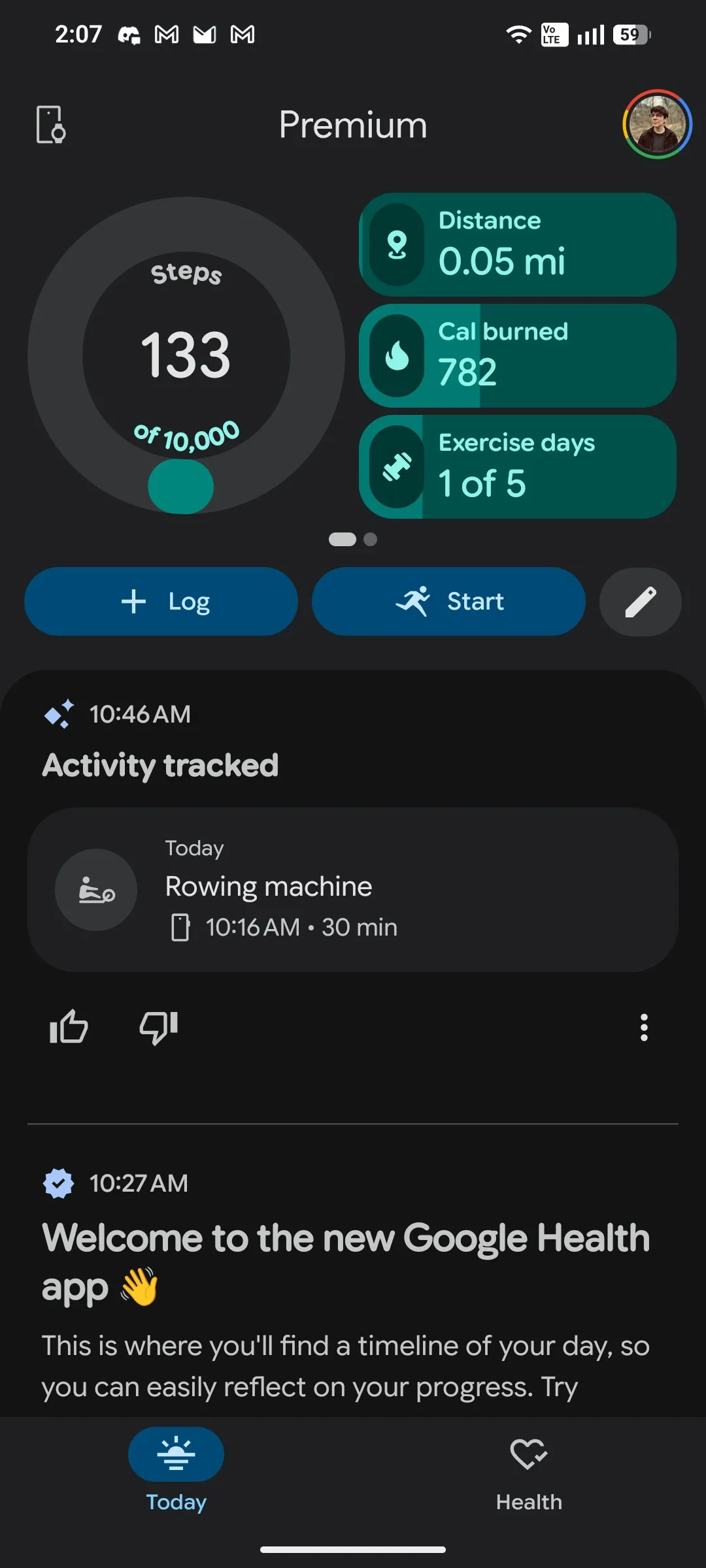
Users have reported missing features, buggy and inaccurate tracking of sleep and workouts, and that the AI coach interface dominates the app’s usability. A Reddit user said, "I can’t even completely fill up my home screen. They only have 2 large tiles available and I can’t just scroll down to see everything" [1]. Another user posted a 1-star review on the Google Play Store complaining, "Why is the biggest button on the screen for AI questions? You’re a fitness app; the biggest button should be to add an activity. Stay in that lane" [2].
Many Google Health users have expressed frustration with the app's performance. One said, "This app is a huge disappointment and a total time drain to get minimal results. How can I get back to using what worked?!" [1]. The app has seen a surge in one-star reviews across app stores due to these issues [2].
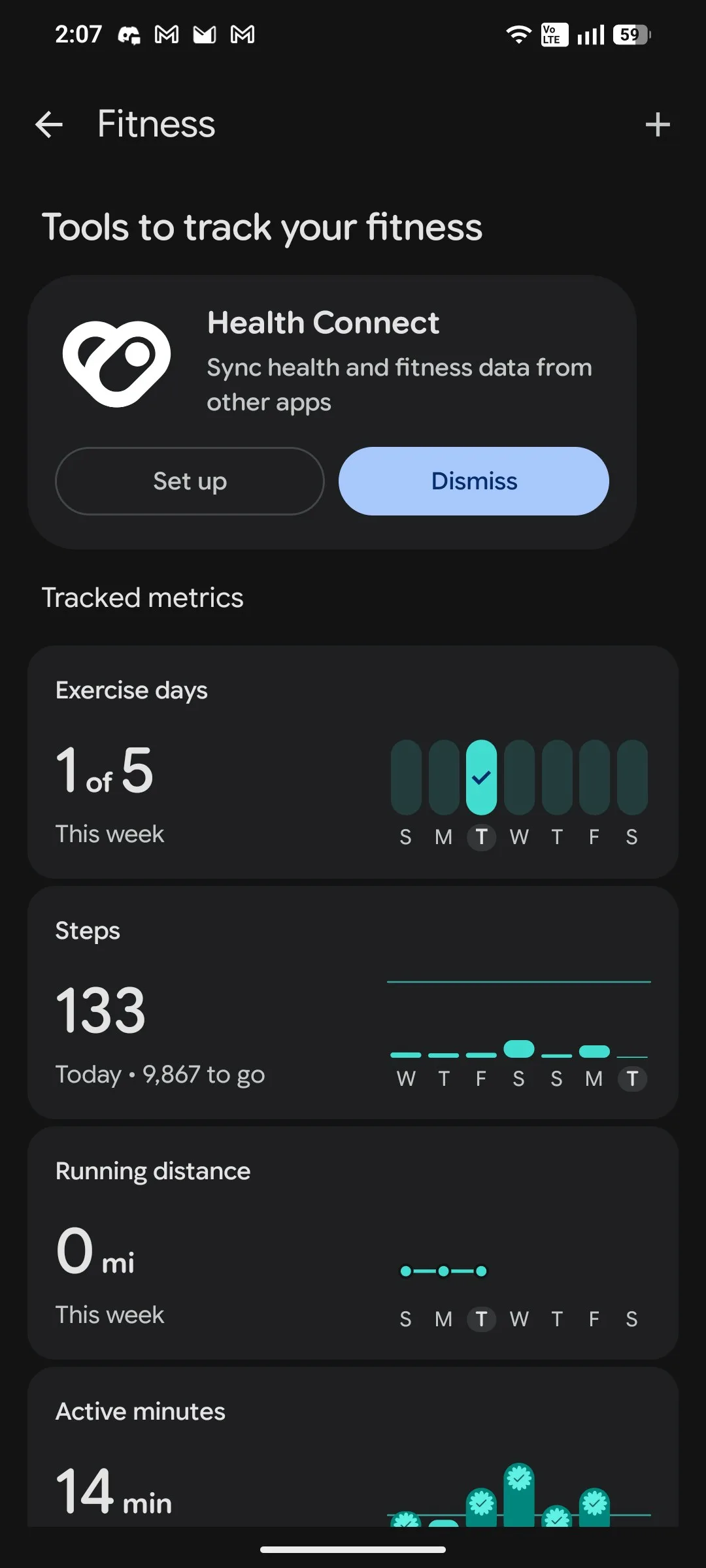
Google has acknowledged user complaints and announced a roadmap of updates. Starting the week of August 16, 2026, the company plans to roll out improvements including more concise AI coach messages, additional charts, run summaries with splits, and enhanced intent detection for AI responses [3]. They will also improve customization options on the Today dashboard to better meet user needs [3].
Additionally, Google is working on better child account management features to facilitate family account migrations, with plans to enable deletion of child accounts by June 2026 [3].
The updates beginning this week mark Google’s first major response to widespread criticism since the transition from Fitbit to Google Health earlier this year.