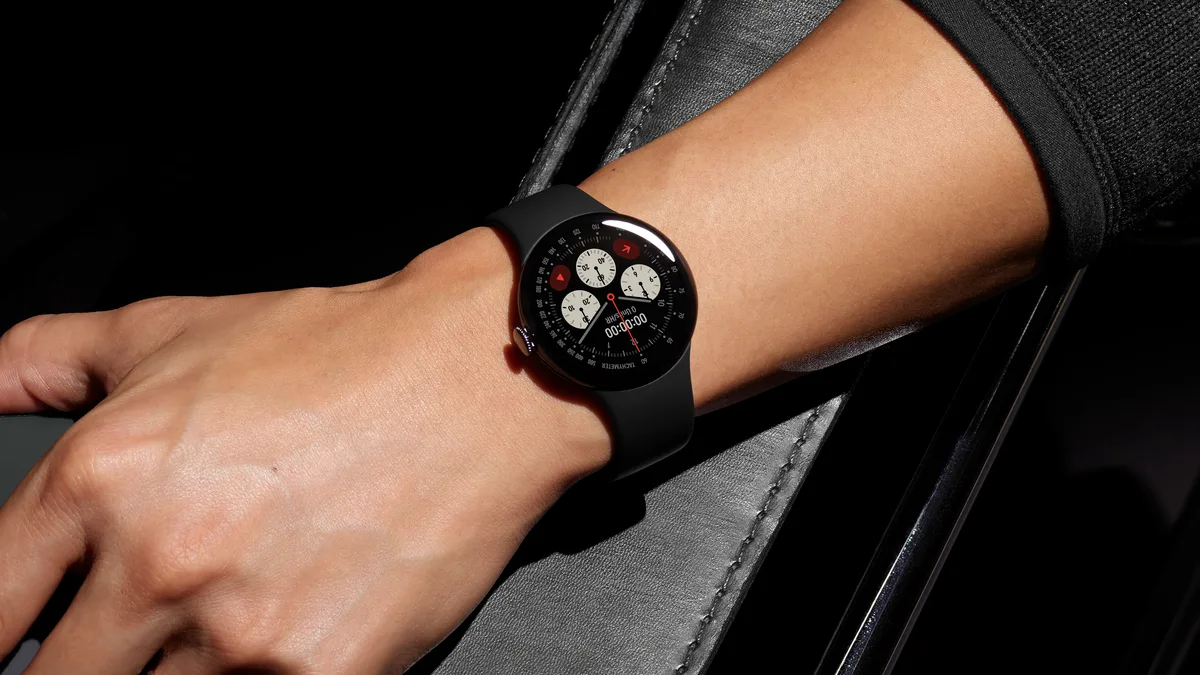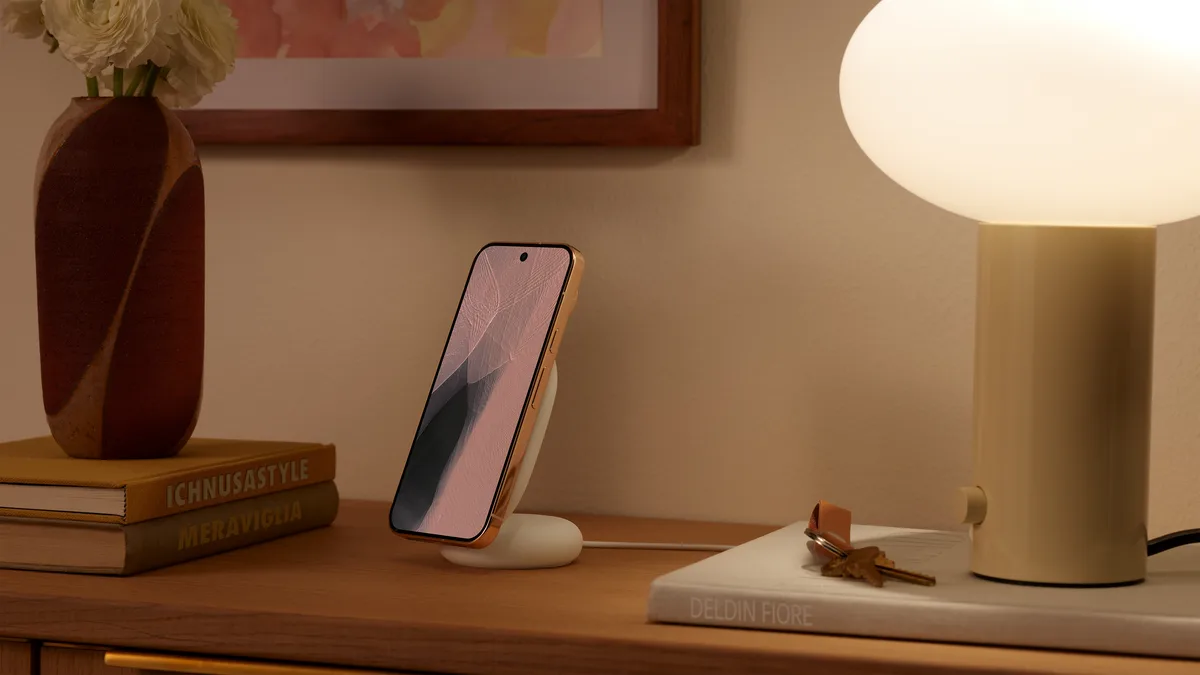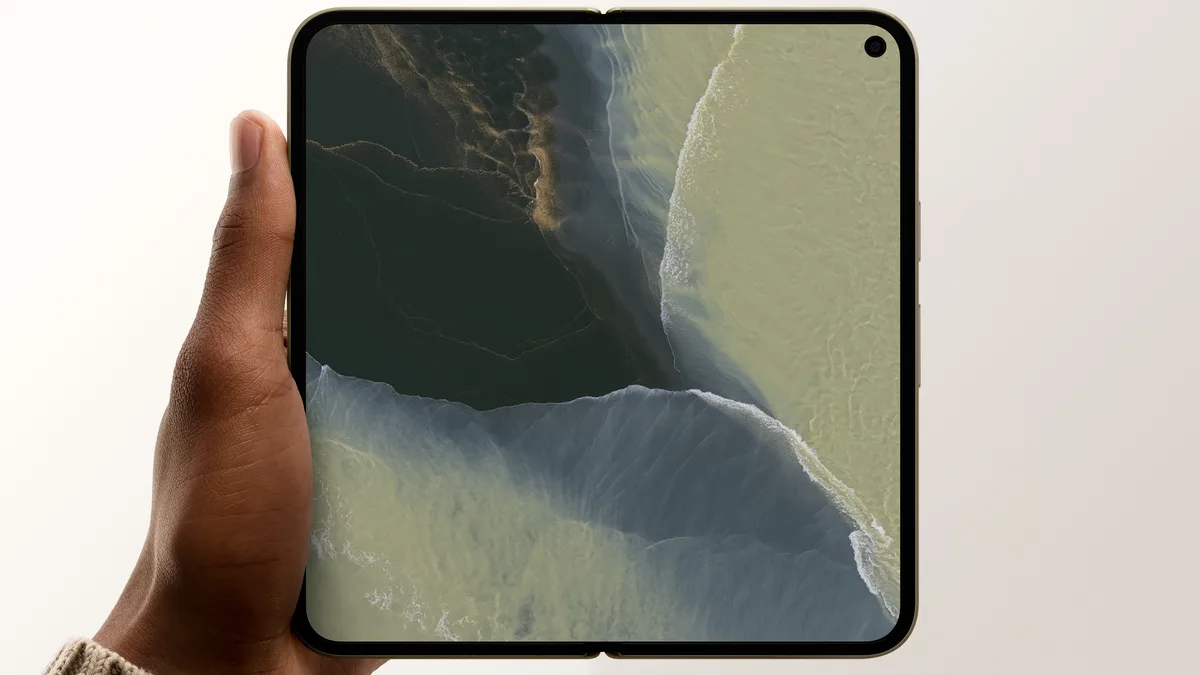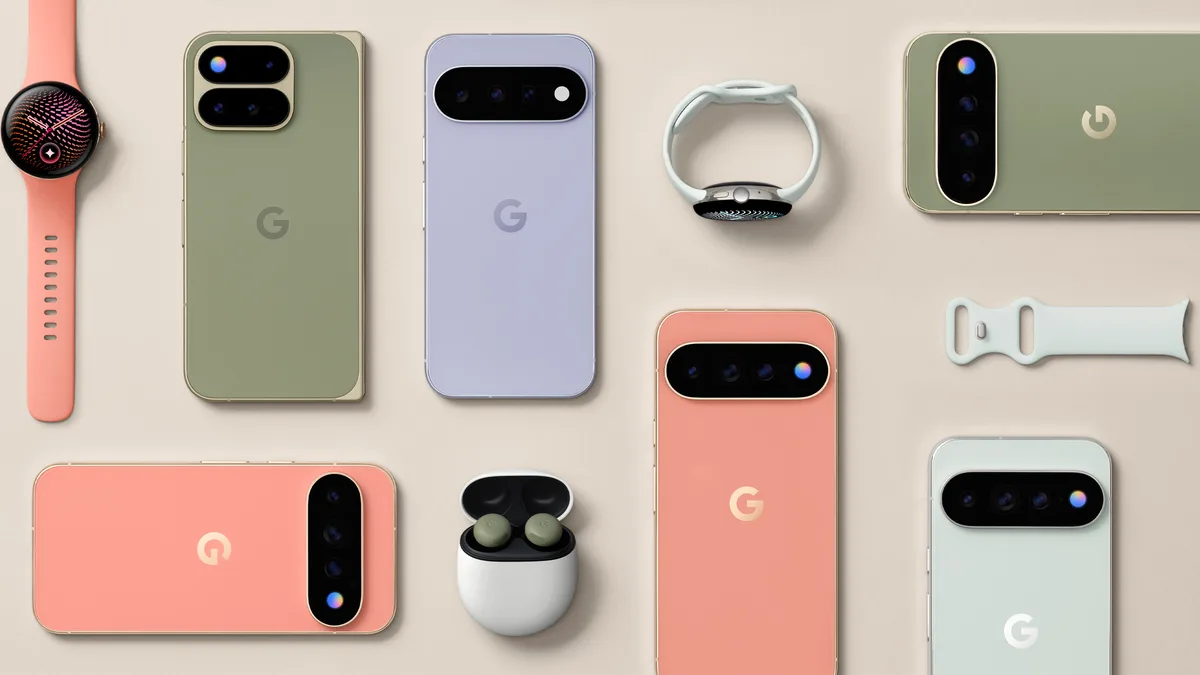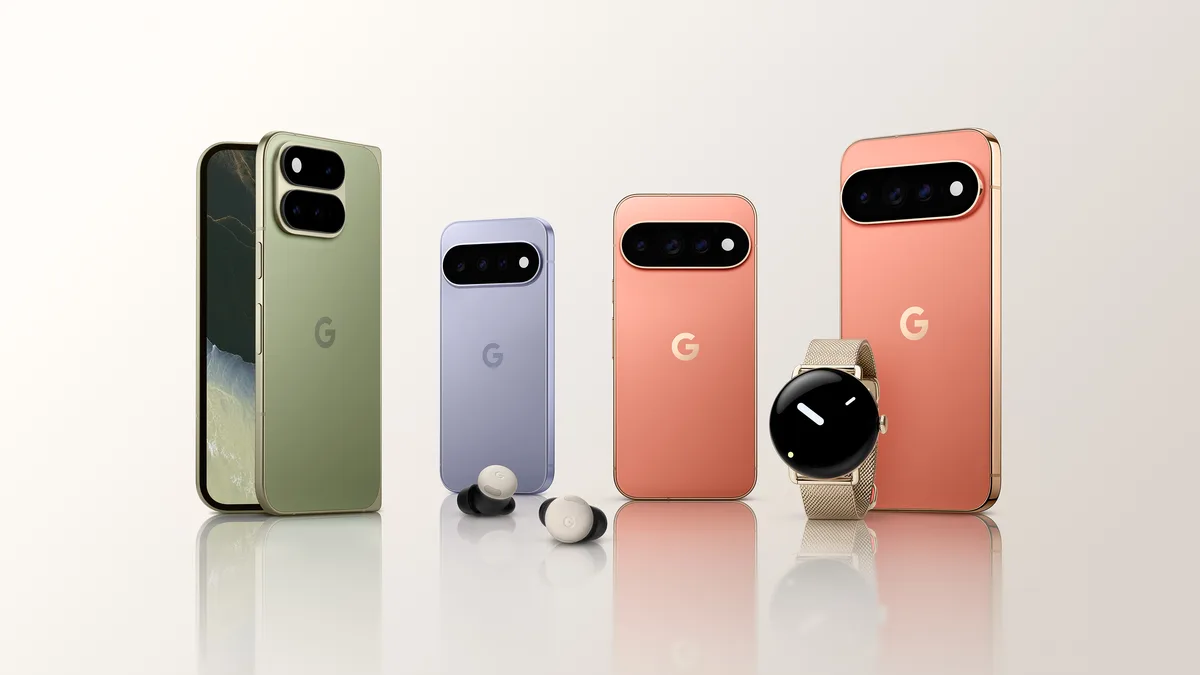
Google unveiled its Pixel 11 smartphone lineup on August 12, 2026, including the Pixel 11, Pixel 11 Pro, Pixel 11 Pro XL, and Pixel 11 Pro Fold, at the Made by Google event in New York City hosted by Trevor Noah [1, 2, 3]. The new series features the Tensor G6 chipset, built on a 2nm process by TSMC, which is faster and more power efficient than its predecessor [4, 5, 6, 7]. The Pixel 11 Pro XL offers a 6.8-inch LTPO OLED display with a 2992×1344 resolution, refresh rates from 1Hz to 120Hz, and peak brightness reaching 3600 nits [7]. It is powered by a 7-core CPU (1 ultra, 4 performance, 2 efficiency) and a PowerVR GPU, along with 12GB or 16GB RAM options and starting at 256GB storage [7]. The Pro XL model also includes a 5115mAh battery supporting 45W wired and Qi2 wireless charging [7].
The Pixel 11 series phones start at $899 for the base model, $1099 for the Pro, and $1299 for the Pro XL, marking a $100 increase from the previous generation [8, 4, 5, 7]. Google removed the 128GB base option, now including 256GB storage across all models [8, 4, 5]. The redesigned Pixel 11 camera bar is more than 40% thinner and uses an all-glass surface [1, 8, 4]. The smartphones boast a 48MP wide-angle main sensor with improved light sensitivity and a 10.8MP telephoto lens offering 5x optical zoom and up to 30x digital zoom [4, 5, 6, 7]. The Pixel 11 Pro XL further enhances the camera system with 50MP main, 48MP ultra-wide with macro, and 48MP periscope telephoto lenses, enabling up to 120x Super Res zoom [7].
Battery life exceeds 30 hours on a single charge for most Pixel 11 models, with the Fold variant lasting about 24 hours. Wireless charging speeds are 25% faster except on the Fold [4, 6]. The Pro and Pro XL models feature a new notification LED ring called HiLight that illuminates for Gemini AI interactions and select calls [1, 4, 7]. They also include brighter displays with enhanced scratch resistance coatings [1, 4, 9, 7].
Google introduced Gemini AI technology throughout the Pixel 11 lineup, offering users more proactive and agentic assistance with tasks, notifications, and communication. Rick Osterloh, Google's devices chief, said, "Gemini Intelligence is a totally new way to interact with a computer, using agentic capabilities that allow users not only to find out information but to get things done." He added, "For the last 10 to 15 years, not a lot has changed in how you use laptops and mobile phones. But we think that's about to change dramatically." [2]
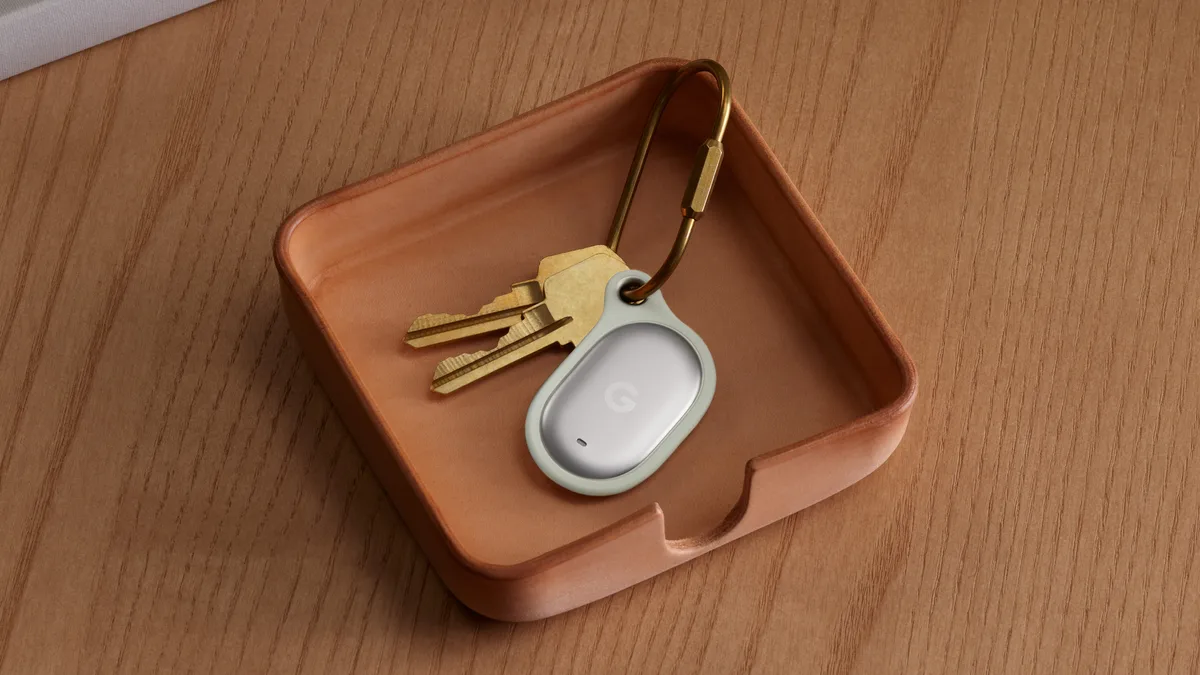
Alongside the Pixel phones, Google launched Pixel Tag, its first in-house Bluetooth tracker to compete with Apple's AirTag [1, 8, 5]. Preorders for the Pixel 11 series opened immediately following the announcement on August 12 [1, 5]. The official retail release for the Pixel 11 devices and Pixel Watch 5 is scheduled for August 20, 2026 [4, 5].