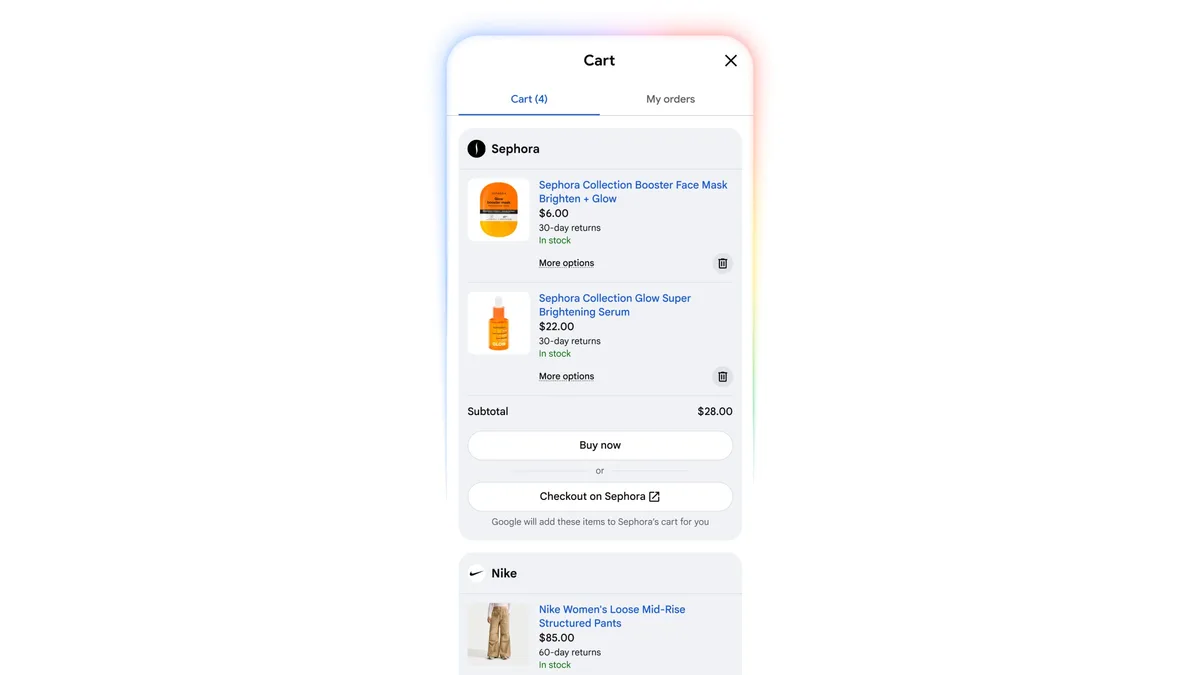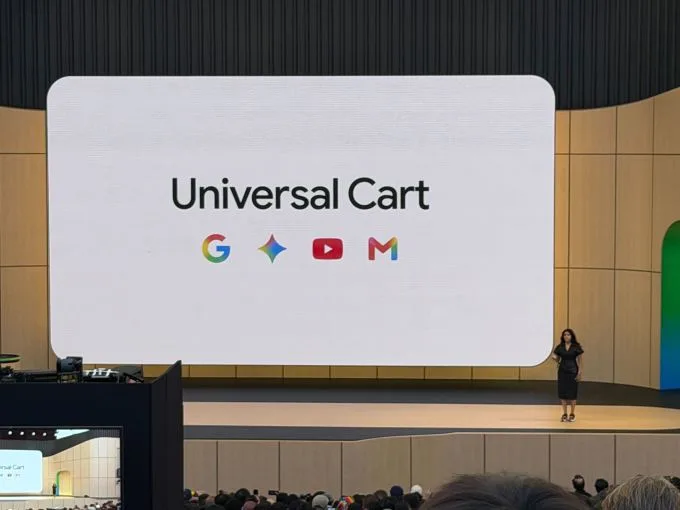
Google unveiled Universal Cart at its Google I/O 2026 event on May 19, launching an AI-powered shopping cart that pulls items from merchants across Google Search, Gemini, YouTube, and Gmail [1, 2, 3]. The tool aims to simplify online shopping by allowing users to gather products from multiple stores into a single cart accessible across Google platforms [1].
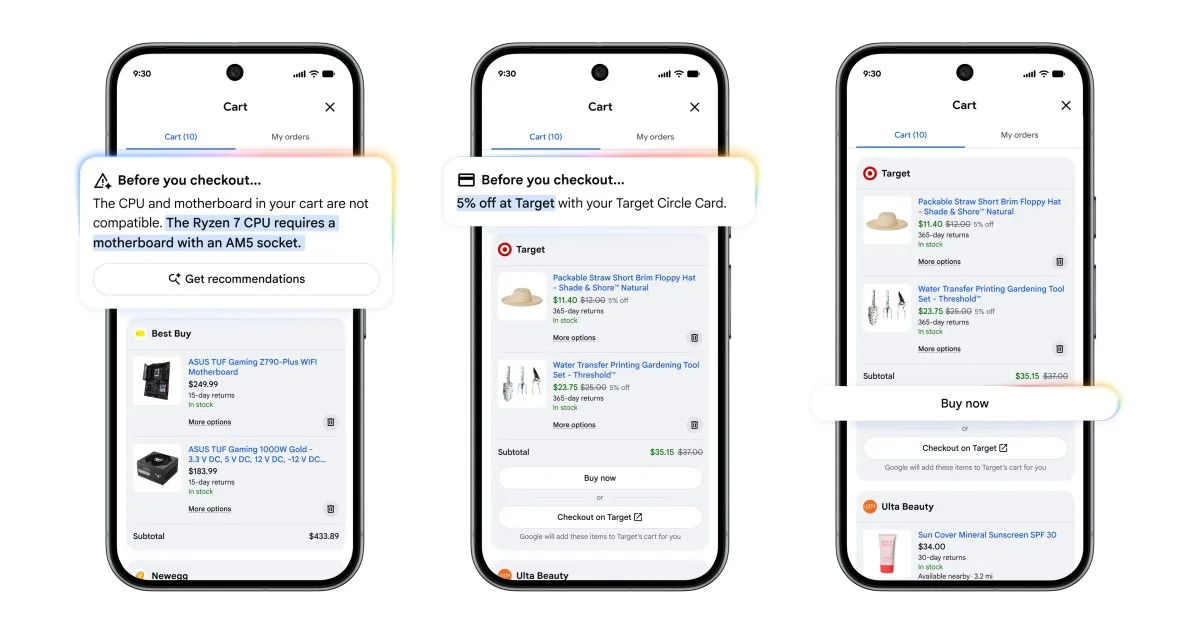
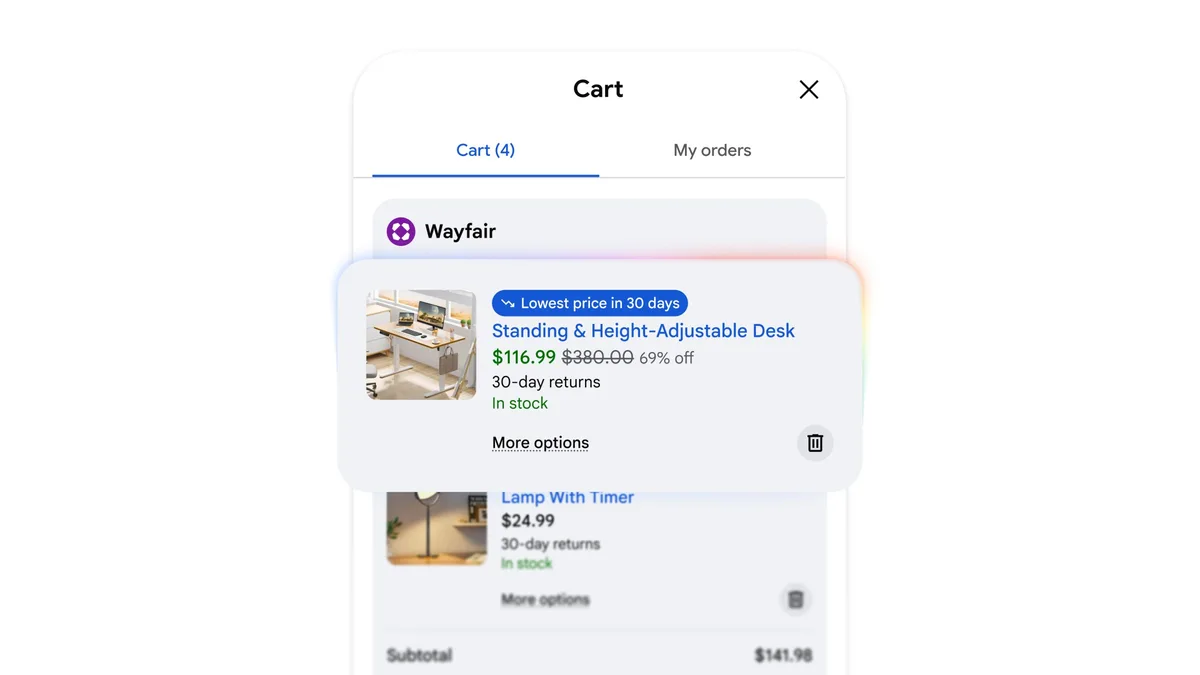
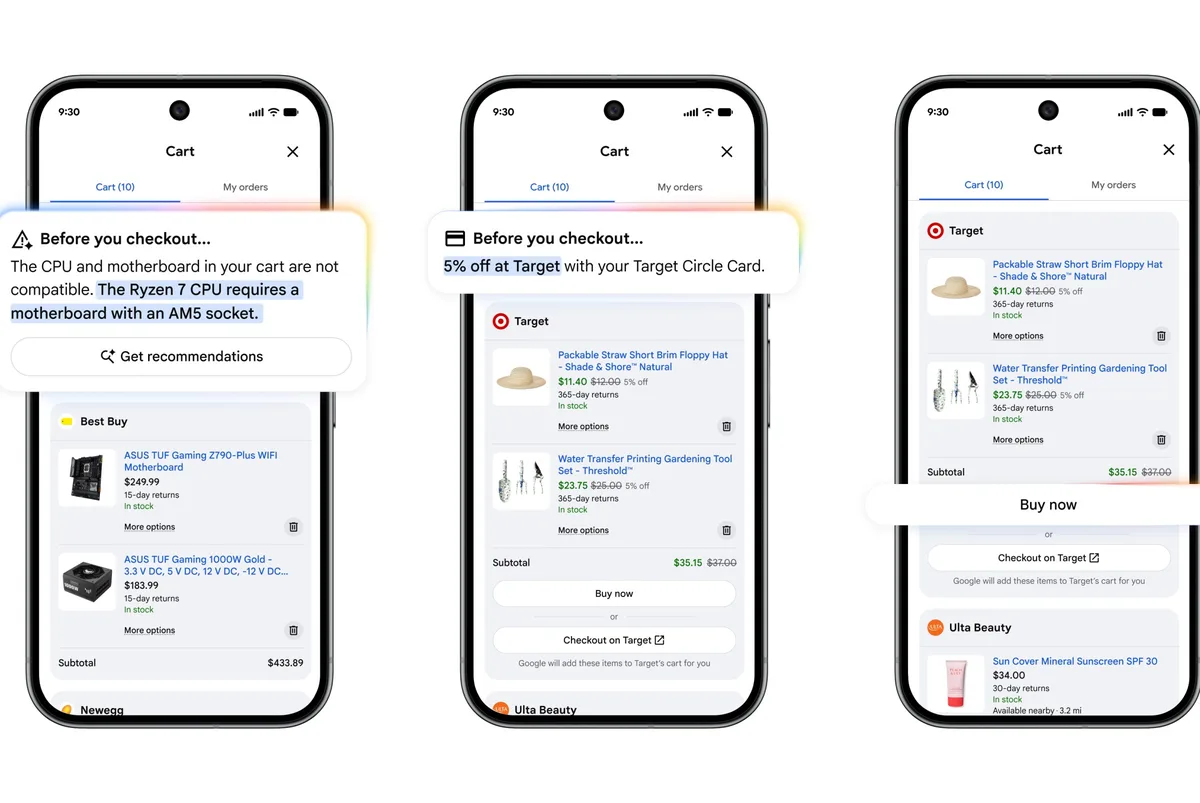
Universal Cart monitors price drops, restocks, and deals while providing users with price history information and inventory alerts [1, 2, 3]. It also features AI that detects potential purchase issues such as incompatibility among products—like PC components—and can suggest alternative items to improve decisions [2, 3].
The service integrates with Google Wallet to optimize payment options, loyalty points, merchant offers, and rewards that help shoppers save money [2, 4]. Users can complete checkouts directly through Google with participating merchants or send items to merchant websites to finalize purchases [1, 2].
Universal Cart includes agentic AI assistants that autonomously track prices, discover deals, and aid payment processes, using the Gemini AI model which Google says will improve over time [1, 2, 5]. At launch, the tool will be available on Google Search and the Gemini app in the United States during summer 2026, with YouTube and Gmail integrations planned by late 2026 [2, 3, 6, 7].
Google is expanding its Universal Commerce Protocol, which underpins Universal Cart, into new verticals like hotels and food delivery as well as to international markets including Canada, Australia, and later the UK [2, 3].
Vidhya Srinivasan, Google’s VP of Ads and Commerce, said, “People shop across Google more than a billion times a day, powered by advanced AI and the Shopping Graph—the world’s most comprehensive catalog of over 60 billion product listings” [4]. She added that Universal Cart solves the problem of fragmentation by offering a cart available wherever users shop on Google properties [1].
The rollout beginning this summer marks the first step in a wider rollout of AI shopping features within Google's ecosystem and signals increased AI-driven enhancements to e-commerce on its platforms.