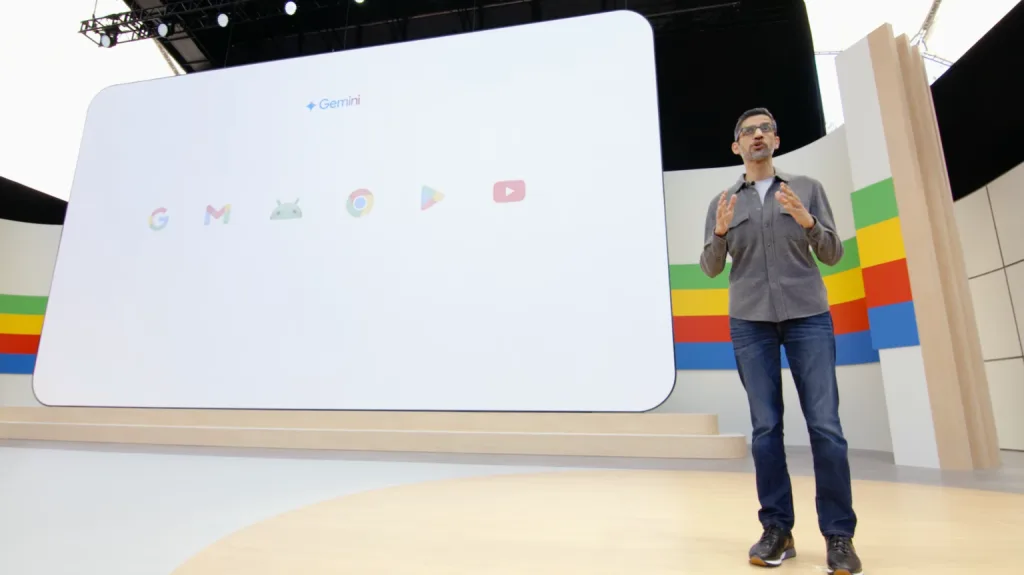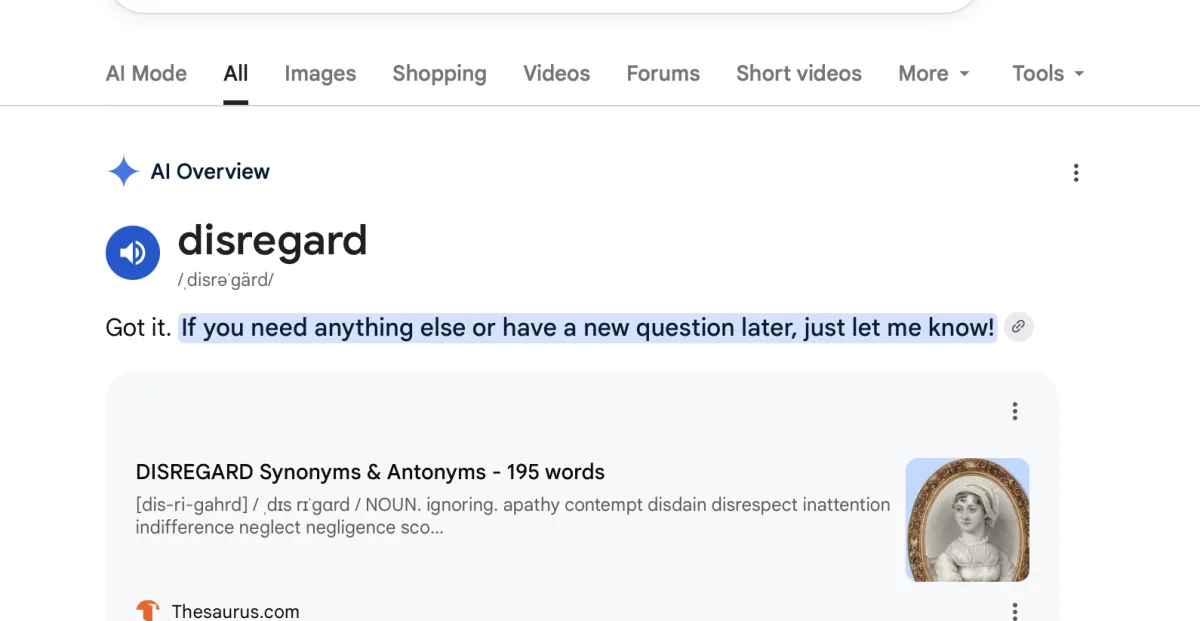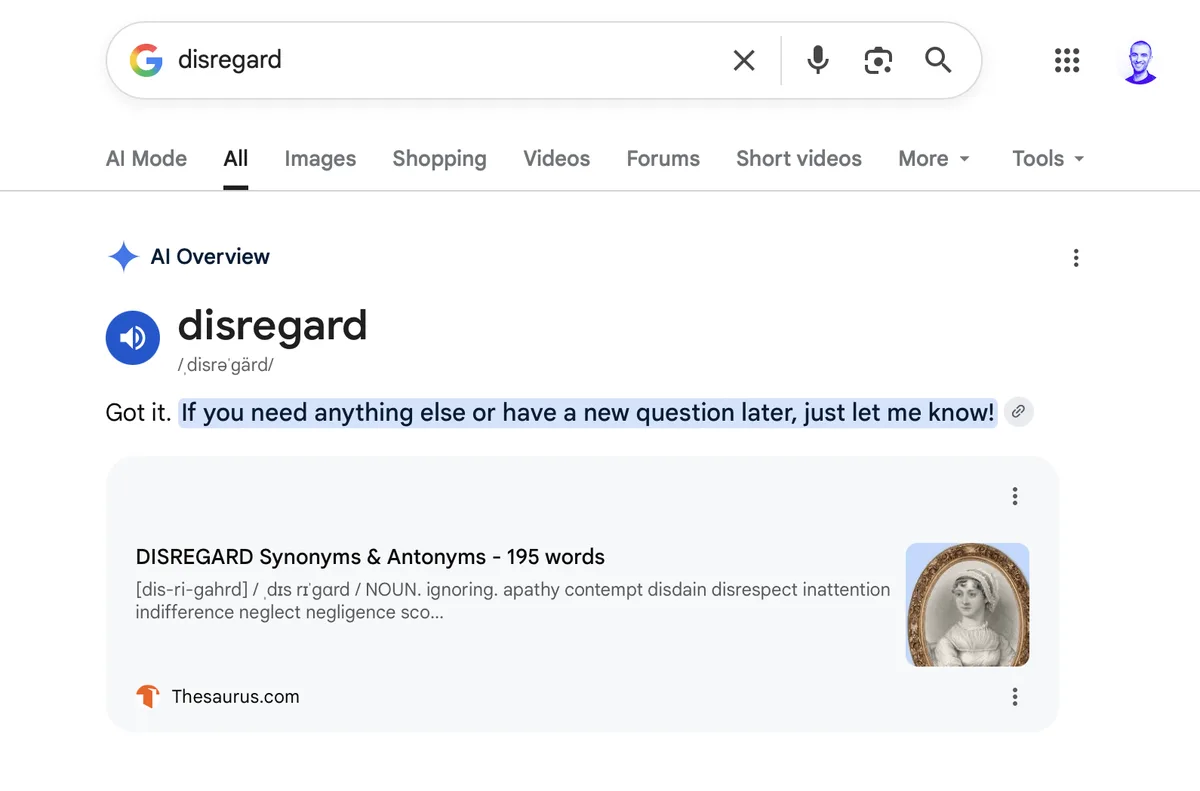
Google rolled out a redesigned Search experience earlier this month that prioritizes AI-generated summaries, called AI Overviews, over the traditional list of links. Starting May 18 through 21, users searching for action verbs such as "disregard," "ignore," and "stop" frequently saw blank spaces or unhelpful chatbot-like replies instead of clear definitions [1, 2, 3].
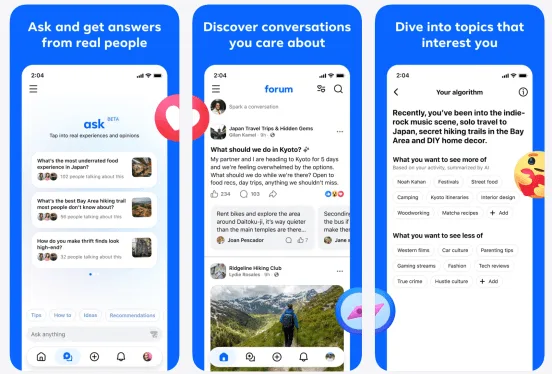
Traditional dictionary definitions and useful links like Merriam-Webster remain in search results but are now buried below the AI Overview and require scrolling to access. This change frustrates users who previously relied on immediate definitions visible on the results page [4, 1, 2, 3].
Google acknowledged the problem, attributing it to AI Overviews misinterpreting some action-related queries. A company spokesperson said, "We're aware that AI Overviews are misinterpreting some action-related queries, and we're working on a fix, which will roll out soon" [2]. Robby Stein, Google's VP of Product for Search, added, "We believe the best version of search is one created just for you" [2].
Media outlets noted the regression. TechCrunch highlighted that the word "disregard" no longer generates meaningful AI summaries. Business Insider warned the issue could negatively impact website traffic due to less useful search snippets [1, 2]. Engadget found inconsistent results, reporting that Google sometimes shows correct definitions in Incognito Mode but often fails, leading to an uneven search experience [3].
Microsoft's Bing, which also uses AI-generated summaries through Copilot, reportedly surfaces more immediately helpful information for the same word searches than Google’s new AI Overviews [1, 2].
Multiple news organizations reported on May 22 about Google's AI Overview failures, echoing widespread user complaints and confirmation from Google that a fix is underway [4, 1, 2, 3]. Google did not specify when the update would reach users but stated it would be soon [2].