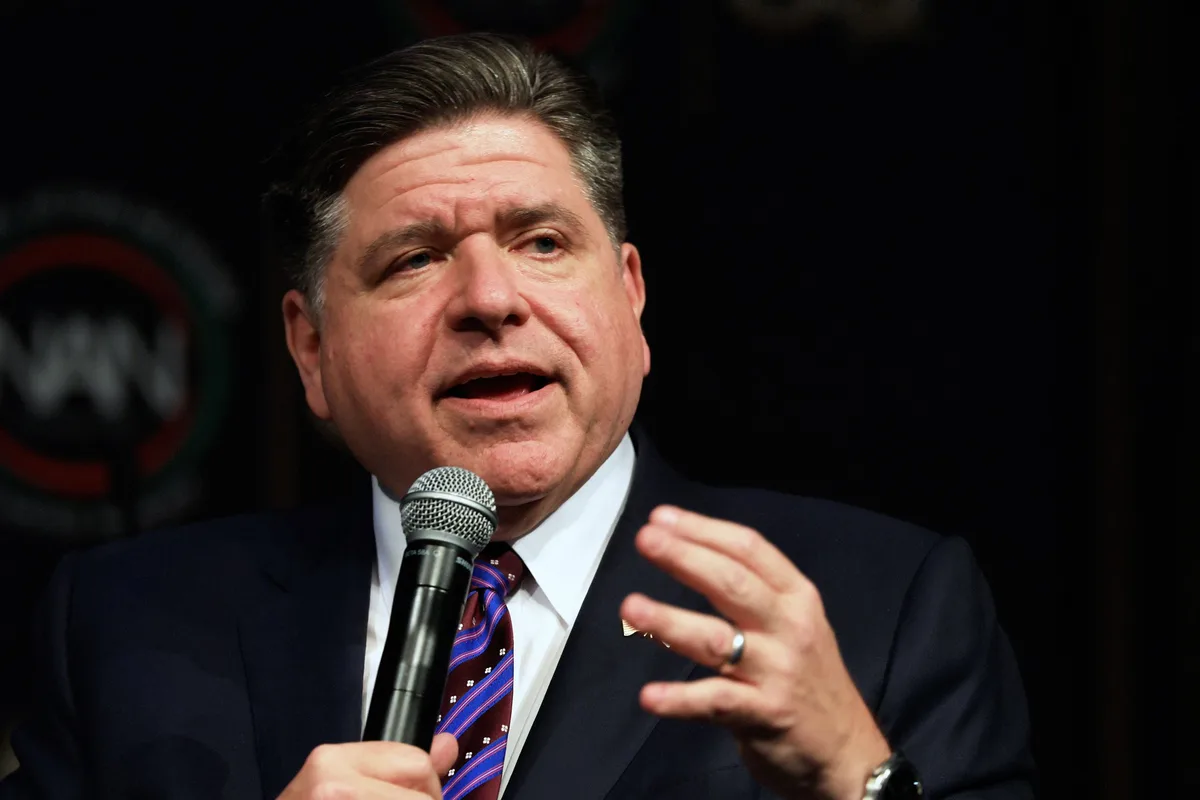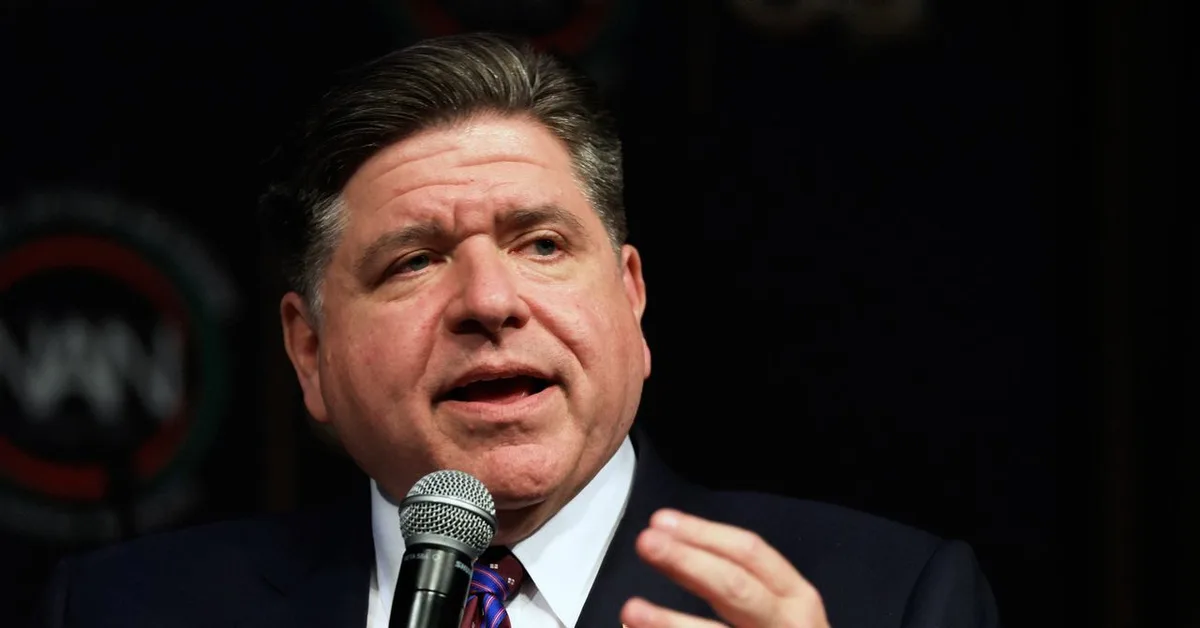
Illinois lawmakers passed SB 315 on May 13, 2026, establishing one of the nation's strongest AI safety frameworks for large AI companies [1, 2]. The bill requires firms to file public safety plans and submit annual reports detailing independent third-party safety tests on frontier AI models. Governor J.B. Pritzker announced his intent to sign the bill into law the same day, emphasizing that "Illinois is leading the nation in holding Big Tech accountable" [1, 2].
The legislation mandates AI firms to report critical safety incidents within 72 hours to the state. Reports must be filed within 24 hours if there is an imminent risk of death or serious physical harm. Employees of AI companies also gain whistleblower protections under the new law to disclose emerging safety risks [1].
SB 315 goes further than laws in California and New York by requiring independent third-party audits to verify AI labs follow their own safety commitments. Scott Wisor, policy director at the Secure AI Project, said the bill would "require an independent auditor to check whether the AI labs in fact adhere to their safety commitments" [2]. Potential auditors include major accounting firms like Deloitte, EY, KPMG, and PwC or members of the AI Evaluator Forum such as METR, Transluce, and AVERI [2].
Major AI companies including OpenAI and Anthropic have publicly supported SB 315, viewing it as consistent with their existing safety protocols and helpful in establishing a baseline regulatory standard. OpenAI’s chief of global affairs Chris Lehane said the company is advocating for similar laws in other states to avoid a patchwork of differing rules [1, 2].
Some observers note the law may pose challenges for smaller AI firms, potentially benefiting larger companies better equipped to meet stricter regulatory requirements [1]. Illinois state legislator Daniel Didech said state governments are playing a key role in shaping U.S. AI policy as Congress continues deliberations [2].
The bill’s passage follows President Trump’s cancellation of a federal plan to vet frontier AI models in May 2026, increasing the importance of state-level AI safety efforts [1]. SB 315’s implementation timeline and the governor’s signature are expected in the weeks ahead, making Illinois one of the first states to enforce rigorous AI safety oversight.