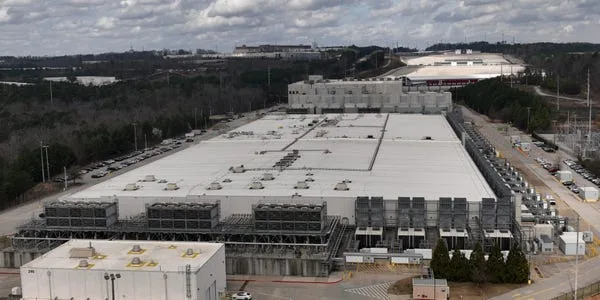
Kevin O’Leary has agreed to cut the size of his planned Utah AI data center, known as Project Stratos, from 40,000 acres to approximately 20,000 acres, roughly half of the original proposal [1, 2]. Despite the reduction, the project will still cover an area larger than Manhattan [1, 2].
The original data center was expected to require between 7.5 and 9 gigawatts of power, making it one of the largest of its kind in the United States [3, 2]. O’Leary said he plans to preserve the majority of the remaining land as open space after downsizing [1, 2].
The decision follows increasing pressure from Utah state officials and local critics concerned about the project's scale, water usage, energy consumption, air quality impact, and effect on the surrounding rural character [1, 3, 2]. Utah Senate President J. Stuart Adams sent a letter on June 22 demanding the project be cut by 75%, to about 10,000 acres, and calling for the use of water-saving technologies, water diversion to the Great Salt Lake, and stronger environmental and public transparency measures [3].
O’Leary initially rejected the call for such a deep cut, saying, "This is not the deal I had with Adams. That's not what we agreed to. Cutting back the deal 75% is like me selling you a house, and you get to live in the upstairs toilet" [3]. However, he later agreed to reduce the project size by half in response to backlash and state demands [1, 2]. Adams called O’Leary’s reduction a "positive step forward" [2].
Shortly before O’Leary's announcement, Utah Governor Spencer Cox signed an executive order imposing stricter standards for data center development in the state. The order sets higher bars on water use, air quality, wildlife protection, and quality of life factors, signaling the state's intent to regulate such large-scale projects more closely [3].
No final permits or approvals have been applied for or issued yet. The project still requires environmental reviews, permitting, and written commitments before construction can proceed [2].
O’Leary’s concession follows a clear timeline: Adams demanded cuts on June 22, Governor Cox issued new regulations shortly before June 26, and O’Leary agreed to halve the project size on June 26 [1, 3, 2]. The next steps involve regulatory review and obtaining necessary approvals before Project Stratos can move forward.