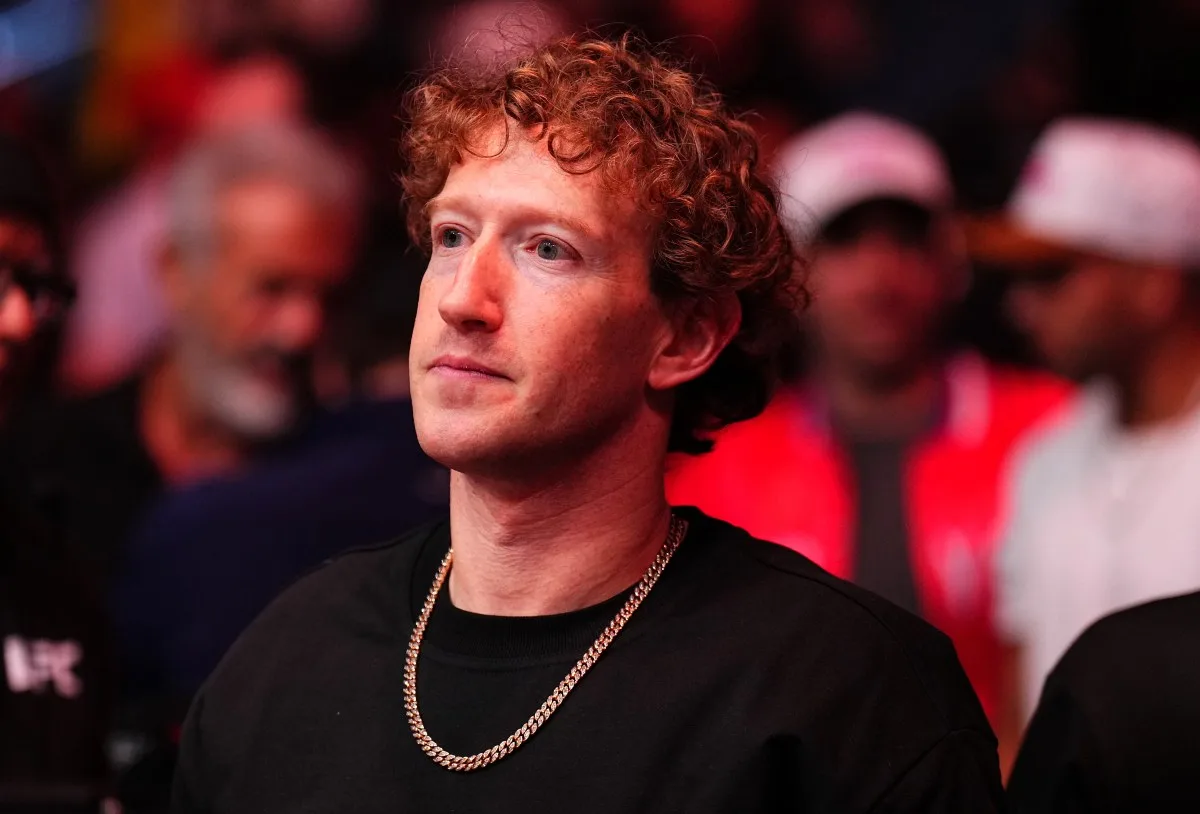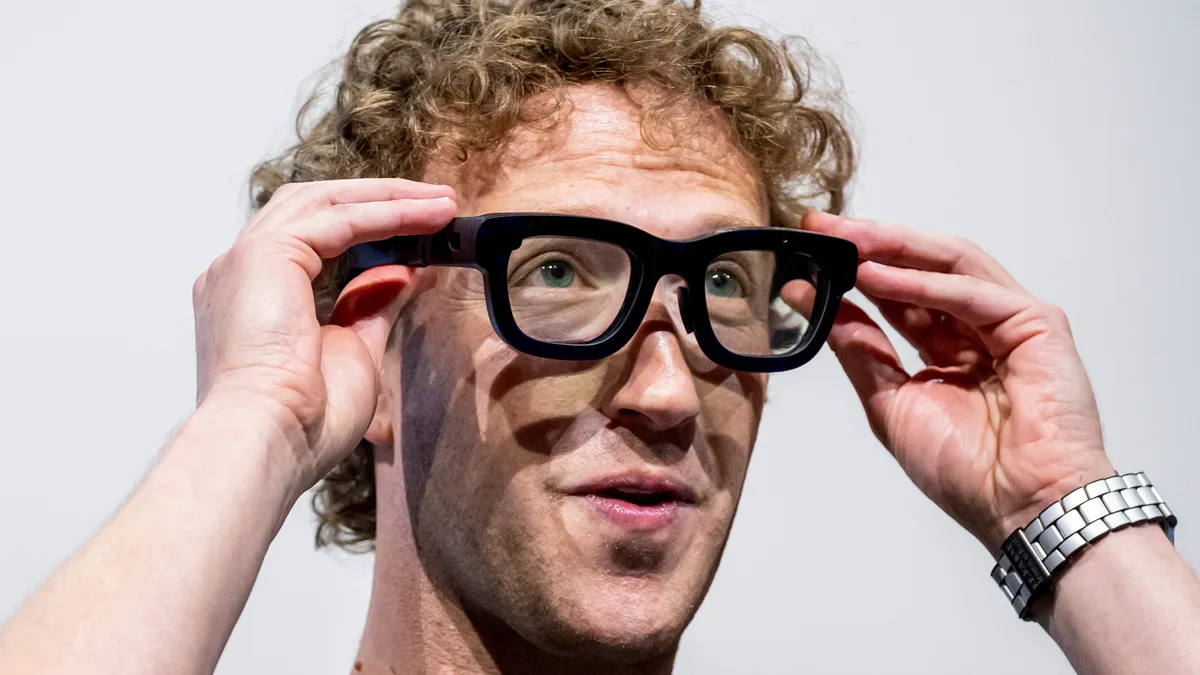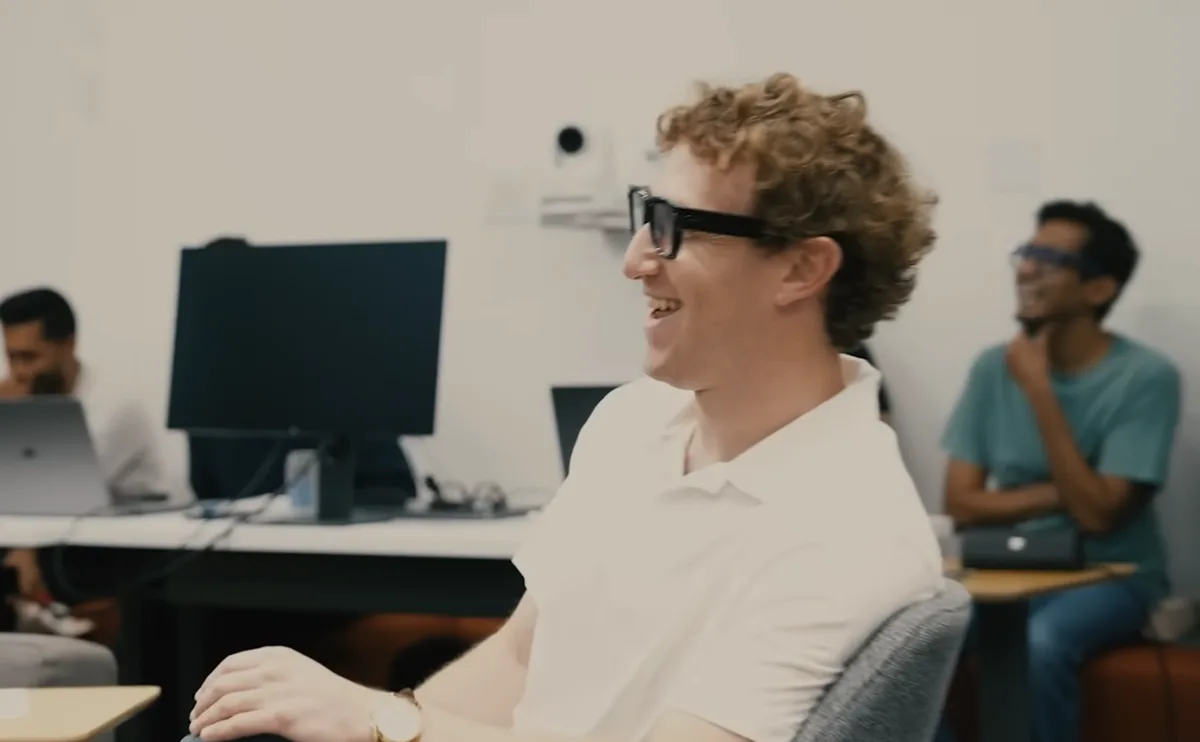
On August 10, 2026, Meta CEO Mark Zuckerberg published a 6,500-word manifesto titled "The Future is for Everyone: The Path to a Positive AI Future," outlining his vision for widely distributed personal AI superintelligence [1, 2, 3, 4, 5, 6, 7]. Zuckerberg argued that AI should be decentralized and given directly to individuals rather than concentrated in governments, companies, or institutions. "Most other [AI] labs are focused on building AI for companies, governments, or other institutions, so if those labs lead, then the balance of power will favor larger institutions over individuals," he said [3].
Zuckerberg emphasized three core principles to shape the future of AI: individual empowerment as the source of prosperity, invention as the purpose of superintelligence, and balance of power as the foundation of safety. He stated, "The key to a positive future for everyone is achieving a balance of power that favors individuals," and called for distributing superintelligence widely to give every person control over it [5, 7].
In conjunction with the manifesto, Meta launched a new open-weight AI model called Muse Glimmer. This model has 30 billion parameters and is designed to operate without internet connections on consumer laptops with relatively low compute requirements. Being open-weight, users can download and modify Muse Glimmer freely [4, 5, 7]. Zuckerberg envisions personal AI agents running continuously to assist users in daily tasks, health, finances, relationships, and hobbies [4].
Meta plans to return to releasing some open-source AI models to prevent concentrated technological power, part of a broader strategy tied to its $145 billion spending on data centers and AI infrastructure this fiscal year, with projected spending reaching $600 billion by 2028 [3]. Zuckerberg also urged earlier and closer cooperation between AI labs and governments on regulation rather than relying on rigid review timelines [3].
To support communities around its AI data centers, Meta announced a $1 billion Future Is For Everyone Fund [3, 8, 6]. Despite Meta’s platforms serving 3.6 billion users globally, Zuckerberg’s public standing in the U.S. remains low amid critiques linking social media to harm, including a recent $567 million court fine against Meta [1, 5].
A California court jury selection related to a legal case involving Meta and social media harm allegations is scheduled to begin later this month [5].