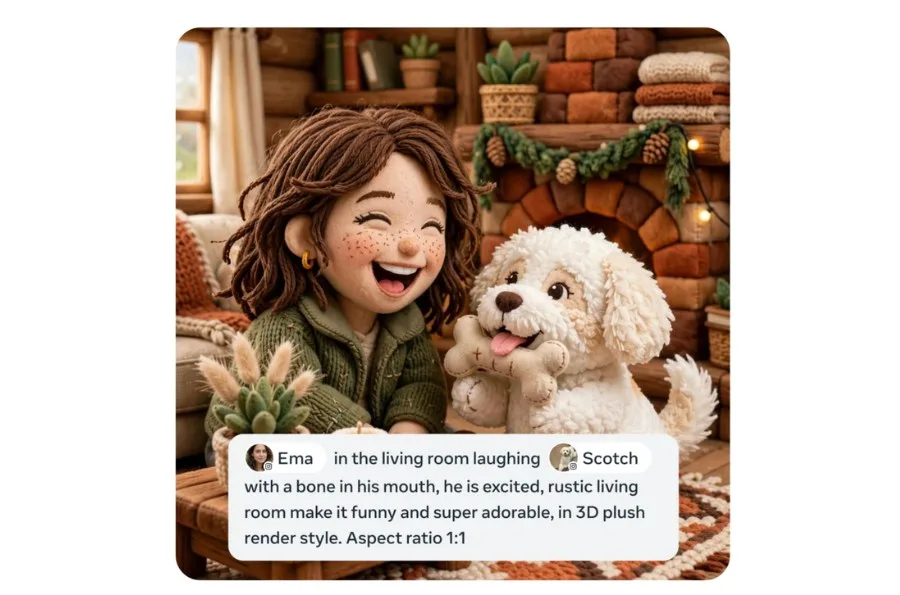
Meta launched Muse Image, an AI image generation tool that allowed users to create AI images by tagging public Instagram accounts and using their content without permission [1, 2, 3, 4, 5]. The feature was announced on Tuesday, August 4, as part of a larger rollout of Meta AI tools [1, 2, 3, 4, 5].
The tool automatically opted in all public Instagram accounts, enabling their content and likeness to be used without explicit consent [2, 3, 5]. This sparked widespread criticism from users, organizations, and talent agencies over privacy, consent, and misuse risks, including concerns about deepfakes, sextortion, and image exploitation [2, 3, 4, 5].
Groups speaking out against the feature included the Hollywood union SAG-AFTRA, agency CAA, human rights group Privacy International, and the National Center on Sexual Exploitation [2, 3, 5]. Haley McNamara of the National Center on Sexual Exploitation condemned the design, saying it "obviously erode[s] our rights to our own likeness" and called it "an obvious tool for #sextortion and other scammers". She added it was "unacceptable" to put the onus on individuals to opt out [3]. CAA stated, "No one's name, image, likeness, voice or creative work should be used by any third party, including AI models, without clear, documented consent" [5].
Meta initially allowed users to opt out by changing their settings but ultimately disabled the Muse Image tagging feature on August 7 due to the backlash [3, 5]. Meta said the feature "missed the mark" and decided to remove it permanently. A Meta spokesperson said, "Our intent was to provide a useful creative tool and to give people control over whether their public content could be referenced in this way. We've heard the feedback that this feature missed the mark, so it's no longer available" [1].
Meta continues to develop other AI tools, including planned AI video tools for Facebook, Messenger, and WhatsApp [1, 2].